Are There Risks To A Vegan Diet?

Last week I nearly went vegan. This is how it happened… I practice yoga. Many yogis are vegan (enlightenment and tempeh are a common pairing). My teacher is my own personal manifestation of Buddha, sent to me to help settle my mind and lengthen my hamstrings. Her poses are bold yet effortless, her tone firm yet compassionate and the dime sized tattoo on the inside of her forearm – understatedly rebellious.

So when she announced she was going vegan, my first reaction was, “Well then sign me up!”, but when I returned to my earthly self, I decided not to.  Though animal products play a supporting role in my diet, they play a critical one.

First off, let’s separate the ethical/moral rationale from the nutritional one. Yes, most factory farms are despicable, and I think it’s honorable to reject these practices, but if you’re not eating animal products (and fish)because of the inhumane treatment of living creatures, there are farms that raise animals with care and slaughter them with dignity. The animals are drug-free and run around like animals do.

So the nutritional argument….

Many people go vegan to detox.  I am 100% for detoxing by eliminating sugar, processed foods, refined grains, dairy (especially if one’s lactose intolerant), and alcohol (though I think the occasional drink is essential for mental health if not digestive). But I don’t believe there is anything about fish (in particular small ones with low mercury) or pasture-raised animals and their eggs, that our bodies find toxic.

We have been eating animals and their offerings quite healthfully for hundreds of thousands of years and in fact physiologically our digestive systems appear to be more like dog’s (carnivores) than cow’s (herbivores).  Lactose intolerance, yes. Gluten intolerance yes. Nuts allergies, for sure. Soy allergies, yes. But meat allergies…. some people may find that it doesn’t suite them, but I have never heard of a true meat “allergy”.

The biggest challenge that I would be concerned about with a strict and long-term vegan diet is that there are critical vitamins and minerals that could easily not be consumed in adequate amounts.

Nutrients Potentially Missing On A Vegan Diet

Vitamin A: The “direct” form is only found in animal products -meat, egg yolks, dairy (though much less so than meat) and fish. The vitamin A found in orange and green vegetables is beta carotene which the body must first convert to the usable form of Vitamin A.  That conversion requires bile salts, which are produced by your liver when you consume fat (making fat essential on a vegan diet). So yes, you can obtain a version of Vitamin A in plants, but you’ll need about 6x as much beta cartonene to equal the amount found in direct Vitamin A.

B12:  This is the nutrient which vegans can potentially become deficient as you can only get naturally occurring B12 from animal products. (There are eight different B vitamins and our body needs them all).  It can take time for the implications of low B12 to show up, with anemia being the most common outcome of very low levels.

Vitamin D: This is another one found only in animal products. Cod liver oil is super high in it, as is shrimp, wild salmon, sardines, full-fat dairy products, and egg yolks. Yes you can get it from the sun, but most of us don’t spend 15 minutes a day, flesh exposed, palms open. Furthermore, the darker your skin, the less D your body will produce.

Protein: You can get some of the components of protein (the amino acids) from legumes, seeds and grain, but meat and fish contain complete protein (meaning they have all the essential amino acids). The amino acids in meat/fish are also in a form that is very easy for most people to digest. Many people find grains and legumes (which contain digestive inhibitors) quite hard to digest. Note too how little meat you actually need to get protein – 4 oz of beef provides 30 grams protein; salmon 25 grams; tofu 8 grams.

Zinc: Red meat is high in it and it comes in a form that many believe is easier for the body to break down than that found in grains and legumes.

How To Get These Nutrients If You’re Vegan

Vitamin A: Eat loads of bright orange veg and fruit (carrots, yams, squash, apricots) and dark green ones (spinach, kale, chard etc) which provides beta carotene that the body can convert to Vitamin A. Be careful taking synthetic Vitamin A supplements, as they can be toxic at high levels.

B12: Unfortunately B12 is not available in plant form.  Spirulina and other sea vegetables, are considered by some to be good sources, but whether that form of B12 can be assimilated into the body, is under dispute.

Many plants including whole grains are rich in the other B’s. To enhance the digestive properties of the grains, make the Bs more accessible, and eliminate the phytic acid in grains which can draw minerals out of you, I highly advise soaking them. This is especially important if you’re eating large quantities, which many vegans do.

Avocados are also super rich in the other Bs.

Though mostly known for its Vitamin C, cabbage has several of the Bs. Click here for a fab cab dish.

Vitamin D: Besides the sun and animal products there is no other way to naturally get D. If as a vegan you can make a small exception, consider cod liver oil capsules, they are exceptionally high in D. The risk with a high intake of synthetic Vitamin D (including the D that’s often added to non-dairy milk), is that at high levels it can be toxic since the body stores it – not a concern with sun-created vitamin D as the body simply stops producing it when it’s had enough.

Protein: Tempeh provides the highest protein of any plant form and I’d recommend it over tofu. (See this post).  Quinoa, is a complete protein, so it’s a great source. Lentils and beans have many of the amino acids though they’re incomplete, so to get the missing ones, eat them with grains. The starch and sugar however, of legumes can be hard to digest, so like grains, soak them for a minimum 5 hours in water + vinegar or lemon juice (or whey), ie anything acidic.

Zinc: Found in beans, whole grains and nuts. The phytic acid, however, in non-fermented soybeans (ie tofu), as well as in grains and legumes, can bind to minerals (including zinc and calcium) in the digestive tract and carry them out, making vegans potentially more susceptible to mineral deficiencies. Eating fermented soy (tempeh) and soaking grains and legumes in water+an acid, will eliminate most of the phytic acid.

Sunflower seeds are exceptionally high in zinc as well as several of the Bs

So my advice: pay close attention to what is right for your body. And if you’re going vegan, know what you could be missing, and then find ways to vigilantly incorporate that into your diet – with food first, supplements second.

Ok, over to you …

Update: After many comments poured in saying,”I am vegan and happy and healthy and you are wrong about there being any “risks”, I wanted to say this: I fully respect everyone’s desire to choose whatever way of eating feels right for them. Just because something feels right for me, it may NOT be right for you and I respect that. What we choose to eat/not to eat is an extraordinarily personal decision – up there with religion and politics.  So if what you’re eating is working for you, keep eating it.  And ignore what anyone else says – including me.

Related Posts

Looking For A Protein That Never Walked or Swam? (All about lentils)


Tofu: White-bread of the Soy World? (The case for tempeh)


Grains Don’t Want You To Eat Them (An explanation as to why grains are hard to digest and why eating sprouted grains solves this)


Get Posts By Email

  • http://www.zomppa.com Belinda @zomppa

    Great article. I practice yoga, too…and a meat-eating one! Some folks I know have gone vegan and love it, others have tried and went back. Think some of it has to do with your body type. A great book if you haven’t already checked it out that explores this is Catching Fire. Your article also makes me think of this recent case (I think in France?) of two parents now under arrest because they were raising their baby vegan and the baby just did not make it. Sad.

  • Michelle

    I’m glad you brought up the French case of the death of the infant who was given only mothers milk by a mother who was vegan. The child was found to be highly deficient in D and B12, however – the child ALSO had severe bronchitis (the parents did not believe in medicine) and was severely under weight. My feeling is that this child died from gross neglect and malnourishment and also happened to have a vitamin deficiency.

  • http://wtfamicooking.wordpress.com/ foongfest

    I’m a huge meat lover butwent vegan for a whole month sometime last year. I documented some of it on wtfamivegan.wordpress.com

    I can’t say very much for any long term health effects but I certainly didn’t feel any better or worse physically. Exploring vegan alternatives, however, was very interesting and that kept me happily occupied.

    Fitness wise, I worked out 3-4 times a week in the weight room, with little to now cardio. I lost an inch on my waist but gained two inches on my shoulders.

  • Jason

    For me going Vegan has been the best choice I have ever made. I have been Vegan now for over a year and am healthier than I have ever been. I lost about 20 pounds and recover so much faster from my workouts. I am running faster than ever. I ran my last 5k race at a 5:55 mile pace and keep improving. I would recommend a Vegan diet both for the short term or the long term. You just have to be smart about it. Most Vegans I know just eat a bunch of junk.

  • Michelle

    Jason, I think you’re spot on with the point about many vegans eating a lot of junk (in fact most people of ALL diet persuations eat at lot of junk!), but I think with vegan you have to be SUPER organized and educated on what to eat, how much etc (which it sounds like you def are), otherwise it’s easy to just fill up on bread, cereal and fruit, which can easily send blood sugar soaring and then plunging, leaving you no healthier and certainly no leaner.

    So I agree, a vegan diet CAN work for some people (which clearly it did for you), it just has to be monitored SUPER closely with extra attention paid to the vits and minerals you’re not getting with zero-animal food.

  • es4d

    great post michelle! thank you!!
    i do not have the patience or the affordability to go completely vegan. if i and squillions of $$ and someone following me around all day putting the right food in my mouth, i would. instead, i am a lazy lacto-ovo vegetarian, and have been off an on for about 20 years. (one scene from Death On A Factory Farm swore me off completely again about a year ago)
    i don’t -think- i’m terribly lacking in any vitamins, but would love to know if i am. are there any tell tale signs?

  • es4d

    *if i HAD squillions of $$, that is. (must.proof.read.more.better)

  • Michelle

    If you’re eating eggs and dairy, then you’re likely getting D and B12 in adequate amounts … I think you can get a pretty accurate read on your overall health simply by the way you feel – your digestive health, your energy, your alertness, your mood, your sleeping patterns, your suceptibility to getting sick etc, but your doc can do a blood test to be sure your levels are where they should be.

  • Michelle

    Jason, just out of interest, how do you ensure you get enough D and B12? Do you take supplements? Eat fortified foods? Work as a life guard? ….

  • Jason

    I supplement for the B-12 and I spend a ton of time outside running and whatnot.

  • Cindy

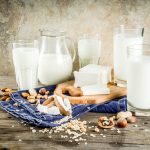
    That main image is stunning. It reminds me of the Dutch masters and their still life ptgs. Makes me want to grab a head of garlic and eat it !

  • http://www.powered-by-produce.com Angie

    I (very respectfully) disagree with your claims that a) a vegan diet lacks in nutrients and b) that humans are physiologically more like carnivores than herbivores.

    a) You do not need to eat complete protein in a single meal. Combining various types of protein throughout multiple meals works just as well. Plus, most Americans over-consume protein which can lead to issues like osteoporosis. It’s virtually impossible to suffer from protein deficiency if you are eating an adequate number of calories and a variety of foods (even if they’re all plants). Plus, there are plenty of vegan athletes and even vegan bodybuilders. More on what I call “The Great Protein Myth”: http://bit.ly/fnyEnO

    True, vegans can’t get B12, so they take a supplement. But Zinc and A are in plant foods and D comes from the sun.

    b) From what I’ve read, I believe exactly the opposite to be true – humans are biologically more like herbivores than carnivores. Here’s why: http://bit.ly/hhPwIZ

    Also, vegans have lower rates of cancer, diabetes, heart-disease, lower cholesterol, lower blood pressure, and live longer on average. (Which would lead me to believe that a vegan diet is not only healthy, but healthIER.)

    I recommend reading “The China Study” which is an extremely comprehensive study of the benefits of a vegan diet: http://www.thechinastudy.com/

    I’m honestly not trying to be argumentative – I just really think some of your facts are wrong and misleading. You’ve presented veganism as an unhealthy diet when it can actually be much much healthier than an omnivorous one.

    Whether carnivore or vegan, everyone needs to ensure they’re getting enough good nutrients. It’s not specifically a vegan diet that causes one to be unhealthy – it’s just as easy for an omnivore to be nutritionally deficient if they are not choosing to eat nutrient-rich foods.

  • Michelle

    Angie, I greatly appreciate your thorough rebuttal. I agree with much of what you say and disagree with a few points as well:
    - I agree you dont need complete protein in every meal, but if you’re going vegan then you have to be careful to get enough of it since there is so much less in tofu, legumes and grains than in meat/fish/eggs etc.
    - Whether we’re more suited to a herbivore diet or carnivore — lets split the difference and say we’re well suited to being omnivores – there is much about our physiology that is like herbivores and much that is like carnivores.
    - Re B12, you can take a supplement for ANY mineral and vitamin these days and B12 is one vegans should take, but I am not a believer that a supplement is ever as well assimilated in the body as the actual food itself that contains it.
    - True that zinc is found in plants just at a much lower lever than meat
    - Vit A is NOT found in plants — beta carotene is, but this has to be converted (an inefficient process) by the body to Vit A (the body cant use straight beta carotene)
    - Vegans having lower rates of health probs: I can believe that, but my theory is that it is more about all the OTHER stuff that often goes along with a vegan lifestyle that leads vegans to great health! (ie ltd or no processed foods, a close watch over what they eat, ltd alcohol, stress reduction, excercise etc). My thesis would be, that if you gave those vegans some meat or fish now and then, they would certainly be NO less healthy. In other words it the overall healthy lifestyle (I believe) that is delivering much of the benefits and not the absence of meat/fish per se.
    - Where I 100% agree with you is that whatever your diet, if you’re not sensible about your eating, you can be nutritionally deficient. The key is eating whole foods, clean foods (ie without chemicals and residual drugs), no processed foods, and no sugar. If you’re able to do that, you’re 90% of the way there and then it’s up to each one of us to determine the nuances of our diet – a diet that is right for your body, your age, your stage in life (ie. are you pregnant or nursing in which case this may not be the time to go vegan and/or light on protein) and your own personal likes and dislikes.

  • http://browniecooks.blogspot.com/ Chris

    Thanks for this great post and summarizing what I firmly believe. I was a vegetarian and on-again, off-again vegan for about 8 years. It is only since I have reintroduced meat and full fat dairy into my diet over the past number of years have I been able to lose weight (effortlessly!) and gain the energy I severly lacked throughout my veg years. I am undeniably healthier now in my thirties than I ever was in my twenties!

  • Liz

    Different strokes for different folks. For some, meat is hard to digest but a big vegan grain burger can be hard to digest as well. Quinoa is a complete protein among plant foods. A mostly plant based diet has been said to be the healthiest. And what about sea vegetables? They are chock full of nutrients. Balance and moderation and whatever makes you feel your best!

  • Michelle

    I am fully with you on the importance of doing what feels right for your own body … and I am all for eating loads of plants (I can make a meal of kale alone!), it’s the complete absence of meat, fish, dairy (because of their unique nutrients) that I think can present problems unless the diets closely monitored. Sea vegetables are great (I’m a big fan of seaweed which is rich in minerals), but they wont give you D or B12 – the two big ones to watch for if you go vegan.

  • lynn

    Off topic, but really not….these photos are gorgeous. The light and compostion especially. Can you say anything about what you’re trying to do when you take pics for this site? Any art background?

  • Michelle

    Do you think the weight loss is due to the fact that you’re simply less hungry (due to the full fat, meat etc) and therefore eat less?

  • http://www.pamelasalzman.com Pamela

    Because nutrition is such a fledgling science, there’s quite a bit we don’t know and much that is controversial. One thing that is a guarantee, however, is that if you’re looking to validate the way you eat you can find research out there to back you up. But really the most important thing I tell my clients (I am a holistic health counselor and cooking instructor) is to listen to their bodies. We are just such incredibly unique individuals to propose a one-diet-fits-all. That said, if you eat dairy and you have digestive problems or skin issues after you eat it, there’s nothing wrong with you. You don’t need a green pill or a purple pill. You need to stop eating dairy because it doesn’t work for your body. I feel the same way about being vegan. If you can eat a vegan diet that’s mostly unprocessed, organic food and you feel great AND you aren’t deficient in anything, fantastic. I was an anemic vegetarian for many years and added small amounts of high-quality (key word) animal protein to my diet and that’s what works for me. But, if you’re over-eating meat from commercially-raised animals, you’re probably better off a vegan.

  • organicgal

    Great post (as usual). Only thing to add…I’ve seen cancer being eliminated/cured thru the Gerson Diet (vegan) as used by someone I know (terminal Lymphoma given 6 months to live…it’s now 14 years later)…there’s an interesting video out there, Raw for 30 Days, that illustrates being able to cure Diabetes Type 2 and drastically help Type 1 with a raw vegan diet. If you’re in serious need of healing…vegan could be the way to go (also read Caroline Myss’ book Why People Don’t Heal and How They Can…she talks about healing sometimes WITH meat). After healing, it could be a desired lifestyle and you may be motivated enough to keep those possible health issues in line. About money? Pay the farmer or the doctor/insurance company. You can be a healthy vegan on the cheap…I think the word “lazy” is something that will get in the way of that being a possibility but even then, depending on where you live (Brooklyn/Seattle/Portland/Boston), there might be enough inexpensive healthy and/or ethnic eateries to make it possible anyway.

  • http://www.alanroettinger.com Alan Roettinger

    Good post, albeit a bit on the “anti-vegan” side. I take great care not to label myself a “vegan” because although I’ve been on a vegan diet for two years–and enjoying radiant health–I don’t approach it ideologically. As much as my sensibilities are “vegan” regarding animals, their plight is not something I spend a lot of time thinking about (unless someone brings it up). I am aware the 99+% of ALL the animal food in the U.S. is factory-farmed, and even the designations that make it appear otherwise, such as “cage free,” “free range,” and even “organic” on animal products are misleading in the extreme. But I’m not an animal rights activist and I’m not a vegan. I’m just a guy who’s paying attention, and I think this is what can make the difference for someone making the switch to a plant-based diet.

    Clearly, it would be dangerously irresponsible to simply stop eating something that provides many essential nutrients without making sure you’re eating enough of something that supplies them in equal doses. On that score, I can say unequivocally that it’s possible to be strong and healthy without eating animal products. Granted, I cook and write about food for a living, so I’m ahead of the game in that I can easily make whatever I eat taste good. (Visit my website for some sample recipes from my book, “Speed Vegan,” here: http://www.alanroettinger.com)

    My doctor was concerned about my diet change (even though my cholesterol plummeted from 289 to 130 in 6 months), and has ordered CBCs twice a year to monitor any deficiency.

    Last year, I ran a 13.5 mile race with an 8,000-foot vertical, to the top of Pikes Peak. I had been told I would have trouble breathing, especially above tree-line (12,000 ft), because I don’t eat any red meat. In fact, whereas many meat-eaters had a number of issues, I had no trouble breathing at all. I’m 58 years old, and I’m in the best condition I’ve ever been in.

    So, not to make this too long, the bottom line for anyone on any diet is to pay attention–to all aspects of health, including nutrition, exercise, relationships, and (most important of all ) JOY. If all of these are monitored and adjusted when lacking, success is assured. If any are ignored, a measure of pain and suffering is all but guaranteed.

  • k

    a question: where do you practice yoga/who is your yoga teacher?

  • Michelle

    Thank you Lynn! I did study photography quite seriously (though I only ever photographed people – never cabbage :) But it trained me to use light not just as something that illuminates the photo, but as a component of the image. I only ever use natural light and try to shoot when the light’s not too strong.

    As for what I’m trying to do when I take photos for the site … I suppose first and foremost it’s to make it visually entertaining – 800 words without a visual “reward” can be a slog. And secondly it’s to showcase the stunning beauty of food (and sometimes the whimsy of it). We take food so for granted but when you stop and look, I mean REALLY look at the visual intricacy, the colors and the shapes of our food, it’s breathtaking. And I think the more people can look closely and see the magnificence in it, the greater respect we will have for it.

    So I try to capture what we so often DONT see, when we’re busy eating ….

  • Michelle

    This is where it can get tricky – people have said to me, so what if someone can’t afford organic meat (double the price easily) then is no meat better? Not sure how YOU answer this one, but my answer is always this … it comes down to priorities and your beliefs … if you believe that eating some animal products is good for you and you want to choose the “clean” version of these products, then the extra $10, $20? $50? a month you spend on organic food, is it not a worthwhile investment in your health? If we can justify spending $50 a month on lattes, b/c our caffeine need is a high priority, then surely if the wholesomeness of the food is important, we can find a way to justify the higher cost. It’s unfortunate that we have to do so, but its the reality of our food system.

  • http://litasworld.com Jen @ Lita’s World

    First, thank you so much for sharing this post. I’ve been a vegan for about a year and a half now – making the choice mostly for health reasons. I’m not sure I could even eat an animal product now for the lack of the taste of it. That’s my story and I know other people have different views as to what works for them.

    I think your post shows a lot of respect for what is truly important – making sure you’re meeting the health needs of your body in whatever way you choose to (consuming animals or not). Being your healthiest is what is truly important here.

    I do constantly monitor what I eat and try to meet all the goals my body needs daily. It does take vigilance. I’m not complaining, in fact, I’m rejoicing that thankfully I live in a place where I can watch what I eat and make the choices I want to make to keep myself at my healthiest.

    I do observe many around me who, to put it simply, don’t take care of themselves – eating horribly and then feeling horribly. I also marvel at them when they wonder why.

    I love reading books and posts stating the pros and cons of a good diet. I love new tips, ideas and recipes, too. It’s all out there to learn and grow from and to give us options to try what works best for us because the healthiest idea won’t do anything if you don’t implement it.

    I think the more information that is out there the more chances there are for bringing healthy awareness to the masses – and that what your informative post did for me.

    Great post…thank you!

  • http://6512andgrowing.wordpress.com/ 6512 and growing

    Oh man, I was frying up some elk sausage today for lunch (that my husband hunted), thinking to myself how lucky I was to have such delicious, nutritious protein at my disposal. Then later, my daughter and I drove to our friend’s farm to pick up a few gallons of insanely creamy raw milk, which are already clotting into yogurt and sour cream as I type this.

    My friend once said, “life is too short to be vegan,” which pretty much sums it up for me.
    (However, if I didn’t have humanely-raised, healthy animal protein at my disposal, I might feel differently).

  • Michelle

    My feeling about any of these “miracle” diets is this….1) Every single person is different in terms of what will heal them – eating no meat/fish might heal one person while another person with that identical disease could be healed on a high fish diet. (In the early part of the 1900′s a 100% raw milk diet was often used to cure serious ailments.) and 2)Most of these miracle diets actually have much in COMMON! The individual who gets healed on these diets (pick your diet) has usually ALSO cut out processed foods, sugar, alcohol etc etc , they are also often incorporating stress reduction practices into their lifestyle. So it can easily seem that it’s the lack of meat or the high protein, or the pure juice or … but in fact it was the persons healthy lifestyle practices IN CONCERT that brought about the cure. (Or maybe they would have simply overcome the disease anyway, even on a Twinkie diet! Though unlikely…)

    As for the diabetes being cured on a raw diet – you can cure most diabetes by simply cutting way back on calories, cutting sugar, starches and processed food. If the diet does that (raw or not raw) there is a high chance of getting the diabetic back to health.

    Raw diets can work well though, simply because it’s so exhausting to chew carrots and kale all day that you’re simply not going to eat as much! Plus the water and fiber in raw are excellent filler-uppers.

  • Agent Scully

    I’ve been a lacto ovo vegetarian (mostly) for 4 years now (sometimes, a little fish sneaks in). What bothers me most is the “horror” stories people feel the need to share with me. Stories that involve their brothers wife second cousin, or their next door neighbors godfathers uncle: they tried vegetarian diets and had gotten horrible diseases or had nearly died. What so many don’t understand is that many people with eating disorders use vegetarian and vegan diets as an exuse for their anorexia or bulemia. So we have to deal with the ominovers who think its crazy not to like a burger, and then deal with the misconceptions as well :/

  • rsy

    Hello all. As far as I know, from having studied nutrition (although not academically) and practiced yoga for many years, no traditional yogi’s are vegan. They are lacto-vegetarians. Consuming milk, yogurt, ghee and cheese on a regular basis. The same as the higher Brahmin or priest caste in India. This life giving nutrition is one reason the cow is held in such high regard by that culture. Similarly, as far as I know, there are no traditional or native cultures on the planet that are vegan. Most, if not all, eat dairy, eggs and some meat. Although none eat meat to the extent of the typical American diet.

  • Michelle

    I hear what you’re saying and it’s not that I’m anti vegan per se, I’m anti extremes and I’m anti trying to push an extreme diet as the most enlightened form of eating (which I find many vegans do).

    I think you touched upon the key thing here though and that is to take enormous care in your eating … this is what the vast majority of people do NOT do (and hence our health problems). If we simply did two things and two things only we could all lead FAR healthier lives, 1) Pay attention to what feels right for your body, and 2) Be disciplined in feeding that to your body.

    What happens is that most people get extremely undisciplined and go way off the deep end in terms of terrible eating habits and then swing WAY over to the other side to try to detox via juicing or vegan eating (usually in January or pre summer aka bathing suit season) and then swing back to the bad eating and then back to a detox… if you can find that place where your body feels happy with what you’re eating and then be disciplined with yourself, the rewards are enormous.

  • K-mom

    I have a family of 5, and we eat a LOT. Eating healthy (meaning less junk, more high quality protein and LOTS of fruits and veggies) can be more expensive. However, it is just like any other diet- if you are super organized you can do it and not go into debt. Personally, I don’t even shop anywhere besides the organic section, produce, meat and dairy section of my grocer. I also follow the weekly specials at my favorite stores. For instance, at Sprouts, they will often have the organic grass-fed ground beef on sale, and I stock up and freeze it. Then I can make hamburgers, meatloaf, meatballs, etc. Tons of kid friendly food! Plus, one other thing that has helped me is buying the WHOLE chicken, not just the boneless/skinless breast. If you are eating organic, free range chicken, then you can eat the dark meat and it is healthy. (Personally, I believe you can even eat the skin on organic free range chicken, but that might not go over so well with some. I am however, a believer that we need some healthy saturated fat :) And if you can deal with dark meat, then buying organic drumsticks and thighs is affordable.

    Anyways, all in all my grocery bill is about 50$ higher than it was this time last year, but I am not willing to go back. I feel so much better eating dinner when I feel like every morsel is healthy “medicine” for my body. And I feel better knowing that at least when my kids are home, I can make them high quality meals with tons of nutrients.

  • http://www.pamelasalzman.com Pamela

    Yep, the reality and tragedy of our food system. But now we’re opening up another can of worms here. The bottom line is that cheap food has hidden costs and there’s no getting around that. I’ve posted my own list of how to prioritize what to buy organic and after butter, meat is at the top of the list. With respect to meat, most people are overeating animal protein and could benefit from balancing it with more vegetables. If you cut the amount of meat you consume, but just buy better quality, you’ll address the cost issue. But as you know, the Standard American Diet is 90% processed food and that right there is a big fat waste of money. One of us will have to do a post on how to save on your food bill!

  • Michelle

    Great point about buying the whole chicken and using every bit! and, yes to the skin! When you’re eating organic, pasture raised etc, every part of the animal is worth eating (and save the carcass for soup stock!) … and I am totally with you on the saturated fat. It has become so demonized though increasingly studies are coming out which show that there is NO evidence that sat fat causes any of the health probs the “experts” once thought it did … I think I’m going to do a post on this …

  • Morgan

    Hi Michelle,

    Just wanted to clarify that there is significant amounts of B-12 found naturally in many green-algae and seaweed, particularly in Spirulina, that is very readily-absorbed for your body.

    I agree that vegan diets can be extremely dangerous if not carefully handled (I was vegan for approximately 4 years and developed a few deficiencies even when I carefully handled my diet and saw a nutritionist). I never ate many grains though, however I think it was the phytic acid in the nuts and legumes that really set me up for deficiencies. Now I currently follow a diet that is mainly raw, but paleo-inspired, which includes fish, meat, and eggs, and occasional plain yogurt and NO grains or legumes. I feel better than ever, and my digestive system is very balanced and ‘normal’ for me again.

  • Michelle

    I had been for a long time going to Equinox at 19th street and Bwy with the teacher Patricia Moreno- though she’s recently stopped teaching her yoga classes post baby, very sad for us … so now doing it at Vira Yoga in Soho (Elena). Do you practice in NYC?

  • Enid

    Just want to thank you , Michelle, for this article and for all of your work. Your sensibility is most welcome and it’s very helpful to receive the information you’ve provided on many of the foods that have sustained us throughout our existence.

  • Michelle

    I think the closer one is able to get to the food source, the more respectful and thankful they are for it …

  • http://browniecooks.blogspot.com/ Chris

    Possibly, but I really believe it comes down to me eating food in its purest, least processed form — unprocessed meat and fish, full fat dairy, fruits and veggies, nuts, and minimal refined starchy carbs. Our bodies perform optimally when food is delivered in such natural states, void of any chemically derived, or refined products.

  • http://bigblackdog.com Kristine Genovese

    I love this post because whether I agree or disagree with you entirely on the issue at hand, it gets people thinking about what they are putting into their bodies and makes eating a conscious action rather than just an automated response to hunger. I am MOSTLY vegan, mainly because dairy products just do not agree with me (which is, of course, why I CRAVE them), but I do have egg at least twice a week. I live in the desert, so don’t worry much about vit. D, but still supplement both D and B12. You can eat overripe fruits to get pretty good doses of B12, but really, like the holistic dietitian stated, it’s all about what YOUR body chemistry requires to run at its best. I know a lot of people who are vegan/vegetarian and not that many of them actually eat what is probably a HEALTHY diet. Simply eliminating animal products from a diet just isn’t enough; people have to be truly aware of what they are eating and eliminate processed foods. I love the woman who gets to eat elk sausage–if you are going to eat animal protein, then make sure it is that kind, which will be the healthiest possible thing you could put in your body!!

    Oh and seriously LOVE the photos. Verrrry nice!

  • http://lauramychal.com Laura

    I was so excited to find that you wrote a post on Veganism. It’s obviously a juicy topic, I read all the replies thus far, and it seems to be controversial doesn’t it?
    There are many things that can be said about the vegan diet, on the negative, with that being said I’d like to state that I was a vegan for about a year. I also ate raw for a summer. In my experience I can vouch for the ups and downs. In both systems of eating I realized that I thought a lot about food in terms of what I could and couldn’t eat. Being a vegan in a restaurant (most) sucks. Being raw and eating out (at most places) really sucks. And, it can be a nuisance with friends and family. I felt good about what I ate, mostly, but thinking about food restrictions all the time gave me a headache. Also being raw is really expensive in terms of nut proteins (but I’m sure someone can dispute that, that’s how I thought about it at the time though).
    Also, while vegan I was appalled at how many vegan “cheeses/cream cheese” there was with hydrogenated oils and icky stuff in them. It really seemed to go against the point of veganism. There are so many items that are vegan and bad for you, so calling yourself vegan isn’t a free pass into healthdom. (We all know that though).
    A couple things I’d like to add. I was browsing the internet and found a video of a man talking about veganism. He said he’d lived as a vegan for seven years. For the first half of that time he felt great, the next half his health deteriorated. He offered some key information he came upon on his journey. Cholesterol. His vegan diet lacked sufficient amounts, and his body suffered for it in the long run. He explained that the body can create cholesterol when it isn’t getting a sufficient amount, but not forever. A lot of people, think cholesterol is a bad thing, clogging arteries, making your blood fatty, and causing heart attacks, but those are symptoms of too much cholesterol. We need it to hold our watery bodies together! Cholesterol supports our cells’s membranes, and without our bodies will shut down. He went on to say that forcing your child to be vegan should be called child abuse, etc. etc.
    I felt that my turning away from veganism had been validated in some way. There was a reason to eating cheese, other than just liking it! :)
    So, I agree with you. Anything extreme is a bad thing. Everything in moderation is the way to go. I don’t eat meat, other than fish, though, and I just don’t feel like I need it (or like it enough to want to eat it).
    One more thing though, for those die hard vegans still reading, or any other interested parties: There is a great amount of B12 in my Spirulina. It’s very nice and I Iove to add it to smoothies.
    Eating meat has definitely been an enormous part of the human diet forever! I’m currently reading “The History of Food” and I was shocked to hear how much meat was consumed by our ancestors. It seemed like an natural enough attraction for humans to consume animals. And people have been eating every part of the animal. Restrictions only came when it was for a religious purpose.
    Ok.I’ll stop now. But thanks for the post!

  • http://www.everylittlethingblog.com Stacy @ Every Little Thing

    This was a really interesting post to read. I agree with quite a few of your points. I haven’t done extensive research into the matter but have my own gut beliefs. I am a meat-eater and think there’s nothing wrong with that. I am not morally against eating an animal that was born and raised for the distinct purpose of being slaughtered for food, as long as that animal lived a comfortable life and was killed humanely and ethically. These are just my beliefs and I would never expect everyone to agree. That said, I have cut back on meat recently because I am interested in expanding my diet and getting protein and nutrients from other sources. Also, good meat is expensive!

    I honestly think that not all bodies are able to go vegan and not all bodies are made to eat meat. We are all so unique that I think we truly need to listen to our bodies and figure out what’s best. Most of the time, I think this is probably a mix of both diet extremes!

    Here is my take on meat: if you choose to eat it, you should be eating meat that is local, sustainable, and farmed using organic techniques, whether or not it has the label. This requires talking to your farmers, visiting the farmer’s market and even local farms, etc. The meat processed by Tyson or the local discount supermarket is NOT what we should be eating! In most areas of the country, you’ll have access to at least some local, humanely-farmed meats (for example, here in St. Louis we have tons of pork and beef but come up short on the chicken). Yes, it’s more expensive and I understand that not all families can make that a priority right now. Totally understandable! That said, if I couldn’t afford “good meat,” I’m not sure I’d feed my children the discount brand from Aldi either. I would work to get them nutrients and protein from other sources if I could.

    Anyway, sorry this got long. Interesting post, thanks :)

  • Mary

    In my opinion, Americans as a people tend to embrace convenience rather than nutrition. Vegan or not, we are way behind our European brothers when it comes to diet and nutrition. Other than B12, which can easily be obtained through supplementation, most other essential nutrients can be obtained through a vegan meal plan. B12 is also usually well stored by the body. I am a vegan by elimination (dairy allergy), nutritionist and personal trainer by profession, and have not eaten meat for over 40 years. Since vegetarian protein takes less time to digest we generally need a little less of it. I have raised 3 children vegetarian, the oldest a recruited track and field athlete who went on to break records and be noted as Atlantic 10 rookie of the week twice in her freshman year. Good nutrition is good nutrition. Carnivores don’t have the edge when it comes to eating well. Individuals who eat well have the edge, whether they are vegan, ovo/lacto veg, or carnivore.

  • http://www.alanroettinger.com Alan Roettinger

    Thanks for your reply. I agree with you 100% on your comments.

    The notion that any diet is a more or less enlightened way of eating than any other is, in my view, shallow and self-defeating. Enlightenment is an experience of reality, not the result of some action, or (least of all) represented by our outer baggage (like what we eat, or wear). I suspect there are more people turned off than attracted by vegans who feel superior for not exploiting animals.

    Since I began speaking at vegetarian/vegan events, I make the point in all of my presentations that what we’re all after is Joy, because that’s our underlying purpose in being alive. So, if we pay attention (as you say) to what makes our bodies feel good (or bad), and feed it only those things that make it thrive, health and wellbeing are a near certainty (barring accidents and pathogens). By making what is good for our bodies enjoyable for our palates, we make it easy to stay on track with whichever diet we’re trying to follow. I’ve yet to hear anyone disagree–especially about the joy part.

  • John

    Michelle,

    Your article, from the title right through all of the arguments, was all of the convincing the apologists needed to continue eating their animal products. Do you honestly think that “free range” eggs means the chickens are running around on sunny hillsides? Even if you drive 30 miles outside of the city to buy eggs from a real farmer, the vast majority of people are going to buy their “free range” (expensive factory farmed eggs) at a grocery store.

    I’ve been a vegan for 12 years. Most of your facts are wrong. Do you know where B12 comes from? I mean…where it is made? Ever hear of “many weed tea.” It’s a common cold remedy in rural Alabama made from a dried cow pie. Mega dose of B12.

    In any case, I don’t think your article was really an attempt to enlighten people about veganism but rather to make excuses. If you eat meat, you should raise/slaughter or hunt it yourself. Or go freegan. But otherwise, all of the labels the agribusiness industry makes up are just so yuppies won’t feel guilty about eating their crap. Unless you’ve met the cow, don’t assume that you have any idea of what “free range” meant for its particular life.

  • Michelle

    Hi John–Thanks for your comment but rather than just saying “most of your facts are wrong” (which i obviously don’t believe they are), perhaps you could point out which points you feel are wrong and why you feel they are wrong, and sharing with us what you think the “right” answer is.

    Regarding B12, I know very well where B12 comes from and how it is made. B12 is found in animal products which comes from the gut bacteria of animals – the B12 that is often associated with seaweed and other plants is highly disputed as a useable form of B12 that can be absorbed by humans. The B12 that is NOT disputed, that is well used by humans, comes from animals. I can well imagine that the product you mention “many weed tea” could indeed contain some B12 since the B12 would be coming from the intestine of the cow.

    So if you’d care to expand a bit more on what you find wrong, that would be more helpful than simply saying it’s all wrong.

    Thanks!

  • Michelle

    I know that seaweed and spirulina are commonly thought of as having high levels of B12 but I think this is under quite a bit of dispute and whatever levels it does have seem not to be as large as they are often thought to be.

    Have a look at this vegan blog where they discuss is … http://www.veganhealth.org/articles/everyvegan

    You might also take a look at the wikipedia entry where they touch on the controversy … (Scroll down to the B12 section) http://en.wikipedia.org/wiki/Spirulina_%28dietary_supplement%29

  • Rick Lee

    Hi Michelle – my first comment seems to have vanished into the ether…..my apologies if it “surfaces” and if this sort of duplicates it.

    Just an observation – its hard to know if we are actually consuming enough of any nutrient without making an effort to measure consumption. I find it quite useful to use a spreadsheet program (which I wrote) into which I enter weight or volume of any and all foods, then at the end of the day, it pumps out the number of calories, fats, carbs, sugars,proteins, vitamins, cholesterol, salts etc etc. Now I am the first to admit that it is only good to +/- 20%, but I find it useful especially when trying to lose weight or meet my doctor’s recommended intake of various elements!

    My sources for the program are government published values (which can and do vary). I wonder if the debate about which foods have nutrients or not, and at which level, couldn’t better be addressed via these sources. After all, the only way to determine Vitamins A, D, B12, protein etc, is through laboratory analysis. My preference is for government sources which don’t have an axe to grind.

    Keep up the great postings.

  • Selby

    So this post is titled “Are There Risks To A Vegan Diet?” and the answer is yes, but that is also the answer to any type of diet, be it carnivorous, omnivorous, pescetarian, vegetarian, vegan, raw, etc. So the premise is a little skewed to begin with. I think the healthiness of one’s diet is entirely dependent on one staying conscious and conscientious about what one consumes.

    I think perhaps the more illuminating question is: Why Vegan? I’ve been vegan for over a decade now, and a pretty strict vegetarian for the decade preceding that. I think that if one’s motivation is strong enough that virtually any dietary obstacle can be surmounted.

    My dietary switch started when I was very young – I asked myself, if I loved my pet cats and dog so much that I would never want to see them harmed or killed, why was it fair for me to eat other animals that had been killed. To this day, I’ve never found a valid answer – hence my veganism. Over the years, I have also found that a vegan diet provides one with a smaller carbon footprint and has much less of an impact on the natural environment – another very important part of the way I wish to operate in the world. Different folks come to veganism and vegetarianism for different reasons, but if they believe in the motivations behind the diet, be it any number of legitimate reasons, then they will find ways to make their dietary choices work for them.

    Random P.S. In terms of vitamins and minerals – I take a daily supplement that is certified vegan and contains 100% of the daily value of A, B12, and D, among many others.

  • Michelle

    Sounds like you should packaging and selling this program! Am sure there would be lots of demand …

  • Michelle

    Very true that there can be risks to ANY kind of diet that excludes entire foods groups. The reason why I titled it as such, is simply b/c the vegan diet is a super popular one right now and one that I think many people go onto thinking that it is the healthiest way of eating with no potential downside … Like ANY way of eating a vegan diet CAN be healthy, IF the person is aware of what’s in the foods they’re eating and is sure to get ALL the nutrients in whatever form they can (supplements as a last resort but a critical resort if you’re going vegan for longer than a month or so.)

  • Denise

    Hi Michelle and readers! I have been “lurking” for a while since finding this blog, and I have to say your topics are always thought provoking and interesting. I recently attended a seminar by a very famous motivational speaker who espouses a vegan diet and a healthy lifestyle. He challenged me to try the vegan way for 10 days – as a form of cleansing out toxins and acids, a way to try a new lifestyle and jump start the ideas absorbed at the seminar. I did it for 10 days – no meat products, no dairy, no gluten, no whites, high content of leafy greens and loads and loads of water. I lost 10 pounds in one week. I confirmed what I had always suspected once the two weeks were over – I didn’t *need* meat, and red meat, when I tried it again, bound me up something fierce. Yay, a lifelong question solved!
    With that said, I have been mostly vegetarian since November. I slowly reintroduced dairy (I just love my cheese!) and eggs, and I eat chicken a few times a month (mostly if I am eating out because trying to find non-meat food is almost impossible where I live). My intestines thank me for not eating beef! So I can see that a vegan diet would work, if you were very careful and thoughtful about your food.
    Really enjoyed this post, as I said. It got me thinking about my own situation, and I like hearing how other people work it.

  • Agent Scully

    I wanted to add, Michelle, that all of your responses are great. You seem completely open to discussion, even with people who are outright argumentative.

    Like I said above, I’m a vegetarian. I also donate every last penny I have to animal charities (ASPCA, WWF, local shelters, etc.) and make sure the small amount of eggs and dairy I do consume come from a local farm and the chickens and cows are truly humanely raised. That being said, there are so many vegetarians and vegans who do more harm to the cause than help it. Instead of talking rationally about their personal diet choices, answering questions posed to them in a calm manner, maybe encouraging people to start off with Meatless Monday and work from there, they instead attack. It’s the only response they have. It’s either you’re a perfect vegan/vegetarian or you’re a horrible human being who has no idea what you’re talking about, your facts are all wrong and you should die.

    I can’t say how often I’ve been at dinner with new friends or extended family. As soon as they find out that I’m a vegetarian, I get the look. You might have seen it: the huge eyes, the scary leaning away, the “oh my gosh I hope she’s not going to lecture me throughout my meal” look. It’s so frustrating to have to explain, that no, I will not sit here and attack your diet choice. No, go ahead, you can really order a meat dish, I don’t mind. No, I’m not going to silently stare at you throughout your meal and judge you until you are uncomfortable (and maybe quietly moooo at your piece of steak). Instead, I’ll calmly answer any questions you have. Sure, I’ll tell you why I made the choice to be a vegetarian. Sure, I can share some facts with you, if you ask. Sure I can give you some basic pointers. Looking for a good book to start? Try The Omnivore’s Dilemma. You’re not interested? That’s fine. Let’s talk hockey.

    Let’s be less quick to judge others for their decisions and be more open to steer them in the right direction.

    Thanks again for a great post.

  • Steve

    Great! Another hater who finds his place by bashing others. Well it looks like 12 years as a vegan hasn’t taught you as much as you think. STOP hatin’ and START participatin’. Way to lump everyone who eats meat and doesn’t raise the animals themselves as being too stupid to dicern what is and isn’t “free range”. Unless you’ve met the person, don’t assume that you have any idea of where that person’s food comes from. Thanks Michelle, for the hard work.

  • http://katzinn.com meezermom

    I was ‘almost’ vegan for many years – almost meaning I love fish wasn’t willing to give it up. I enjoyed being ‘almost vegan’ – I’m a veggie lover anyway. However, at the time I lived in CA where fresh fish was plentiful, as was the sun. I felt great all of the time – of course I can’t speak for being entirely vegan.

    I have many vegan friends – some who had problems and had to bring some type of meat product back into their diets – some who seem to never have a bit of problem and have been vegan for years.

    Currently I eat a small amount of meat with at least one meal a day. I think people often consume more meat than they need. (It makes me sick seeing those ads for double and triple burgers for fast food junkies)

    I believe Pamela also mentioned cutting down the amount of meat you use. For years I’ve split my pound of hamburger in half for meals – for instance if I’m making spaghetti sauce with ground beef I use half the pound tonight – the next night I might use the other half in a hash dish. Meat is rarely the main part of the meal. My family has never missed the meat – it’s mostly just an accompaniment to the veggies I use to make a dish. If I make a roast we may eat as little as quarter of it along with lots of veggies and side dishes (one of which is always a leafy lettuce salad). The next night the roast will be turned into enchiladas or some or chili or whatever I can come up with. Quite often there’s enough roast and beef stock left over for a third day of soup or stew or to add to a bit of sauteed kale and beans.

    If you’re eating meat this is one of the ways you can reduce the costs of buying organic – just use less and add more veggies – or grains!

    As I’ve mentioned on this site before, we, along with 3 other families, have a cow raised for us by a local farmer. We can go visit our cow in the field if we so choose – watch it grow – make sure it’s being treated well. Of course we don’t in part because we love animals and don’t want to form an attachment.

    I know that some of you out there think I couldn’t possibly ‘really’ love animals if I want to eat them. You are entitled to your opinion and I’d never say differently.

    My opinion is that a cow’s purpose is to provide food. That does NOT mean they should be treated inhumanly. They should be allowed to live a good, healthy life in the best environment possible and go to their purpose in the most humane way possible – Its part of the life cycle. We should be conscientious in the way we treat all animals – including, and maybe especially, those we are raising to sustain us.

    We are fortunate to have a local farmer who will raise a cow for us. Not only because we’re getting the best meat available locally, but also because it costs us under $2 per pound for everything, steaks, ribs, hamburger – everything in a quarter of cow and that includes the butcher’s fees. One quarter cow lasts us approximately 12 months.

    I encourage any meat eater living in a rural area to seek out local farmers who would be willing to raise a cow for a group of people. Not only will this provide good meat for you, at a reasonable price, but will also help your local farmer and encourage more small farms.

    PS: My daughter hasn’t been able to eat pork most of her life. I don’t know if this is an allergy, but I’ve heard pork is very hard for some people to digest. Even the smallest amount of pork will make my daughter quite ill – as we found out on one occasion at a family BBQ. My mother had bought beef brats for my daughter – after my daughter ate one she and got sick we looked at the package and found while the brats were beef they were in a pork casing.

  • Christine Fournier

    I know that this post is your point of view, but it seems to be presented as fact and that is unfortunate. I have been vegan now for 15 years. I have never had a health problem. Never been anemic. Never been deficient in any of the nutrients you mention, though my doctors always jump to confirm that I must be wasting away as soon as they find out I am vegan. I have a 1 year old daughter who was exclusively breastfed for 6 months and is now on a vegan diet with us. She was born in the above 95% weight/height category and has been off the charts since then. (My husband swears it’s all the beets and carrots I ate or drank during my pregnancy :-) I am now pregnant with my second child and still nursing my first. My blood results are still NORMAL. I feel great, too. And I’m not worried. The Farm, an intentional community in Tennessee that has held a vegan diet since the 1970s had an extremely low rate of preeclampsia, preterm birth, and other pregnancy complications when their health records were examined after 20 years and their children are healthier than average. It’s a pity to take an isolated incident from one unfortunate, and likely ill-informed couple and assume that all vegans must be similarly ill-informed and malnourished.

    My point is, eating a vegan diet and being very healthy are perfectly compatible. I often see the nutrients you mention mentioned with warnings for people trying to go vegan. What about the nutrient deficiencies in the carnivore and omnivore diet? No one really wants to talk about what our modern day Western diets are lacking (or what unsavory items they are including!). And unless you’re trying to maintain that Western diet WHILE vegan, then you won’t be deficient in anything. B12 is the only nutrient (needed in micro amounts) that you mention that does not have a vegan source, unless you fertilize your garden vegetables with your own feces and then don’t wash them well before eating. (That’s how traditional vegan cultures get their B12 – it’s produced in our colons, but absorbed further up in the colon so has to be ingested again.) But there are lots of B12 fortified foods to choose from nowadays – cereal, hemp milk, etc and you need very little to meet your needs. All of the other nutrients you mention are PLENTIFUL in a balanced vegan diet. If you are eating a vegan diet that is NOT rich in greens and oranges (vitamin A), you are not getting outside for 15 minutes a day (vitamin D – though MOST people – vegan or not – are deficient), not eating a mix of complete proteins (quinoa, rice and beans, corn and beans, wheat and beans, etc, etc), and not eating your nuts and beans (zinc) and yet you’re supposedly eating a vegan diet, then I want to know: what the heck ARE you eating? You also don’t note that most Americans eat 10 times as much protein as they need in their daily diet, and when that is meat-based it has the result of increasing arteriosclerosis, kidney stones, calcium deficiency, and the risk of colon cancer.

    I don’t agree with you at all about the reliance on tempeh. It’s never good to have too much of any one thing in your diet and tempeh, though the best form of soy, still has a lot of phytoestrogens and shouldn’t be relied on for protein. There are SO many other choices readily available. The challenge is to get out of the mindset that the western diet is all that there is to eat. Once you look at the variety of whole grains, greens, beans, and pulses that can make the center of a vegan diet then animal products are not necessary.

    I agree with you that it is possible to find animal products that are raised well and slaughtered with dignity. I disagree that you will find them on any grocery store shelves or that they are accessible to most people. I also disagree with you that there is nothing that your body finds toxic about meat and fish, because know that you’re liver and brain are not fond of mercury and every bite of fish and seafood contains it to some level, whether it is farm raised or fresh caught. There are also other persistent endocrine disruptors and other chemicals in our environment that animals (including us!) bioaccumulate (or in the case of carnivorous fish such as tuna and salmon, also biomagnify up the foodchain) that you are consuming. These include dioxins, BPA, and too many other complicated chemicals to name found in our milk, meats, and fish. Our oceans and waterways are very polluted and sick, and 5 of our 7 global fisheries are beyond collapse. This begs the question, if there is nothing “toxic” in your diet that includes animal products, why would you recommend a vegan diet for “detoxifying” purposes? Your logic is lacking in a number of arguments.

    Beyond the benefits of a vegetarian/vegan diet for the individual, it’s the only way that we’re going to be able to accommodate our ever-growing global population while our agricultural lands decrease in productivity and size. Pretty soon people may not have the choice to “go vegan, but then go back to eating meat later”. This is not a fad to follow because your personal yogi is doing it. It’s a way of life and should be treated as such.

    After subscribing because of a few good posts, I’ve found your logic lacking in other posts and your curiosity and drive to question in short supply. Now that you’re grandstanding on limited information I think I’ll have to unsubscribe. Best of luck.

  • Christine

    I think I address some of what John is talking about in my post. Just because he didn’t have the time to list all of the facts he takes issue with doesn’t mean he was being hateful. The rest of his post is well-reasoned and doesn’t sound hostile to me, Steve. I’d say someone is feeling defensive. I’m glad that you know that the USDA organic and free range labels are a bunch of hooey, unfortunately, most people do not. That is why they continue to sell so well, despite the added expense.

    And, Michelle, since you do know where B12 comes from, then you know that humans also produce it in their guts, but just too low down for it to be absorbed. I surmise that if we weren’t hygienically wiping our butts with tissue paper and washing our hands with antimicrobial soap, but eating with fairly dirty hands that we would be getting all of the B12 we need in our diet. I’m pretty sure that’s how we originally got our B12, considering that humans made pretty poor hunters and meat-eaters for most of our evolution. Is that a vegan source? It is human feces after all. But I think so!

  • Christine

    Adding to my original post, I want to say that I think this post is misleading. The pretext is to help people make diet and nutrition choices based on fact. The actual nature of the article is to state how vitamin deficiencies might occur if you aren’t eating a *balanced* diet. That can be surmised if you are at all familiar with a real vegan diet and know the central nature of citrus, greens, beans, nuts, and whole grains. Otherwise, people read the post and say to themselves, “Gee whiz! Unless a vegan eats all this stuff they’re going to get sick!” And that helps them feel better because their confirmation bias going into the article, and obviously held by the author as well given the title – is that a vegan diet is not safe beyond being a fad that you can experiment with for a period of no more than a week. We aren’t given any scientific studies. We aren’t given any evidence. Just the statement that *if you don’t eat certain foods* you will be deficient. This blog entry is not informative to anyone who has decided to educate themselves on the needs of a balanced diet. And it is insulting to those who take their vegan diet and their health seriously.

    That said, since most people seem to find this post illuminating I would like to list the vitamin deficiencies that are common in Americans that eat a Western diet, but that are found in good supply in a balanced vegan diet, as I mentioned in my original post.
    Calcium – causes muscle contractions and builds bones. Typically found in leafy greens, beans, and pulses. Also found in dairy, but not well-absorbed due to the excess of animal protein with which it is consumed.
    Magnesium – the counterpart to calcium, this fourth most abundant nutrient is necessary for calcium absorption, proper muscle and nerve function, bone strength and to keep heart rhythm steady. It’s found in legumes, nuts, whole grains and vegetables. Most people don’t get enough and should be getting equal amounts to calcium, despite lower FDA recommendations.
    Folate (B9) – one of the most common deficiencies in the U.S. (5% of the general population and 20% of pregnant women.) Important for the synthesis of DNA, RNA, and proteins and also used in the metabolism of homocysteine (deficiency leads to its accumulation in the body – yes, that terrible amino acid you get an elevated dose of in your blood every time you eat red meat and is responsible for arterial scarring, heart problems, and calcium leaching.) Folate is found in green leafy vegetables, citrus fruits, and some animal products. (Folic acid is a synthetic form of folate and is stored and metabolized in the liver, whereas folate is metabolized in the stomach. There are recent rigorous studies that raise the question of long term effects of folic acid consumption on our health.)
    Vitamin C (ascorbic acid) – essential for collagen formation and helps maintain the integrity of connective tissue, bony tissue, and dentin. It is essential for wound healing and facilitates recovery from burns. Vitamin C also facilitates the absorption of iron. It is found in citrus fruits such as oranges, limes, and grapefruit, and vegetables including tomatoes, green pepper, potatoes.
    Vitamin E – Acts through several mechanisms including as an antioxidant, through immunomodulation, and through an antiplatelet effect. It is found in vegetable oils, nuts, green leafy vegetables, fruits, and fortified cereals.
    Vitamin K – Found in leafy greens, vitamin K is an essential lipid-soluble vitamin that is essential for the production of coagulation proteins.

    The truth of the matter is, despite the scare the author tried to cause, there are few vitamin deficiencies in the U.S. despite people choosing to limit diet choices. We eat an excess of calories and protein (which cause their own problems), and even if you don’t eat whole foods and grains there are ways to fortify many of the refined foods. This isn’t true of many antioxidants and certain vitamins, but fortifying addresses most of the major deficiencies. I point this out because it is more than likely that some people reading this blog has deficiencies in their diet from not eating a balanced diet that is in part masked by fortification, but they feel that they can are eating great because, well, they aren’t vegan! (This is only my theory!) Eating a balanced diet of any kind alleviates potential problems.

    (For the record, though I hinted at it I forgot to mention earlier that Vitamin D, though it has the misnomer “vitamin”, is not a “nutrient” but is actually a hormone created in the skin readily in all but the most northern climes. There is no need to consume Vitamin D in most locations.)

  • Michelle

    Christine – For starters, feel free to refer to me as Michelle and not “the author” and please don’t take what I’ve said out of context, and imply that I am saying something that I am not … you say, “despite the scare the author tries to cause”, there is no scare intended whatsoever and I think if you read what I write carefully, I present my views in a very respectful way toward those that choose to go vegan and in fact I try to EMPOWER vegans to get all the nutrients they can, if they DO choose that diet.

    Also thank you for listing those deficiencies (which is great for people to be aware of), but this post is not about other diets and how the avg american eats, its about some of POTENTIAL deficiencies on a strict and long term vegan diet.

    This post is my opinion, one person’s opinion. You do not have to share it, that is fine. But pls don’t suggest that I am scaring people or saying things that I am not saying.

    Thanks.

  • Régina

    Thank you for another thought-provoking post. I do wish, though, that you’d look more into the information available about vitamin D.

    Even very young children, when found deficient in vitamin D, are given several hundred international units of it twice a year by their doctors. It can’t be very toxic then, and it isn’t.

    How 15 minutes of exposure to sunshine can be the equivalent to a day outside near the equator is something I’ll never understand. Even it that were possible, nearly everybody is in an office, factory or school during the brightest hours of the day. I’ll not even mention latitude, bad weather and long winters.

    Cod liver oil is very rich in vitamin D, but also in vitamin A, which is an antagonist to vitamin D.

    Any good diet that cuts out junk and over processed food will bring down cancer and other chronic disease rates. Adequate vitamin D supplementation will help even more to avoid modern ills. I have had friends feel so much better after starting supplementation that they were able to implement major life-style changes they felt beyond their reach before.

  • Michelle

    Regina could you provide a bit more info on your thinking around how vitamin A impedes the absorption of D (which I think you are impying)? In most foods the two are joined – cod liver oil, milk, meat etc – the two go had in hand as nature intended them, so I’ve not heard that they are antagonistic when consumed. Perhaps you could shed a bit more light on your findings here …

  • Christine

    Hi Michelle, thanks for the response. Despite your clarifications I have to say that I do not think that your post in any way empowers vegans. It is just your opinion, but it presented in another way, as though you have actually researched the diet. Your title itself, as I stated before, “Are There Risks To A Vegan Diet?” is negative. Your comment, ” The biggest challenge that I would be concerned about with a strict and long-term vegan diet is that there are critical vitamins and minerals that can easily not get consumed in adequate amounts.” Is not founded. You don’t clarify the statement by saying, “…if you are only eating boiled potatoes and carrots.” It’s not clear at all why you have this concern because besides B12, you mention nutrient deficiencies that would only be possible if a person trying to consume a vegan diet were severely limited.

    You also at some point since this morning edited your final paragraph without in any way stating this. You deleted your most derogatory statement (while also adding that your opinions are just that, opinions – something that did not accompany the original post, but is appreciated). This change is misleading to people who now read your post and compare it to my original comments.

    Your original conclusion was, “So my advice – if you’re going vegan, do it for a short period of time and then bring at least some animal products back to the plate.” This is also not empowering or respectful, it is dismissive of someone who makes real changes. It dismisses the vegan diet for the fad-driven yoga-follower (I also practice yoga, but I don’t jump to follow everything that respected yogis try out). A vegan diet is not for someone easily given to following fads and in our modern culture it requires severing yourself from certain “foods” and “food stuffs”, but it is not a path to nutritional deficiency as your original closing statement seems to claim.
    Unfortunately I live every day with people who once they find out I am vegan feel that they have a right to judge my choice and like to use ill-informed information they’ve read off-hand on the internet to tell me why how I eat is wrong. I learned this about 6 months into my vegan diet so I try as hard as I can to keep this fact to myself in social situations with new people and professional interactions. Sometimes it’s unavoidable. It seems that your post will add new flames to this ill-kept fire.

  • Régina

    These are two very good sources for up-to-date information about vitamin D:
    http://www.vitamindcouncil.org/
    http://www.grassrootshealth.net/

    I was made aware of the negative effect of vitamin A on vitamin D absorption through my research about possible causes of autism.

    As far as I know meat (except organs) is not a source of vitamin D? And milk does not contain much vitamin A nor D before the addition of the latter. Also I believe we were supposed to eat the whole cod (if one assumes that we are supposed to eat animals), not just consume the oil of the liver. But that is just my opinion……

  • Michelle

    I can well imagine that it must be exhausting to feel you constantly have to defend your choice – I too would feel frustrated and depleted, so I’m sorry about that. My advice to you – if you feel healthy on a vegan diet -great. Listen to others opinions, but then keep doing what you’re doing and ignore what doesnt resonate with you.

    As humans we tend to feel that our own choices are the right ones, not just for us but for for everyone! It’s human nature, but it can be dangerous. I’m no different. Vegan does not feel right for me but if it is right for others, great.

    My interest via this blog is to shed light on what people may not have thought about when it comes to food, but if they disagree with any of my opinions, that fine! It’s just an opinion, and there are plenty of other ones to be found.

    You’re right, I did make a tweak to the final paragraph (I should have noted that) AND I did add the final bit at the end saying this is my opinion. But honestly, even without that opinion statment, I think people should (and NEED!) be aware that ANYTIME they read ANYTHING ANYWHERE it is an opinion. Not a single one of us regardless of what an expert the person may or may not be, writes or speaks purely objectively.

    We all have biases and it’s important for readers to be aware that every single piece of writing on any site, regardless of the topic, contains biases. In my case, I eat animal products, so that very fact ALONE, makes me biased towards a diet that incorporates animal products!

    I think I present intelligent and well thought through biases, but UNbiased – these words, like all words ever written, are not …

  • Michelle

    Thx for sharing these, will take a look at them …

  • Michelle

    I’ve not fully read the second one you sent, but in the first link it states that Vit A is actually REQUIRED (as apposed to a limiting factor) for Vit D to be fully absorbed (which would make sense given that D and A are usually coupled naturally in foods). So perhaps you could point to where it states that one opposes the other … Thx!

  • es4d

    do it

  • Christine

    Michelle, the theory that Vitamin A antagonizes Vitamin D has been around for decades. Here is a clinical trial published 12 years ago showing the actual relationship in rats. http://www.ncbi.nlm.nih.gov/pubmed/10573558
    You make leaps in talking about “nature” “intending” us to eat meat, milk, and cod liver oil. I’m pretty sure that cod has only made it into our diet within the last couple of millenia – a very short time indeed in the “natural” evolutionary process. I’m also pretty sure that “nature” never intended for us to drink the lactations of another mammal throughout our lives, but human ingenuity managed this also several millenia ago and at least in the Northern European communities that originally adopted this addition to their diet there has been a selective advantage to those ho could tolerate lactose past infancy. And though for meat, humans also relatively recently managed to make it a large part of their diet. Before the modern age animal products made up less than 2% of the human diet, and mostly gotten opportunistically from eggs or scavenged carcasses because we couldn’t manage to chase down and kill a beast ourselves. The respected anthropologist and physiologist Jared Diamond said, ““big-game hunting added little to our food intake until after we had evolved fully modern anatomy and behavior.” Because you think meat, fish, and milk are all natural, are you suggesting it is “natural” to consume more than 2%?
    I’m a biologist so I’ve always been fascinated by the fact that people tend to ignore that anatomically we are not well suited to eat animal products. You say that we are more similar to dogs (and you say they are carnivores – in fact they are heavily omnivorous) than to cows. I’m not sure what you are referring to there. But I say we are more similar to gorillas (herbivores) or the mainly frugivorous bonobos than we are to any actual carnivores. We have exceedingly long intestines which help us to get every bit of nutrient from plant materials and meat rots in our intestines, unlike true carnivores (cats) which have short intestines and expel digested meats quickly before they putrify. We have underwhelming eye teeth (canines) that are utterly useless in the tearing of raw meat. Our grinding teeth are closer to elephants than cats. I could go on and on. Our anatomy doesn’t point to a vegetarian diet based on cellulose (like cows), but it shows that we were designed to eat much meat. As far back as the 1700s, the great taxonomist Carl Linaeus classified humans as frugivores saying, “To say that humans have the anatomical structure of an omnivore is an egregiously inaccurate statement. Man’s structure, internal and external compared with that of the other animals, shows that fruit and succulent vegetables are his natural food.” I don’t doubt that humans have historically eaten some meat, and are therefore opportunistic omnivores – even the least savvy squirrel and white-tailed deer will suck up an egg when given the opportunity – but I don’t think that we are obligate meat eaters and I don’t think it “naturally” makes up enough of our diet to feel that it’s necessary to warn people about their potential loss of health should they avoid it.

  • Christine

    Sorry, in the previous post, instead of:Our anatomy doesn’t point to a vegetarian diet based on cellulose (like cows), but it shows that we were designed to eat much meat.
    I meant to say: Our anatomy doesn’t point to a vegetarian diet based on cellulose (like cows), but it does show that we were not designed to eat much meat.

  • Régina

    You are absolutely right that we need some vitamin A to absorb the vitamin D in our diet. I ought to have said that too much vitamin A impedes the availability of dietary vitamin D. Cod liver oil is supposed to contain too much vitamin A, especially for North Americans who eat so much vitamin A rich meat.

    I tried to find where I read that but can’t find it right now. I’d guess it was Dr. Cannell and pertained to autism (which seems to be one way in which vitamin D deficiency expresses itself in some families).

  • J

    1. I love you’re posts!

    2. Somebody might have mentioned this already, as I did not fish through all of the comments, but a good reminder… being vegan does not = being healthy. I consider myself (in the words of Mark Bittman) an eat-less-meat-a-tarian. And when I’m eating less meat, I am eating way more fruits/vegetables/legumes/unrefined grains. But, there are plenty of things items out there that are ‘vegan’ but not necessarily things that you want to be consuming on a regular basis, like potato chips and fruit punch. Long story short… I agree… if you’re going to go vegan, make sure you do it right!

    Thanks for your fabulous posts :)

  • http://www.planithealthier.com Deirdre Holmes

    I have to agree with Lynn and others who have complimented you on your photos. The cabbage one made me think, “if people got to see vegetables looking this good, they would eat more of them — you make them irresistible!”

  • Michelle

    Thanks Deirdre! I agree with the “if more people could see how beautiful they were” theory … I inevitably come home from the farmers market with FAR more vegs and fruit than I ever intended b/c I’ll see a cabbage, a carrot, a leek and think, “I HAVE to have that!” Some people are like that with shoes — I’m that way with vegetables :)

  • Laura

    I think when it comes to nutrition, there’s a lot that’s not really well understood (on a practical level). There are the basics we all know but there are also a lot of mixed messages out there about what is good or bad to eat. I include myself in this sample. I seriously don’t know what’s going on.

    I’ve been vegan for 11 years. Whether it’s healthy or not, there’s really no other option for me because I don’t believe in killing and eating animals (ethically or otherwise). I have to say though that I don’t regularly take vitamins, don’t supplement B12 in any way, and don’t rigorously plan what I eat (although that’s less true lately as I have mostly cut out processed meat and dairy alternatives). I’ve had 2 blood panels in the past 2 years and they show I’m not deficient in anything – not iron, not B12.

    Seriously every day I hear a story of someone either complaining about it being unhealthy (“It made me feel cold and weak and my doctor said I was anemic so I had to start eating meat again”) or about some vegan, model of health, athlete (http://www.veganathlete.com/vegan_vegetarian_athletes.php, http://animalrighter.blogspot.com/2007/09/vegan-ultimate-fighter-ricardo-moreira.html). So what is the truth? I haven’t picked up any special powers as a result of being vegan and I also have not experienced sickness/weakness/anemia as a result.

    I think there should be more research on this – rigorous, academic research. There are some papers out there but they are typically pretty old.

  • Michelle

    At the end of the day the litmus test as to whether a lifestyle and “food style” is working for someone is, how healthy they are. If one is at their peak in terms of being as healthy as they possibly can be, then chances are whatever that person’s doing diet-wise, they’re doing it “right”. There is not a single “diet” out there that will ever be the right one for all of us – I think there is a lot we can learn about what MIGHT make a diet better or worse for an individual, and what downsides MIGHT occur, but when it really comes down to it, regardless of what any studies say, we have to do what feels right for our own individual self – taste wise, morally, emotionally and ethically. And it sounds like you are!

  • http://prasadabeauty.com Lisa G

    Just want to say: well done!! xoxoxo

  • lillie

    It is strange to me that you would say that vegans need to be “careful” about their protein and that folks aren’t sensitive to meat. I am vegetarian and a main reason I became such was to get more protein for athletic performance reasons because meat/animal products are more difficult to digest. People DO have sensitivities to meat. I do. If you eat 5 dairy eclairs and then tomorrow eat 5 vegan eclairs, you can compare how much your tummy hurts. I grew up in a traditional southern Mississippi household where it is expected to eat and eat and eat. I grew up thinking that my tummy hurting was just part of being full. Now that I am vegetarian I can get full without my tummy hurting! And the more vegan my meal is, the easier time my tummy has digesting my food, and thus less painfulness. Also I struggled with acne well into my 20s and the less animal products I eat, the less acne I have. I get more protein now than I ever did as a meat eater because a. my tummy doesn’t hurt and b. my meals are more well balanced, with all sorts of protein giving foods instead of one thick difficult to digest block of protein. I feel like you didn’t do enough research on this post, quite disappointing because I do really like your blog and I thought you were more educated than most folks that say “you’re vegetarian?? how do you get your protein??” :/ People are sensitive to meat! Its hard to digest and POOP!

  • Michelle

    Thanks Lisa! What we choose to eat is an incredibly personal and emotional issue – with the animal/no animal choice, perhaps the most intensely personal of all …

  • http://www.planithealthier.com Deirdre

    Yes! Me too.

  • Michelle

    Thanks for the comment Lillie – it comes down to doing what feels right for your own body … my point simply is that WHATEVER eating choices one makes, its important to at least be aware of what that “diet” might be delivering or not delivering, and then make an informed decision based on that.

    I feel that limited amounts of high quality animal products, DO offer a lot of nutrtinets, and they are often demonized (I think unjustly) but if no meat and zero animal products of any sort, is what feels right for someone and makes them most healthy,then great! They should do it. I personally feel better when I eat mostly veg with a small amount of animal products in the form of eggs, yogurt, fish and some meat- having that balance is whats key for me- but if that doesn’t work for an individual, and zero animal products is what their body is asking for, then they need to be true to their own needs.

  • Michelle

    Lillie – You also bring up a good point when you say, “I get more protein now than I ever did as a meat eater because my tummy doesn’t hurt” – if someone is having digestive probs with a food, then it’s true that much of the goodness of the food is NOT getting absorbed. So if a food IS irritating your gut, best to cut back or eliminate it since this will compromise the absorption of ALL nutrients.

    My Mum once told me a quote which I think is very true true: “We are not what we eat, we are what we absorb”. A food is of no value to us, if our gut is irritated and rejecting what we put in it ..

  • sheila

    hi,
    I just wanted to say that I really enjoy your blog, and this latest post was right-on in my opinion. I could state all my facts from Weston Price and a wonderful book, that I just finished by Lierre Keith, The Vegetarian Myth, but you have done that. What I find ironic is that “vegans” feel a need to attack and defend viciously their beliefs, where in reality I just want them to know what they are doing to their bodies… I want my vegetarian friends to know that they are depriving their babies and children of brain building vitamins and minerals. I want my teenage high school students to realize that their vegan lifestyle might create problems in their childbirth years… But as you said, it is such a personal and emotional issue that people don’t want to hear what they think is bad for them. Again, thanks for your post….

  • http://lauramychal.com Laura

    After all this intense argumentation in response to this post it just feels futile to talk over points with people who don’t want to hear them. Diet and nutrition is a damn near political subject. When I was a vegan I had a friend who was getting really into the Weston A. Price diet and ideology. She tried to enlighten me to subject. I didn’t understand it, because at the time I was getting into veganism and exploring it. Just this year it became clear to me that there are wonderful insights in that model of eating, and now I whole-heartedly incorporate organic whole milk products into my diet.
    Anyway, regardless of reactions to this post, it’s a good thing that you put out some information. Your not preaching, your simply exploring some informative nutritive ground. If people aren’t in a place to accept that now, that’s ok, it doesn’t make this information wrong, it simply means they feel attacked, because their belief system is being disputed. It’s a tough thing to feel that your way of living may not be correct. It’s the same with religious fanatics, isn’t it.
    The key to life is being open to other’s ideas, and if they ring true to you accept them with grace.

  • Agent Scully

    Wowza. You should rethink calling The Vegetarian Myth a “wonderful book”. It’s full of lies, misconceptions, faulty data and sources as prestigious as Wikipedia!

    I think you’re missing the crucial point in this post and many of the reponses: INDIVIDUALS should do what is best for them. You’re doing a great disservice to your students if you’re pushing your own personal beliefs onto them. They should be welcomed and encouraged to find their own lifestyle, not be told what to do and expected to blindly follow.

    I strongly encourage you to read about this topic from the other perspective. When we question our beliefs we become better informed. As a teacher, I hope you value critical thinking, not groupthink.

  • unhappy

    I too am unsubscribing because of this post. I have been vegan for health reasons for three years and have found my weight, cholesterol level, blood pressure all positively influenced by eating this way. Michelle, your constant need to “reply” to every single positive comment on veganism is simply too heavy handed for me, as it seems you feel driven to have the last word. Why not just let others share without having to judge them or qualify what they say or constantly put yourself in a positive light and be “right”? It’s such a shame, because I felt your content to be very good up until this point. Perhaps you’ll want to rethink your approach in the future, as we come here to enjoy the sharing of information, not to defend our nutritional lifestyle in an ongoing game of one upsmanship. Let it go, please. I don’t need Mommy telling me what I’m eating is “wrong” and that she knows best.

  • Michelle

    I’m sorry it so offended you. All the best.

  • theveganlogician

    Its good to bring attention to this issue but I think this article badly misrepresents the facts and unfortunately adds to the mountain of misinformation about the nutritional properties of a vegan diet. Let me explain in some detail.

    First of all, it is fair enough to set aside one powerful argument for veganism (i.e. the argument from ethics) and focus on the argument from nutrition. But in so doing you give the false impression that a lot of the meat consumed in, say, the US is from animals raised in an ethical, environmentally-friendly, and healthy way. This is far from the truth, as I’m sure you’re aware. When you say “…there are farms that raise animals with care and slaughter them with dignity. The animals are drug-free and run around like animals do”, you should add the caveat that only about 1% of the meat eaten in the US is raised in such an idyllic setting.

    Before giving your main argument you make a few contentious and seemingly irrelevant claims:

    1. You state: “…physiologically our digestive systems are more like dog’s (carnivores) than cow’s (herbivores)”. This is just false. What physiological properties are you comparing? Do you also think that physiologically our digestive systems are more like gorilla’s (herbivores) than sharks (carnivores)?

    2. You imply that humans have allergies to plants but not to meat. You say: “…I have never heard of a true meat ‘allergy’” I’m not sure what this point is supposed to support but here is a story about meat allergies (and there a many more such cases):

    http://abcnews.go.com/Health/AllergiesFood/meat-allergies-12-unusual-allergic-reactions-revealed/story?id=9975777

    Leaving those two issues to the side, your basic worry with veganism seems to be that going vegan is risky to one’s health. You say that on a vegan diet “…there are critical vitamins and minerals that can easily not get consumed in adequate amounts”.

    But this is true of non-vegan diets as well—in general it is easy to eat in such a way that one gets inadequate amounts of important vitamins and minerals. There is no doubt that the diets of many vegans and non-vegans alike are radically unhealthy. (Yet, I would speculate that the average American who eats a vegan diet, eats a more nutritious and healthy diet than their average non-vegan counterparts—in a large part just because they are putting much more thought into what they eat.)

    In any case, your underlying thought seems to be that it is especially difficult to get adequate nutrition on a animal-product-free diet. To support this you point to some vitamins that are not often found in plants.

    The most obvious one is B12—it is not found in plants (although there are some controversial cases). But one cup of the (vegan) Almond milk I drink supplies %50 of my daily B12 need…and B12 is added to various cereals, breads, crackers, etc. That is, many vegan friendly foods are fortified with B12. And the amount of B12 we actually need is very minimal. So it is fairly easy to get B12 on a vegan diet—even though strictly speaking its “not available in plant form”. And, of course, multi-vitaimins and/or B12 supplements are also readily available. I think similar remarks apply to vitamin D and zinc, e.g. the same vegan milk I mentioned above is fortified with vitamin D.

    At this point you might make an appeal to “nature”. You say: “Besides the sun and animal products there is no other way to naturally get D”. It seems that “naturally” is what is doing the work here, since there are many vegan vitamin B12 and D fortified foods. But this I take it “doensn’t count” since it isn’t “natural”. So what? We can get the vitamins from easily accessible products of the kind that I would think most vegans consume on a regular basis (unless they are also on a raw diet or something).

    You seem to think that supplements are intrinsically bad. In the comments you say: “I am not a believer that a supplement is ever as well assimilated in the body as the actual food itself that contains it.” Why is that? (Note: I am assuming we are talking about well-designed supplements.)

    With respect to protein, the claim that protein is difficult to get on a vegan diet is ill-founded, e.g. quinoa is a complete protein, 3 oz. of seitan can have 31 gm of protein, and there is plenty of protein to be had in things like tempeh, edemame, peanut butter, lentils, etc.

    I’m actually unsure what you think the take home message is supposed to be. On the face of it, it seems to be that vegan diets are dangerous and should be avoided—there are just too many nutritional risks. But in the comments you seem to really back off this stronger reading of the article, e.g. you say that vegan diets can be perfectly healthy. Also (as a commenter already mentioned) you altered the last few sentences of the article, which originally suggesting that we should eat at least some animal products, and now provides the much less controversial advice that vegans should be vigilant about getting all the nutrients we need.

    You say its just “your opinion” that veganism is nutritionally risky but let’s not forget that opinions can be unwarranted and wrong.

  • Michelle

    With respect to supplements, I dont think they’re “bad” per se, I just dont think they’re as good as getting them in the foods themselves. But you’re absolutely right that you can get ANY vitamin or mineral in pill form and tons of foods are fortified with them.

    The point I was trying to make (and perhaps it was not as clearly made as it could have been) is that if you’re on a vegan diet, and you’re NOT aware that these are the vits and mins that you COULD be missing out on, then you could get deficient in them. I think its helpful for anyone who chooses to exclude any kind of food group, to be aware what that food group delivers and therefore by not eating it, where there COULD be deficiencies and then take whatever steps they need to avoid being deficient.

    I personally try to get all of my nutrients from the foods themselves, but yes, one can certainly take supplements and if someone is not going to have any animal products then I think its important to do so.

    Re seitan (a highly concentrated wheat gluten), yes there’s lots of protein in it, I personally however, feel that it is a highly processed, extracted protein, and in my own diet I try to avoid the more processed and extracted foods (and for anyone with gluten issues it obv would not be wise to eat) but sure, if you’re looking strictly for high protein #s, then seitan will deliver.

    Thanks for the link to the cases of reported meat allergies, had never heard of that, but interested to learn more about it …

    The animal/no animal decision is a deeply personal one for all of us … at the end of the day, if what you’re eating feels right for you, then do it. If you’re feeling great, then you’re doing something (likely lots of things) right. Keep doing it.

  • fifty

    Michelle, this is your blog. You can post as often as you want. I mostly think you have good posts, not always. But it’s your blog, you can do what you want.

    I would suggest that you post maybe a little less often. Not disappear, mind you, not even close. But post when a thread warrants it, not every time. If you grow, as I think you will, you can’t possibly respond every time. You may even have to have a limit on posts. Who wants to page down to the 1,234th reply, if it comes to that. You need to look to the future.

    Your blog is new. You’re new at it, too. Learn. Learn what works. Maybe posting a lot works, maybe not. Learn when to stand your ground, learn when you’re wrong. Learn when you can let people have kind of heated discussions on tough topics, like this one. Vegetarians, vegans, carnivores, omnivores, what could be a harder topic than this sort of stuff in the food world? Be tough. But in a good way. It’s your blog. Figure out how you want it to go. And let those go away that want to.

  • http://www.machadofarms.com Rick Machado

    Hi Michelle,

    Wow. What an article. Talk about controversial. Lots of arguments both pro and con.

    As a farmer who grows lots of plant products, including a salad mix that I struggle to balance in terms of nutrition, I find myself agreeing with the vegans/vegetarians in their position.

    As a student of nutrition, and a plant breeder, I find myself accepting and understanding your logic in your argument about Vit B-12. Every reputable vegan group I talk to or read about knows you can’t get what you need from plants- you need a supplement. I don’t think this refutes the basic plant- based concept of food that they enspouse. It is just what it is. So I think that’s ok. It doesn’t make their philosophy less credible overall. Whether you agree or not on what that supplement might be, whether yeast or a pill, that’s another argument.

    I will say, though, we are probably more like omnivores than carnivores, and no, I am not going into the canine teeth thing. Yes we have a long intestine, but it is nowhere near as long as the functioning long intestine of a pig, which we once raised, and maybe our closest omnivore replicate. We both eat the same type foods, have about a 16% protein need, and consume both meat and non-meat foods. But again, we can debate this all day.

    If you want an argument from a pro-meat group, there is no better and more respected group, IMO, than the Weston Price Foundation. Sally Fallon and all the others who do this work make a strong case for animal products. I deeply respect their work and ideas.

    But you know what? There is a big world out there and every one is different. I have known smokers who lived to 100, and I also remember Jim Fixx, a man of many marathons who died in his forties. So to say one philosophy is better than the others , I think, is just silly. Everyone works different with different tools.

    Michelle, you have my admiration for fearlessly treading into subjects like this. You did your best and were unafraid, you defended your spot, and , I thought, defended it well. Go forth, noble writer, and do it again.

    Rick Machado
    Machado Farms

  • fifty

    I might also add that peoples of the world come from different backgrounds. Those that inhabited grasslands ate lots of, sometimes, mostly, meat. Look at the American plains Indians. Most of their food was bison. Vegetarians would have died. Because that’s what was there, grasses can’t be eaten by humans, and bison made them healthy. In Africa, same thing. The people that lived on the vast plains, ate meat and milk, mostly.

    In jungles, there was lots of fruit and human edible plants. So that’s what they ate. In more diverse environments, there was lots of vegetation that was suitable for humans. So that’s what they ate.

    But the thing about humans is that we have been opportunists. We eat what presents itself in the environmental niche that we inhabit. There is even an archeological school of thought that says that European humans would have died out if they had not hunted and eaten the giant fauna of the ice ages. Consensus seems to show about 2/3rds of food for humans in that place and era was meat.

    As far as our digestive system goes, we have hydrochloric acid in our stomachs, which is needed for meat digestion. But we have longer intestines than pure meat eaters, which means we need plants. We also have teeth that’s good for both plants and meat, so both are eaten. We don’t have 3-4 stomachs and don’t chew our cud, as grass and leaf eaters need and do, so we can’t eat that food. Which is why plains people depend so on meat.

    There is DNA evidence that the lactose gene mutation happened in people living in the European Alps. And spread very quickly, evolutionarily. Why not? A superb nutrition rich food source was now available in winter – animal milk. Something similar happened in Africa. But not in East Asia and not in the Americas. So peoples from native populations that didn’t have these genes, weren’t exposed to them, or didn’t have an evolutionary advantage to them, now “suffer” from lactose intolerance. It’s all about your ancestors adaptations.

    We are omnivores. That is what I believe. We adapted to both meat and animal products like milk, and plants.

  • B

    Humans eating meat is an invention of man. We were not physically created to eat meat. If it were not for man-made tools we would not be able to catch and eat animals. I suffered from stomach aches after eating since childhood, doctors couldn’t solve the problem. It wasn’t until I switched to a vegan diet in my 40′s that the pain finally went away, it was clearly the meat causing the pain. My vegan diet has increased my energy immensely and also lowered my sky high cholesterol and blood pressure (no medication needed)! ~;o) My skin is clear, my nails are strong and I wake up smiling every morning because I sleep so well without meat taking 24 hours to digest in my system! And I could go on and on about the joy of pooping every day!!! ~;o))

  • Blythe

    I went “veganist” (meaning I lean vegan) a few months ago. No animal products except my neighbor’s free roaming chicken eggs which I actually eat for breakfast 4x week. I have never felt better, but I think the eggs are key to maintaining the protein, D, B12 etc… that and a ton of vegetables. And I don’t feel bad about the eggs because the chickens they keep are the happiest, healthiest little egg bags in the world.

  • Tarap50

    Most of the plants we eat are also an invention of humans. Ancient grains were just a shadow of modern, mass produced, bred over centuries, carb bulked up ones. Most garden foods bear little resemblance to their wild counterparts, both in qualities and volume. Modern plant breeding, modern growing practices, and modern transportation have made a huge variety of cheap plant foods available. And, I daresay, as a result, vegans and vegetarians are just as enabled by modern agriculture as meat eating omnivores are.

    I’m not at all against vegetarians, and don’t dispute that some people are allergic to some meats or parts of meats. But being an omnivore is also naturally human and is historically validated.

  • Studioish Net

    applaud your reflection and your research, but then again, “slaughtered with dignity” sounds like a placebo oxymoron. you can’t murder people with said dignity, taking lives isn’t really ever very dignified. Let’s be real about it.

  • Studioish Net

    I am a vegetarian, a yogi and practice ahimsa, non-violence- because I think compassion is the most important value of all. I have been thinking about going vegan for a while, and am slowly moving towards that goal. If you are ready to face some tough facts, here is a video that will get you thinking:

    http://www.youtube.com/watch?v=es6U00LMmC4

  • Studioish Net

    thanks for your reply! i too have researched for a while and agree completely!

  • Allison

    eewhh…yeah… lots of comments here. Getting more popular. Just got an email about the Webbys’ and Michelle and Sweet Beet – you’ve go my vote! You go girl!

  • http://profiles.google.com/andrealynnschuetz Andrea Schuetz

    I appreciate the updated italicized comment :) I enjoy a vegan diet and am happy, healthy, fulfilled, etc. There are plenty of things like nutritional yeast (for vit B12), sunlight (for vit D), quinoa, buckwheat, hempseed (for complete proteins), nut butters, bread, wheat germ, cooked leafy greens (for zinc) that I use to get my nutrition on.

    Basically I think that this article that you wrote can also be written by a vegan, about a carnivore, only it would probably have a lot more “potentially missing nutrients.” I think that most vegans pay attention to what they eat more so than a person enjoying the standard american diet, and are there for in a better position, nutritionally.

  • http://www.thesweetbeet.com Michelle Madden

    I totally agree that most vegans pay very close attention to what they eat and if they’ve been on a prolonged vegan diet and they feel great, then presumably that’s what right for their body! And no question if the healthy vegan diet, is comprised of low sugar, low refined carbs, and lots of whole foods, it FOR SURE is healthier than the avg american diet, animal prods or no animal products. I would bet my last health insurance dollar on a vegan over the typical american eater, anyday.

  • http://www.breastcancerdefense.com Natalie

    I applaud you for taking a stance on this issue. Your argument was very well organized and thoughtful. I tend to feel exactly the same way you do…On another note, I am a first time visitor to your site and am loving it! Great job! Can’t wait to try some of your recipes.

  • Cammytran27

    Meat is hard to digest ! Yes, grain and vege are easier if who have experience hard to digest grain and vege that because in the body system are working innormal cause stomach problem. Out there have a lost of natureral way to help for that. I’m been a vegetarian for 4 year then choice to be vegan after that untill now total 14 and 1/2 year and choose to do the rest of my life… Let’s I tell you I do get physical check up every year ,my blood test came out healthy every thing all in normal ranking .I have taking B12 complex 2 time a week, Vita C 1000 mg a day,I watch what I’m going to put in to my body, I’m 58 1/2 years old ,I have good health, full of energy compare with my co workers at the end of the day at work. And I’m the oldest one. I have a very nice figure wear size 5-6, beautiful complexion what my customer all way tell me and asked . They though I’m in the 30+ year young .I’m listen to my body and care and adjust my life style for my body to feel normal every day, I ‘m happy!!!.
    What I see What I know the most of people have health problem in hospital are meat eater and if the one lucky will get an advise to change diet.
    How ever ” eat to live, not live to eat ” be a vegan purify our body, heathy mine, growing loving heart .
    you will healthier, happier, things will go easier. And you will see the cow, pig , chicken….they have feeling
    and they are soooo cute too…..And they want to be alive.

  • Harrybaldman

     ”… there are farms that raise animals with care and slaughter them with dignity.” How do you slaughter an animal with dignity? Good grief. You can be a vegetarian (ovo-lacto) at least.

  • http://www.thesweetbeet.com Michelle Madden

    I hear you and I agree that the words slaughter and dignified have trouble being compatible in the same sentence. I don’t know what the simple answer is except that I think if one IS going to eat meat, that choosing meat from small family farms that treat their animals well and try to practice the “killing” part as humanely as possible, is the way to go …

  • http://www.facebook.com/profile.php?id=1356027848 Gary Dempster

    after several years of being influenced by “low carb” and “weston price” type propaganda, this month i did a 2 week fast, and since i stopped i have been eating “99.9% vegan” (i say that cos i still take fish oil). the mis-information that has seemingly spread everywhere by anti-vegan websites and interest groups, such as weston price, are very apparent in this article – the supposed deficiencies in the vegan diet are very easily overcome by either nutritional supplements or very minimal consumption of animal products, and some (such as the vitamin a and protein info above) are total weston price foundation type bs that is basically bad science. i can say for myself that i feel incredibly better since changing my diet to a low fat vegan one, have far more energy, recover much faster from workouts, and have more energy/motivation to exercise. start with a fast, and these benefits will be greatly amplified. expectation and belief are huge factors on subjective experience of a diet, so keep that in mind and educate/experiment on yourself! 

  • Tracy W.

    This author is under-informed and the information in this post is incomplete and potentially misleading/inaccurate. The only item on the author’s list of essential nutrients missing from a vegan diet that is actually a risk for vegans who are eating properly (i.e., a variegated assortment of vegetables, fruits, legumes, nuts and whole grains, and NOT simply cutting out animal products without increasing the consumption of these other foods) is B12, of which, the author neglects to list the informed vegan’s main sources: i) nutritional yeast, ii) fortified foods, and of course, iii) supplements (if necessary).Non-vegans/vegetarians are as likely to be deficient in B12 as healthy vegans, whereby absorption of B12 is more of an issue than consumption of it. More importantly, the list does not mention a crucial nutrient which is often missing from a vegan diet: omega-3 fatty acid. Though it is possible to meet ALA, EPA and DHA (fatty-acids) requirements by regular consumption of walnuts, pumpkin seeds, sesame seeds, hemp seeds, hemp oil, flax seeds, and flax oil (studies indicate that 1 Tbsp per day of flax oil is sufficient — source: http://www.savvyvegetarian.com/articles/omega-3-vegetarians-vegans.php), vegans may be prudent to ensure these levels are adequate with a blood test, and otherwise, look into taking a vegetarian DHA supplement, and lowering their intake of omega-6 (which must be offset by omega-3s). Protein deficiency is really not a concern for vegans who are eating a proper vegan diet (as mentioned above). We are more closely related to gorillas than dogs. Gorillas are, pound for pound, the strongest animals on the planet, and meet all their protein requirements from a diet which consists almost entirely of plant food (that is they are strong, healthy vegetarians, and if it weren’t for the small percentage of insects consumed, vegan).I think it would be a good idea for people to blog about topics on which they are fully informed and not superficially ‘researching’ by means of a few Google searches! If you are thinking about going vegetarian or vegan, I recommend that you seek out information from people with credentials (http://www.vegansociety.com/downloads/PBN.pdf, and http://www.amazon.ca/Plant-Based-Nutrition-Health-Stephen/dp/0907337260 are good for starters). There is so much research/information now about plant-based diets, there is no reason to be discouraged from making the transition. Most people who have done so can attest that they feel better, and are healthier than they have ever been! And it’s certainly healthier for the planet.

  • Digits

    Are you six-years-old? Tummy? Veganism certainly doesn’t help with maturity levels.

  • http://www.terrabeads.com/t-skirts.aspx long skirts

    I in truth believe you should not add any things about this topic. Thank you a lot for a cool story

  • Virg

    I just came across your blog and this post.. and haven’t read any of the comments below, but am compelled to put my 2 cents in.  I began having a real ethical dilemma with eating meat about a decade ago.  I took me a while to give up meat completely but I did.  Being veg, and for a while vegan, did feel great, but I was not thriving.  After some blood work I learned that I am anemic.. it’s a mild form and genetic as my sis & dad are both mildly anemic.. not the end of the world, BUT my body needed more iron, period.  After much discussion, research & soul searching.. I decided to eat meat again.  I came to realize that the first place I need to practice ahimsa is with myself.  Denying my body what it needs, not just to thrive, but to not degenerate faster than most (anemia), was not an option.  I needed more iron from food sources high in iron.. not supplements.  This journey has led me to have much more reverence for my food sources.  How they live, how they are treated, how they are slaughtered, what they ingest.  I am fortunate to live near a fantastic butcher (a former vegan) who feels the same.  When I eat meat, I do it consciously. And while veg I learned a lot about complete proteins.. new studies has proved that you do not need to eat your beans & rice in the same meal.  You’re golden as long as you consume this within 24 hours.  Your body stores the individual amino acids and pulls what it needs when it needs to create protein.  

  • 123

    Gross neglect?? These parents are anything but negligent.

  • No Name

    Well… this is a tough one.  I gave up Gluten which was the BEST decision I ever made but then I gave up meat.  Not too sure that was a good decision or not.  My Asthma improved and is just about gone and I lost a good amount of weight.  Now I have a serious flare up of crohn’s disease and am sitting in the hospital on IV anti-biotics and Iron infusions because my Iron has dropped to an all time low.  Was it from going vegitarian?  I am not sure.  I take suppliments and drink and eat many green veggies.  My body decided not to absorb it anymore.  On a positive note, I haven’t got a cold since I became a vegitarian.  I don’t know.  I think I HAVE to go back to eating red meat, I don’t think I will have a choise if I want to live.

  • Blake Johnson6464

    “…in fact physiologically our digestive system appears to be more like a dogs, rather than a cows…” do some further research before posting unsupported facts..
    FACT: a carnivores intestine is 4-6 times the length of its torso so it may digest decaying flesh quickly. A herbivores is 7-12 times longer than their torso because plant matter takes longer to break down. Humans intestines resemble that of the latter. And how can you compare a humans digestive system to a cows? They have 4 Stomachs!!!
    FACT: A carnivores jaws can only move up and down for biting and tearing. A herbivores moves in all directions so that it may grind plant matter eg. Cow, horse, rabbit and HUMAN!!!
    And did you ever think that people don’t get ‘meat allergies’ because it is the flesh of another lifeform. Have you ever heard of someone being allergic to the touch of one particular person?

  • well

    Not true — there are a lot of dangers within animal products, we’ve been eating animals for as long as we have because way back when, we weren’t polluting the ocean with harmful factory discharge and poisoning our food before we slaughtered it. If you’re “aware” of the conditions of these areas, you’d know that it contributes to a lot of toxins and poor meat. 

  • http://www.facebook.com/people/Janet-Geren/811617434 Janet Geren

    I am with Jason. I have been a vegetarian since the early 80′s.  I love  animals and because I felt sick after I ate meat and if it wasn’t soaked in garlic, pepper, teriaki and other seasonings I couldn’t eat it.  But after reading John Robbins great book, “Diet for a New America,” I realized that I could never kill anything with my hands, even if I was hungry.  It was the best decision I ever made in my life.  I no longer had indigestion and have never had any digestive problems since that time.  I had severe ear infections since I was a child and asked Dr. McDougall what I could do to stop them.  He told me to give up ice cream.  I did and never had an ear infection since 1984.  I did hang onto cheese.  I finally gave up cheese when I became very ill and almost died in 2007 and I was made aware of how cruel dairy farms were, even worse then slaughter houses.  I actually have recovered after losing the use of my legs and right hand and I also had foot drop in both feet.  I truly feel being vegan has put my body back in balance, but like Jason, I don’t eat any processed foods, I eat organic vegetables and fruits, no sugar at all or candy, lots of almonds, coconuts and quinoa, which is a complete protein and we love it here.  I truly believe for me (I won’t speak for anyone else) that my body was not meant to digest meat.  I feel lighter, stronger, healthier, have more energy then most of my close friends that still eat meat.  I could never go back to that again.

    The article is wonderful and very educational, but I have to say and express my dismay at one thing that was said.  That is

    ” Yes, most factory farms are despicable, and I think it’s honorable to
    reject these practices, but if you’re not eating animal products (and
    fish)because of the inhumane treatment of living creatures, there are
    farms that raise animals with care and slaughter them with dignity. The
    animals are drug-free and run around like animals do.”

    I don’t believe there is any way around the ethical killing of any creature.  I see nothing about raising animals with care, so they can be raised with care, anything but humane.  And I know of no way to slaughter any animal with dignity.  Because they are the voiceless, doesn’t mean we can speak for them.  Their silence and suffering is very deafening to me.  Without words, the pain I see in the eyes of farm animals tells me a very sad story.  They love, they care, they feel anger, hurt, emotional and physical pain, separateness and loneliness, just as we do,  But imagine not being able to tell anyone how you feel?  Without expression, their pain and fear must be greater, without expression they suffer, without words, and I believe they know their fate, all the way to their last breath here.

  • Brick

    It would be nice if people who posted articles would spell words correctly. 

  • Bhayes22

    Thanks Janet, the author lost credibility with me when he said, ” … slaughter them with dignity.” Clumsy thinkers generally give themselves away with statements like that.  

  • Mark V

    “…there are farms that raise animals with care and slaughter them with dignity.”

    This is absolutely ludicrous. “Slaughter them with dignity”? How does this work?

    You know, would you be okay if somebody kidnapped members of your family and murdered them, only to assure you “It’s okay…they’re dead, but I slaughtered them with dignity”? Hey, if that sounds horrid, it’s simply your own “logic” being used against you.

    I’m also a little sick and tired of all this stuff about ”What we choose to eat/not to eat is an extraordinarily personal decision”.

    It may surprise you to know that the “personal” nature of your decision is forfeited the moment you take away the right to live from the animals that you eat.

    What if someone wants to eat other human beings (after letting them run around on a paddock, undrugged, before “slaughtering them with dignity”, of course)–would you also defend that person’s “personal decision”?

    You spend one paragraph on the ethical issue and then dispose of the issue quickly, before launching into an epic monologue about the ostensible nutritional shortcomings of veganism–because quite honestly, you’d rather not think seriously about the ethics of the issue. You find it inconvenient, you see.

    Ironically, there is a related article entitled “Grains Don’t Want You To Eat Them”. I’d hazard a guess that animals don’t want to be eaten, either!

    Regarding alcohol, you said: “I think the occasional drink is essential for mental health if not digestive.”

    Erm, really? And where is your raft of facts to back up this little treasure? I don’t drink alcohol, and there is nothing wrong with my mental health. I can’t be so certain about the author of the above article!

  • Mark V

    I’ll disagree, and here’s why…

    You pontificate like a self-styled New Age guru fake, harping on about “Joy” and the underlying purpose of being alive.

    You bash vegans for supposedly feeling “superior” in our way of life, not pausing to consider, in all your blatantly obvious ignorance about the motivations of others, that the big catalyst behind veganism, for so many, is the fact that we DON’T necessarily feel superior to other beings. We DON’T feel that we have the right to exploit animals for the sake of our own self-serving attitudes.

    I’ve never heard even one single vegan say “Veganism helps me feel superior to other people”, have you?

    But I constantly hear and read comments from omnivores who justify their position by proclaiming with a certain blend of ignorance and smugness: “It’s all about survival of the fittest; humans are the most dominant species on the planet, therefore we can do what we want”.

    So which side do YOU think is the one parading about their shallow sense of superiority? And even if a vegan DOES have a chip on the shoulder–how does this hurt you, Mister Guru? Do you really sit there worrying all day about someone else’s hubris? What worries me is not the smug “survival of the fittest” attitude of the omnivores, but the consequences of their thoughts that lead on to the consequences of their actions. I believe that animals deserve better.

    You said: “Enlightenment is an experience of reality, not the result of some action, or (least of all) represented by our outer baggage (like what we eat, or wear).”

    Actions that we take are a part of reality. What you’ve stated is pure gibberish. You’re clearly all about seeking “enlightenment” through giving oneself neverending Joy–but to do this at the expense of other living beings, namely the animals with whom we share the earth–a tad selfish, wouldn’t you say, Mister Guru? No wonder they sacked you from the fortune cookie factory.

    I make zero apologies for posting the above: if you find it offensive or confrontational, tough. I’m fed up with the passive aggressive BS that passes for “reasonable debate” these days (e.g. yet another cliched statement about “vegans needing to feel superior” is a passive aggressive statement, not to mention a blatant lie).  

  • Mark V

    “However, if I didn’t have humanely-raised, healthy animal protein at my disposal, I might feel differently”

    What a load of crap. On two levels.

    Firstly…was the elk that you ate “humanely-raised”? I suppose it just flopped over and die peacefully as soon as it saw your husband appear in the woods.

    Secondly, just because there are animals around you that are easy prey, it doesn’t mean you have to kill them and eat them. You’ve got plenty of fruit and vegetables at your disposal. Think about how fortunate that makes you. And how fortunate it should make the elks in the woods.

    You know, I’m happy to go out and get a job and earn my own bread.

    However, if I didn’t have humanely-raised, financially-affluent senior citizens foolisly shuffling around late at night in the city, prone to being mugged with a sock full of coins to the back of the head,
    I might feel differently!

  • Mark V

    “I love the woman who gets to eat elk sausage–if you are going to eat animal protein, then make sure it is that kind, which will be the healthiest possible thing you could put in your body”

    Humans are a form of animal. If it were discovered that human beings were a better source of animal protein than the humble elk, then I wonder if you would then amend your above statement to read:

    “I love the woman who gets to eat human sausage–if you are going to eat animal protein, then make sure it is that kind, which will be the healthiest possible thing you could put in your body”

    Hey, don’t hate me–I’m only using your own logic against you. I don’t think some of you folks live in the real world with such ludicrous statements.

  • Mark V

    “I am not morally against eating an animal that was born and raised for the distinct purpose of being slaughtered for food..”

    Who the hell decides why any creature walks this earth and what is its ultimate purpose…you?

    “…as long as that animal lived a comfortable life and was killed humanely and ethically.”

    So is it okay if somebody were to kill you, as long as that person thought it was done humanely and ethically? 

    “These are just my beliefs and I would never expect everyone to agree.”

    You certainly expect the animals to agree, lest you might miss out on a big fat juicy steak.

  • Mark V

    Regardless of how you raise animals, you’re still raising them for the purpose of becoming food on your table. And in this, the animal has absolutely no say whatsover.

  • Mark V

    “I wanted to add, Michelle, that all of your responses are great. You seem completely open to discussion, even with people who are outright argumentative…”

    Scully, the problem with people like Michelle is that they aren’t “open to discussion”. They adopt a passive aggressive approach and whenever somebody contradicts somthing they’ve said, brush it off with a standard “that’s still under dispute” (note Michelle’s ceasless ignorance regarding the fact that plant-derived B12 is absorbed readily by humans, a fact that hasn’t been disputed for years–except for people like Michelle, as the B12 issue is a “valuable” part of her resistance to veganism).

    Scully, numerous times when I’ve told somebody that I’ve vegan, THEY end up lecturing ME!

    Self-righteous vegans? More like self-righteous omnivores!

    Michelle might wonder why people get upset to certain things that she posts. Is she too dull to realise that so much of what she postulates regarding vegans and veganism is utterly banal? Imagine if there were a bunch of stock-standard lies and assumptions made about people who do yoga, and Michelle had to endure them ad nauseum. Doesn’t Michelle realise that she’s doing exactly the same thing with vegans? And after insulting us all, she adopts the “calm, reasonable” approach to preserve her own vanity. Typical passive agressive behaviour.

    Trust me, it’s much better to say what you mean and don’t BS people with flowery false rubbish.  You may not wind up being the most popular person in the world, but the few friends that you do have shall respect you.

  • Mark V

    You accuse Michelle of misinformation and grandstanding (true as this is), yet you (a so-called vegan) agree with perhaps the most ridiculous thing that she says:

    “I agree with you that it is possible to find animal products that are raised well and slaughtered with dignity…”

    So if someone visited The Farm and wiped out the entire community, so long as, by the decree of the killer, those inhabitants were “slaughtered humanley”, I guess there would be no problems!

    I’m only using your own logic against you.

  • Julie

     FYI in order to get your daily supply of B12 from eggs it; you would need to eat 200-400 eggs a day!

    Both nonvegans and vegans should consider supplements!

  • Julie

     As an anatomist (Veterinary medicine) our digestive system is neither like that of a carnivore or a herbivore.

    The China study is amazing… I think the problem is people go off and study the concerns associated with a vegan diet but not the benefits. I think before posting information like this the scientific research should be reviewed.

    Also beta- carotene isn’t the only precursor to Vit. A There are over 400 carotenoids in fruits and vegetables – eat colorful, eat well! The only domestic animal (humans included) that cannot synthesize Vit. A from carotenoids and therefore must get it as retinol are cats – they are obligate carnivores!

  • Julie

       As an anatomist (Veterinary medicine) our digestive system is neither like that of a carnivore or a herbivore.

    The China study is amazing… I think the problem is people go off
    and study the concerns associated with a vegan diet but not the
    benefits. I think before posting information like this the scientific
    research should be reviewed.

    Also beta- carotene isn’t the only precursor to Vit. A There are over
    400 carotenoids in fruits and vegetables – eat colorful, eat well! The
    only domestic animal (humans included) that cannot synthesize Vit. A
    from carotenoids and therefore must get it as retinol are cats – they
    are obligate carnivores!

  • Julie

     FANTASTIC QUOTE – I would amend it to be “Pay the Farmer or Pay For the Pharmaceuticals!”  I choose my local farmer over the illness industry.

  • Julie

     My pet peeve is when people use wikipedia as evidence…. sometimes there is good sources of information posted – but I prefer to trust the scientific evidence…. just sayin’

  • becks

    You do know, of course, that this: ‘ We have been eating animals and their offerings quite healthfully for
    hundreds of thousands of years and in fact physiologically our digestive
    systems appear to be more like dog’s (carnivores) than cow’s
    (herbivores).’ couldn’t be further away from the truth, right?

  • Cogito ergo sum

    Whoa! Someone’s angry. I’m sorry, but I don’t value a chicken as much as my family. Do you? So, that comparison is just stupid. All species respect their species as the most important. A wolf will not devour pack members, but will devour a caribou. What about all of the plants you eat? They have their own energy (souls). I firmly believe that. Who are you to say otherwise? Life devours life. Keep being angry at people you don’t know over their beliefs which have no bearing on you. You must be a real peach to be around.

  • Cogito ergo sum

    So, if you were faced with starvation and eating meat, you would choose starvation? If all people thought like you, we would have gone extinct eons ago.

  • Cogito ergo sum

    We are not herbivores or carnivores, but omnivores. Is that so difficult to grasp?

  • Cogito ergo sum

    I’m in excellent health and I eat a healthy, omnivorous diet, just like the early hunter-gatherers did. If I could afford a farm I would have my own. As it is, I purchase meats and dairy from local farmers, who treat their animals humanely. Your health problems are your own. Not all omnivores are unhealthy. It is your choice to be vegan, your right, just as it’s my right to eat omnivorously.

  • Cogito ergo sum

    So true. Maize is another perfect example of humans influencing plant life. Cultivating plants for consumption is part of what make us human. I hate when people try to dispute tens of thousands of years of fact. There is no question that humans survived because of their adaptability. We could eat anything. Neanderthals only ate meat and died out. We, on the other hand, ate anything and everything, which is why we rose to the top of the food chain and endured as long as we have.

  • Cogito ergo sum

    We also produce bile, for the purpose of digesting meat. Is evolutionary biology so wrong?

  • Cogito ergo sum

    If an apex predator came into my home and ate my family I would call that natural. If a human did it, it would be murder. There is a difference between consuming your own species and consuming another. If these laws of nature did not exist, there would be no diversity. We’d all be one species. As it is, the laws do exist, and the world is diverse and beautiful, filled with life and death. Death paves the way for new life. There is a way to respectfully eat meat. Did you become vegan for the sole purpose of putting yourself on a pedestal or are you really doing it for Mother Nature?

  • Cogito ergo sum

    You must really hate bears then. They’re omnivores. And if animals can express all those emotions you listed, bears must know that they are inflicting suffering when they kill another animal for food. What about plant life? Do they not feel? If the criteria for feeling is expressed within the eyes, then what about animal life that don’t have eyes or faces? Do they not suffer too? Life devours life. Death is life. I didn’t make that rule, Mother Nature did. You can eat meat with respect towards the animal. I don’t see bears going out of their way to find grass-fed, certified-humane, free-range meats. But I do. I’m so evil though.

  • Kat

    Except bears don’t exploit their resources or create factory farms.. If everybody hunted their own meat, your argument would be valid. Unfortunately, you may need to reassess your critical thinking skills.

  • Totus90

    I would just like to urge you to research the nutritional value of hemp. Thanks.

  • Name

    words’

  • SS

    Vitamin D is the sunshine vitamin and not just found in animal foods….do your homework.

  • http://twitter.com/gabi532 Gabi Bhandari

    What about iron? I have learned the importance of IRON due to some extreme blood loss and simply being a woman…Had I been a vegan, I may not be here. My body says, ‘NO.’

  • http://twitter.com/gabi532 Gabi Bhandari

    Everyone’s body is different….Veganism is NOT for me.

  • http://twitter.com/gabi532 Gabi Bhandari

    WE are at the top of the food chain for a reason. :)

  • Meagan

    I agree! Thank you for posting this. :)

  • http://www.facebook.com/dsunn723 Daniel Christian-Grafton Hutch

    good article

  • Katja Van

    Lacto-ovo vegetarian is healthier.
    “The lower mortality from ischemic heart disease among vegetarians was
    greater at younger ages and was restricted to those who had followed
    their current diet for >5 y. Further categorization of diets showed
    that, in comparison with regular meat eaters, mortality from ischemic
    heart disease was 20% lower in occasional meat eaters, 34% lower in
    people who ate fish but not meat, 34% lower in lactoovovegetarians, and
    26% lower in vegans. There were no significant differences between
    vegetarians and nonvegetarians in mortality from cerebrovascular
    disease, stomach cancer, colorectal cancer, lung cancer, breast cancer,
    prostate cancer, or all other causes combined.” – http://www.ncbi.nlm.nih.gov/pubmed/10479225

    But with eggs even free-range ones the male chicks are “disposed” off. Sure it’s quick but it’s not death free. But vegan isn’t death-free either, veg farming is just as much a cause of deforestation and animal death (pest control, including shooting deer not just pesticides). So morally and environmentaly one is no better than the other.
    Just do what you want, eat what you want and enjoy your short time on this earth as much as you can, eitherway you aren’t going to live forever.

  • Ananda

    Watch Earthlings – then say that you’ve made the ‘enlightened’ choice if you continue to eat meat….

  • Kimberly S.

    GMO food has been linked to Chron’s disease! It’s been reported by the Institute for Responsible Technology and in their documentary Genetic Roulette. Most soy and corn is genetically modified – so avoid those at all costs!!! Plus the fact that they feed those to animals, so you indirectly are affected. I had ulcerative colitis and am now vegan organic and don’t have any more symptoms. If you have to eat meat I would suggest you only eat organic grass fed beef and organic poultry to avoid the GMOs.

  • Kristina

    Correction: Spirulina is a superfood that has high levels of B-12. Soymilk with added B-12 has a whole days worth in 2 cups, so getting this vitamin in your diet is really not hard. Anyone is deficient (including animal eaters) if they don’t research what they’re eating compared to what they need.
    Animal allergies isn’t why people promote vegan ism, it’s the fact that animal based proteins increases and even causes the cancers (not to mention diseases) people assume they get by chance. I’m not just a vegan, I’m a common sense vegan who chooses whole wheat over white grains, no high fructose corn syrup, organic, and no processed foods. If you eat a whole food, plant based diet (with at least 51% of everything you eat as raw), you will be the healthiest and happiest you! If you just love meat, well that’s okay there are alternatives that you can eat that taste just as good without the detrimental effects. Try barbecuing seitan! :) . Staples of my kitchen include lentils, cashews, almonds, quinoa, spinach, kale, bean sprouts, onions, garlic, squash, potatoes, apples, oranges, bananas, cacoa nibs, spirulina, green tea, soymilk, almondmilk for my husband, brown rice protein powder, whole wheat flour, and a ton more! I have a full food pantry, not medicine cabinet. Cheers to long efficient living :) . (BTW did I mention that my husband is vegan too? He’s never been smarter, healthier, or happier).

  • Kristina

    Exactly!! So many people think if they stay away from just animal based proteins, they’re okay. They’ve missed the point completely. It’s about eating healthily with whole organic foods, not processed junk. You won’t feel enlightened with junk as fuel for your body. You are what you eat! It’s a lifestyle change that will work for everyone, if done correctly :)

  • ShhBrad

    A Standard American Diet also has to be monitored SUPER closely, with extra attention paid to the vitamins and minerals you’re not getting with the zero-organic, living produce food. Though it rarely is. After 20 or 20 years of eating a diet heavily laden with animal “food”, you’re going to develop deficiencies…AND high risks for heart disease, cancer, stoke, bone fracture. Some people even die on the pooper trying to push one out.

  • Eugenia Loli

    There’s also taurine (only found in meat), and CoQ10 and PQQ that mostly found in animal heart (found in very small doses in plants). I believe that vegans should be supplementing with these too. I looked for a multi-vitamin geared towards vegans specifically, and none includes these. They don’t even include true folate (they include folic acid, which is not the active form — but it’s cheaper to produce). That’s why multivitamins are not good for anyone, to get the best possible supplementation, you’d have to supplement wisely, from different sources. It can get expensive, but it’s possibly required for some.

  • http://profile.yahoo.com/L5CFTZHMYBUPCUSF6MU2OJTTMU Linda

    Apparently this beet person here doesn’t know that b12 does NOT come from animals ORIGINALLY. Look it up.

  • Canine

    Dogs are omnivores.

  • Happy Again

    I was a dedicated vegan for 9 years… I lived and breathed veganism, in fact it is how I met my partner and played a huge part in my life. I spent a long time campaigning… hunt sabbing you name it. One day I got really ill and at the time i just thought it was because i was pregnant (excuse spelling mistakes etc im styping and feeding my youngest). My illness lasted four years and towards the end of it i was bed ridden had carers and couldn’t even read my child one page of his story book. I tried everything i could with my diet but was so brainwashed into believing veganism is the healthiest diet and right for animals and the planet that i ruled it out right away… “everybody can be vegan”; is something echoed in vegan communities and something im [retty sure the vegan society itself said. So i tried bettering my vegan diet… eating more fatty foods, cutting wheat?gluten out… raw.. I tried it all and then one day when i heared my child having fun and i had been in bed all day — yet again i felt like i didn’t wanna be here `anymore and i decided to push the social vegan pressures to one side and got my in laws to buy me some milk and some eggs as ethically as possible. Within two weeks i was laughing, i could get up the stairs, sit on the toilet and be the mother i’d always wanted to be. A year on i’m a happy omnivore, im climbling mountains instead of crying collapsed on the stairs, im running about with my kids and im well and i’d never take a day for granted again. i would say to anyone BE CAREFUL on a vegan diet and there’s nothing to say it works for everybody- No science can tell us this for sure. If you are happy and vegan that’s great…… I have been shunned by the vegan scene because they can not cpme to terms with the fact that my illness stemmed from vegan diet but then again it makes them question their whole outlook on life. I myself never for one moment believed it could have been my diet as i had been asked to do food workshops for nhs organisations and also everything we eat is organic and whole…. lots of everything good and nothing processed. I thought i had it spot on esp compared to the junk i see some vegans eating. I myself was brainwashed. Sorry for the personal ramble but this is what happened to me…. my kids and partner are no longer vegan either after they saw miraculous recovery and how dangerous it can be when you get it wrong. I gained my partner from veganism and he cared for me while i was ill and for this i feel that atleast i found love through it :) i gained something positive!

  • Nick

    And if all farms ceased to exist, so would cows, chickens, and other live stock cease to be. Our farm animals were created though artificial selection and, as they are, could never survive without human intervention. Even when, on occasion, they do reintegrate into the wild they disrupt the ecosystem.

    So tell me: how many lives have you brought into this world? How many animals do you care for everyday? Farmers spend their lives bringing animals that otherwise never would have lived into this world; are you saying it’s better for animals to not exist at all than be allowed to live for however short a period of time farmers afford them? Who are you to “play god” and say who should not live?

  • queen

    Hi Happy, I want to thank you for your story. I don’t know if you will read this but your story has really helped me. I have been a vegetarian for 22 years and a vegan for 6 of those,. Due to stressful events in my life and other genetic predispositions, despite being thin and trying to eat “healthy” vegan (or what I thought was healthy) my health started declining 3 years ago. I found out I had diabetes (and yes, I am thin and small – 100 lbs 5’4″) and now I have found out there is something wrong with my thyroid and adrenal glands. I don’t get enough protein or other vitamins/minerals. It is difficult to be a vegan AND diabetic. (my grandmother was diabetic). Even a dr friend of mine who is vegan said that I was on the right diet and there was nothing I could have done to stop it – of course stress probably didn’t help either. It is very heartbreaking because as you said – when you can’t eat all the vegan staple foods (which are high in carbs not diabetic friendly) you feel left out. I became a vegan for ethical reasons and I still believe in that and always will. It is part of me and I don’t regret my decision to be veggie at all. Unfortunately unless I want to be bed ridden I have to change somethings now with my new health problems etc.. No soy (which is almost impossible to avoid on a vegan diet) and I need more protein which is hard to get unless you eat some soy. (and having to watch carbs doesn’t help – I can’t just eat ANYTHING that is vegan which leaves out all the yummy fruit I used to love). This is very difficult for me to change this because it is part of who I am – but what does that matter if I am dead or can’t even do anything or walk up the steps without wanting to collapse? I am currently getting alot of blood tests done to test my levels and I am making proper food and vitamin changes. My plan is to hopefully be vegetarian and add some dairy for extra protein (as little as I can get away with). I was a vegetarian for 15 years before I went vegan and I felt energetic and good back than. It wasn’t until after I became a vegan that things went down hill healthwise for me. I was also a strict raw vegan for a while and I felt horrible on that diet! Although I wish it wasn’t true, I may have to accept the fact that I may need a bit more variety in my diet and because I can’t eat alot of carbs, fruit or anything that a non-diabetic vegan can eat. I may have to give up my vegan diet. Nothing is breaking my heart more I tell you. I was so happy to hear your story! I don’t think I could ever eat meat again (I get bad stomach cramps) but I hoping I will feel better and get my life back by adding something that I am obviously missing. So I guess I will be 90% Vegan 10% vegeterian. And not because I want too but because my body apparently can’t do it so I totally understand where you are coming from. Everyday I wish I had a different body. Well, I don’t. I guess it would be hard for other vegans to understand unless they felt like you did or like I do. It is scary to feel like crap all the time – no matter what you try, right? And yes, I have supplemented (I always take vitamins) and that hasn’t been enough. And I quit coffee (that helped!) and I am staying away from the processed vegan foods! Thanks again, your story couldn’t have come at a better time for me. I have been in tears over this and I probably always will. How will I ever look at a cow in peace again? I just hope they forgive me. :(

  • trex

    “nutrients potentially missing on a vegan diet” what a moron, whether vegan or omnivore those nutrients are potentially missing, you still have to get the right nutrients no matter what diet you’re on. This article was so full of shit it made my head spin.

  • Jillian

    This is why our country is so ill-informed about nutrition. Kudos to you!

  • Jillian

    Michelle, I know you meant well. Have you ever read “The China Study”, “Skinny Bitch”, “Thrive” or the “Omnivore’s Dilemma”? . I’m sorry you got so much criticism, but we should help each other become better informed. I think that you need to read the studies that have been done, and not trust what anyone else tells you because well if you read those books you will see why. I guess everyone’s problem is that you can’t inform people unless you have all the information.

  • http://www.facebook.com/Evelyn.Davila.Shields Evelyn Davila Shields

    Thank you for being well spoken, respectful and passionate about the topic with a non inflammatory tone. This is what it takes to get a real conversation going!