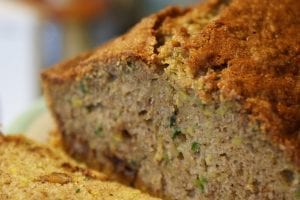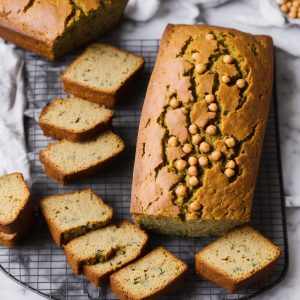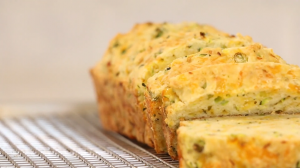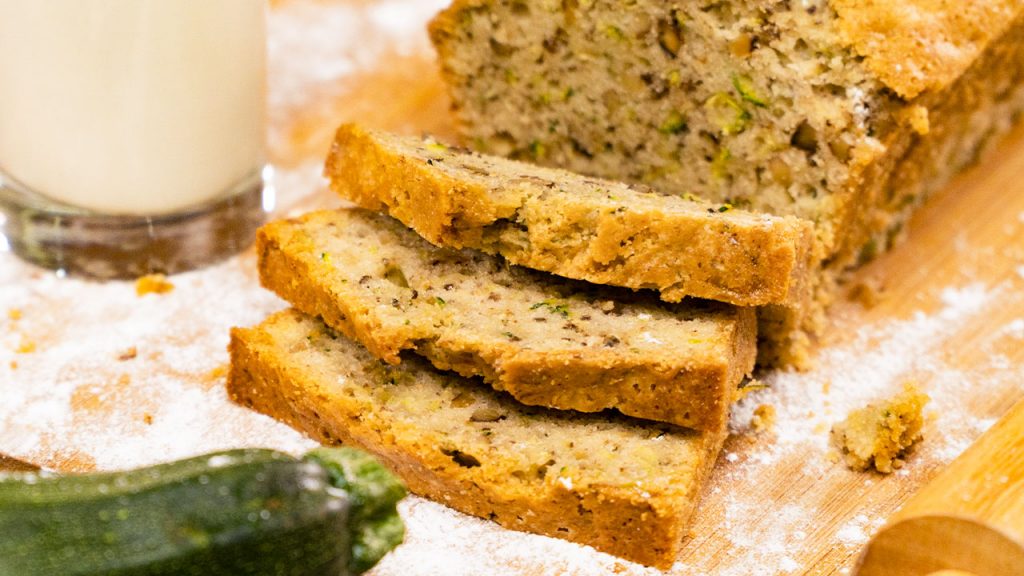
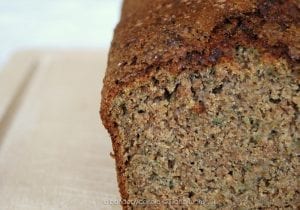
Zucchini Bread is a moist, scrumptious treat you can enjoy any time of the day. Like bananas, apples, and carrots, zucchini is one of those healthy add-ons to a well-known dessert. This recipe is jam-packed with a few different spices like nutmeg, cinnamon, ginger, and all-spice that would subdue the zucchini flavor. You would barely taste the zucchini at all! So, why add zucchini? It’s the secret in making your bread so moist. Zucchini is packed with water that it essentially provides rich moisture to your bread.
Now, there’s no need to be intimidated by the number of ingredients this recipe requires. Rest assured, the outcome is worth all the trouble. A way to lighten your load is to prep your ingredients ahead of time. You can grate your zucchini and place them in the fridge until it’s time to bake. That way, it saves you the hassle and still keeps them fresh.
This zucchini bread recipe is also an opportunity to sneak some vegetables in your children’s food. Sugary yet healthy recipes like these have you worrying less about what goes inside their bodies. We also offer the option of a Crockpot Zucchini Bread for those who are looking for an alternative to the oven. Now let’s head on to the recipe and start baking!

How To Make Zucchini Bread
This zucchini bread is loaded in sugar and spice that would have you sneaking a few bites more!
Ingredients
- 3 cups zucchini, grated
- 4 eggs
- 1¼ cups olive oil
- 2 cups granulated sugar
- 1 tbsp vanilla extract
- 3 cups all-purpose flour
- 2 tsp baking powder
- 1 tsp baking soda
- 1 tsp ground cinnamon
- 1 tsp ground coriander
- ½ tsp salt
- 1 cup walnuts, roasted, chopped
- cooking spray
Instructions
- Preheat your oven to 350 degrees F and grease a large loaf tin or baking casserole with cooking spray.
- Sift together your flour, baking powder, baking soda, cinnamon, coriander, and salt. Set aside.
- In a mixing bowl, cream together the oil and sugar for roughly 8 to 10 minutes or until pale.
- Add the eggs and vanilla then continue creaming.
- Fold in your sifted flour mixture into your wet mixture until evenly incorporated.
- Lastly, fold in your zucchini and nuts into your batter mixture until evenly incorporated.
- Transfer your batter mixture into your loaf tin or baking casserole.
- Lightly tap to release any air bubbles and transfer to the oven.
- Bake for roughly 1 hour, or until a cake tester comes out clean.
- Once the bread is done baking, take it out of the oven and place them on cooling racks and let them sit until completely cooled down. Serve and enjoy!
Nutrition
- Sugar: 53g
- :
- Calcium: 55mg
- Calories: 574kcal
- Carbohydrates: 94g
- Cholesterol: 61mg
- Fat: 19g
- Fiber: 5g
- Iron: 3mg
- Potassium: 316mg
- Protein: 11g
- Saturated Fat: 2g
- Sodium: 337mg
- Vitamin A: 158IU
- Vitamin C: 6mg
Was this page helpful?
Frequently Asked Questions
I don’t have an 8×4 inch loaf pan. What other pan sizes can I use for zucchini bread?
You can also use one 9×5 inch loaf pan, a standard size used for banana or carrot bread.
What is applesauce?
Applesauce is made from cooked down apples using water or apple cider. It can be a great replacement for oil or butter and keeps moisture at bay.
What is wheat flour?
Wheat flour contains gluten that is able to hold the structure of the bread, especially with this recipe’s moisture content. We suggest trying our gluten-free crockpot bread recipe if you’re looking for gluten-free bread.
Conclusion
This zucchini bread recipe promises a soft and moist bread. The subtle taste of zucchini is paired with a variety of spices, applesauce, and nuts for a bit of crunch creating a world of flavors. You’ll definitely want to make more of these!Have your own special recipe to share? Submit Your Recipe Today!
Related Recipes