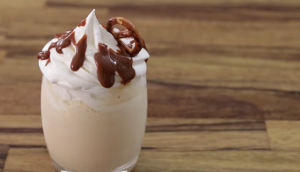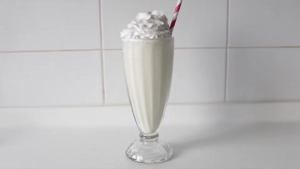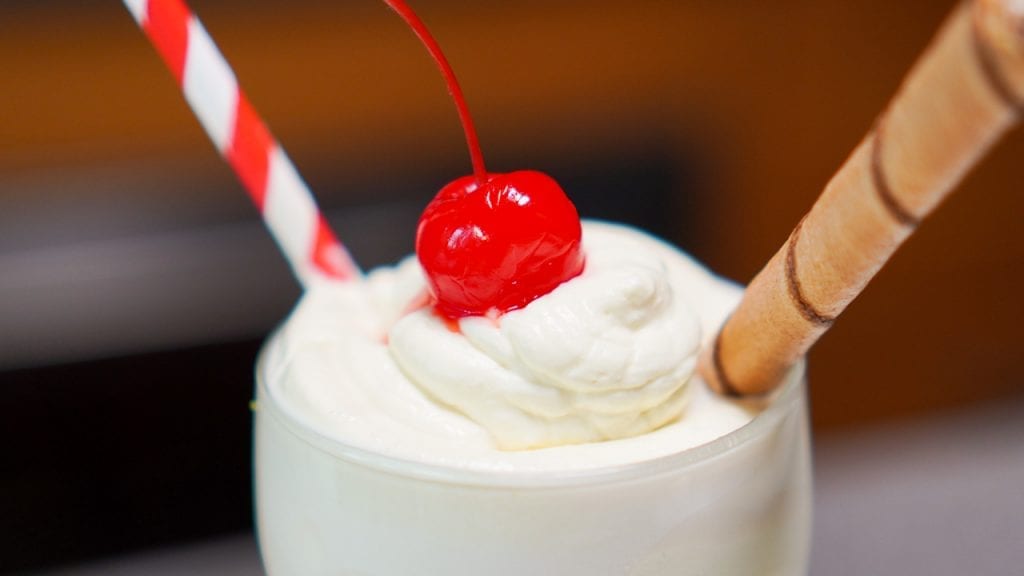
Who says plain, simple, and classic are boring? This copycat milkshake recipe is inspired by Steak ‘n Shake’s homemade classic vanilla milkshake. We’re making the perfect go-to cold treat that’s so easy to whip up. So in this recipe, we’re going for a smooth and creamy mix of vanilla ice cream, milk, vanilla extract. We also have a maraschino cherry and wafer straw to finish. In addition, we suggest going wild with flavor ideas for the toppings and mix-ins that go perfectly with our sweet and aromatic vanilla as the base.
Vanilla actually comes from a fruit pod of orchids and is rich in antioxidants. In addition, its aromatic sweet scent and flavor come from a period of curing. Then for perfect food pairings, our vanilla milkshake goes well with Steak ‘n Shake-style French Fries or Steak ‘n Shake-style Garlic Cheeseburger for a tastier and filling meal.
This vanilla milkshake will surely satisfy your sweet tooth and another great thing about it is that it’s fully customizable. In fact, you can play with the milk and ice cream ratio, mix-ins, and toppings. Make it with the kids and they’ll surely have their new favorite sweet drink! Even more, it’s a truly comforting drink after a long day and a delicious way to cool down on a hot sunny day. So make this classic vanilla milkshake Steak ‘n Shake style or make it your own! And lastly, indulge in the goodness of a cold sweet drink flavored by the aromatic and plush vanilla.

How To Make Copycat Steak and Shake Vanilla Milkshake
A quick and simple recipe that serves the best classic vanilla milkshake by blending scoops of vanilla ice cream, milk, and vanilla extract. Then we’re topping it Steak n’ Shake style with some whipped cream and maraschino cherry.
Ingredients
- 4 scoops vanilla ice cream, roughly 3/4 lb in total
- 8 oz whole milk , almond milk or soy milk (alternative)
- 2 tbsp vanilla , extract
- ½ cup whipped cream or non-dairy whipped topping, garnish
- 1 maraschino cherries, if using (see notes)
Instructions
- In a blender, blend the milk of choice and vanilla extract until well-combined.
- Add the ice cream and blend until smooth.
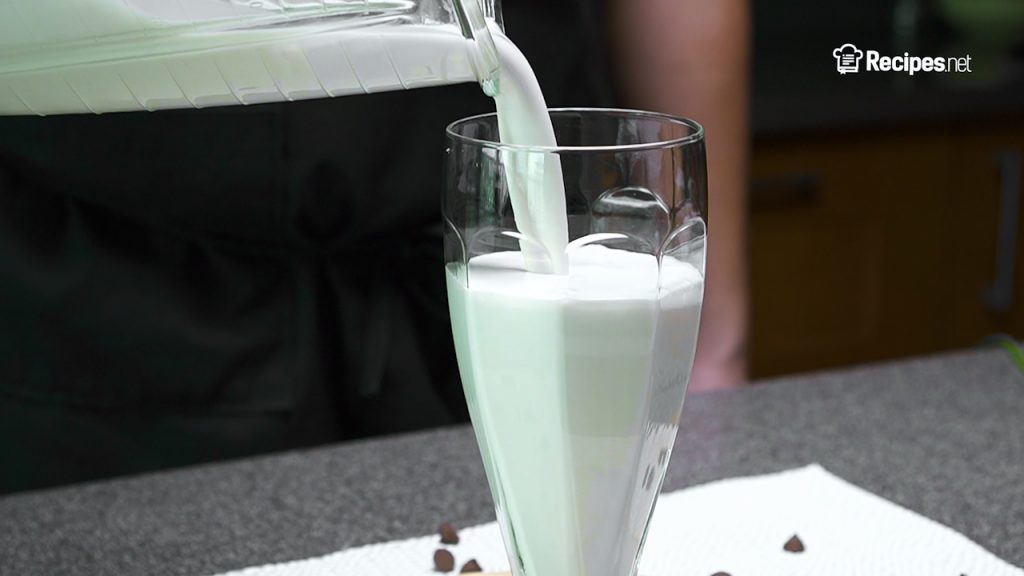
- Pour the milkshake into two small glasses or one jumbo size of your choice.
- Top with whipped cream.
- Add a cherry.
- Serve with a straw.
Nutrition
- Sugar: 38g
- :
- Calcium: 380mg
- Calories: 411kcal
- Carbohydrates: 41g
- Cholesterol: 69mg
- Fat: 19g
- Fiber: 1g
- Iron: 1mg
- Potassium: 515mg
- Protein: 10g
- Saturated Fat: 11g
- Sodium: 185mg
- Vitamin A: 971IU
- Vitamin C: 5mg
Was this page helpful?
Commonly Asked Questions
Can I make my milkshake without a blender?
Of course! Just add your ice cream and milk in a large bowl and use a whisk to mix them well. Once combined, pour it into a glass and that’s it! If you’re mixing in a lot of ingredients into your milkshake and you don’t have a blender, cut them into tiny pieces. Place your mixture in a closed container like a cocktail shaker to shake your mixture well without spilling. Continuously shake your mixture until it’s fully blended and you get that creamy texture. Chill the glass you’ll be using to serve and pour your mixed milkshake. Top with anything you like and enjoy.
What are good mix-ins I can add to my vanilla milkshake?
You have a wide range of choices when it comes to mix-ins for this drink because literally anything goes with it. You can mix it with Oreo crumbs like in this Oreo Milkshake Recipe or add in a chocolate malt mix like our Oreo Malt Recipe. Mix in some brownies, cookie dough, flavored syrup, fruit jam, or even wine. Go crazy on your vanilla milkshake mix-ins and enjoy a cold sweet drink that suits your taste!
Conclusion
You might have missed the National Vanilla Milkshake Day on June 20 but you can totally celebrate it at any day with this quick and easy recipe! It only takes 3 ingredients and 10 minutes of your time to make this delightful sweet cold treat. Reward yourself with this sweet and flavorful cold comfort drink that’s perfect at any time of the year. You can serve this stunningly delicious creamy milkshake at a party or hangout and everyone will surely love it. Enjoy this smooth and creamy classic vanilla milkshake as it is or spice it up with your desired mix-ins and toppings. The choice is yours.Have your own special recipe to share? Submit Your Recipe Today!
Related Recipes