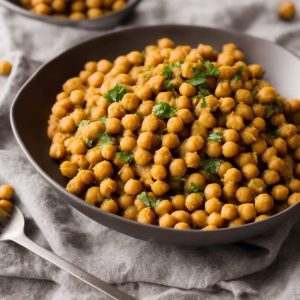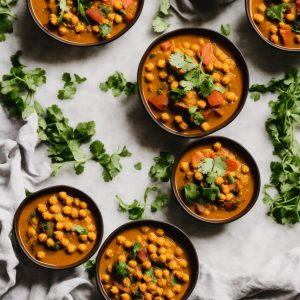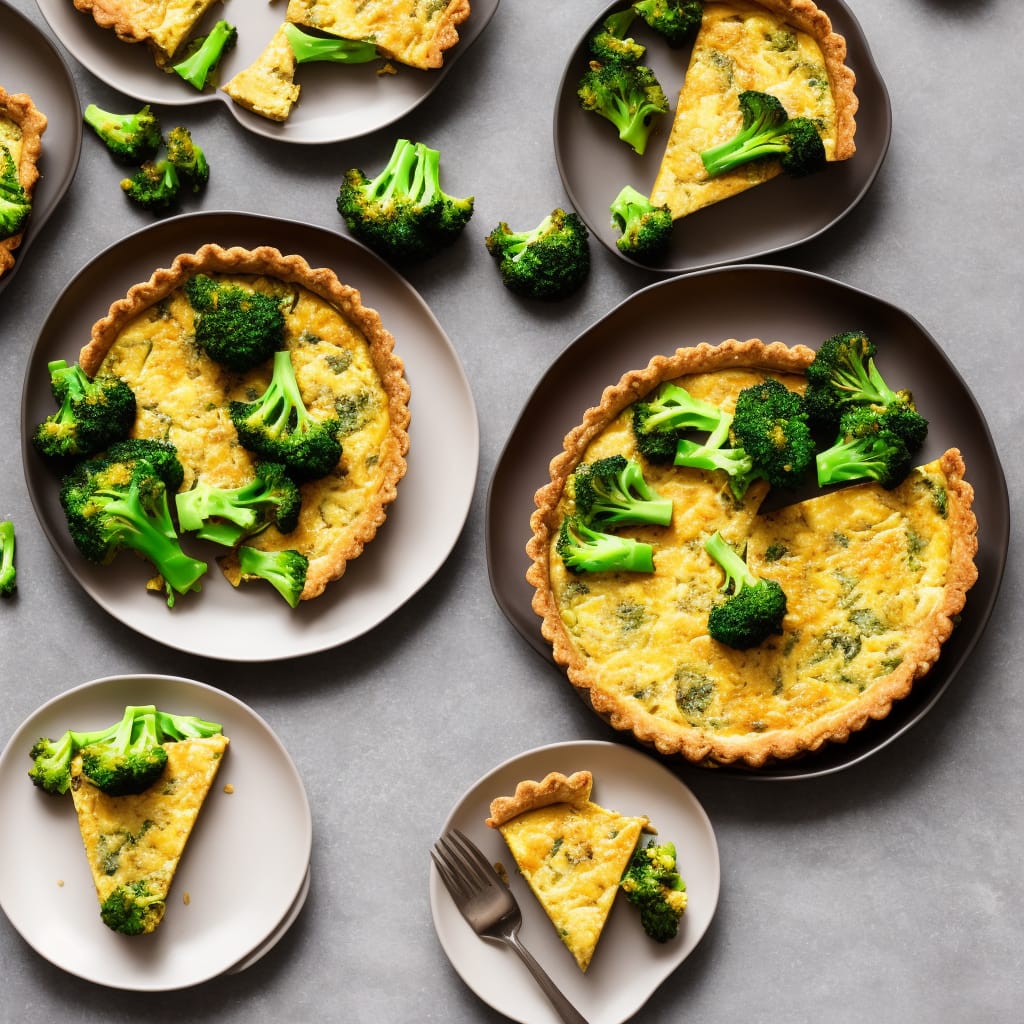
Who says vegetarians don't get to enjoy savory meals? A taste of these authentic vegetarian recipes will make you change your mind. So, you just might want to go vegetarian after your first bite.
Read More
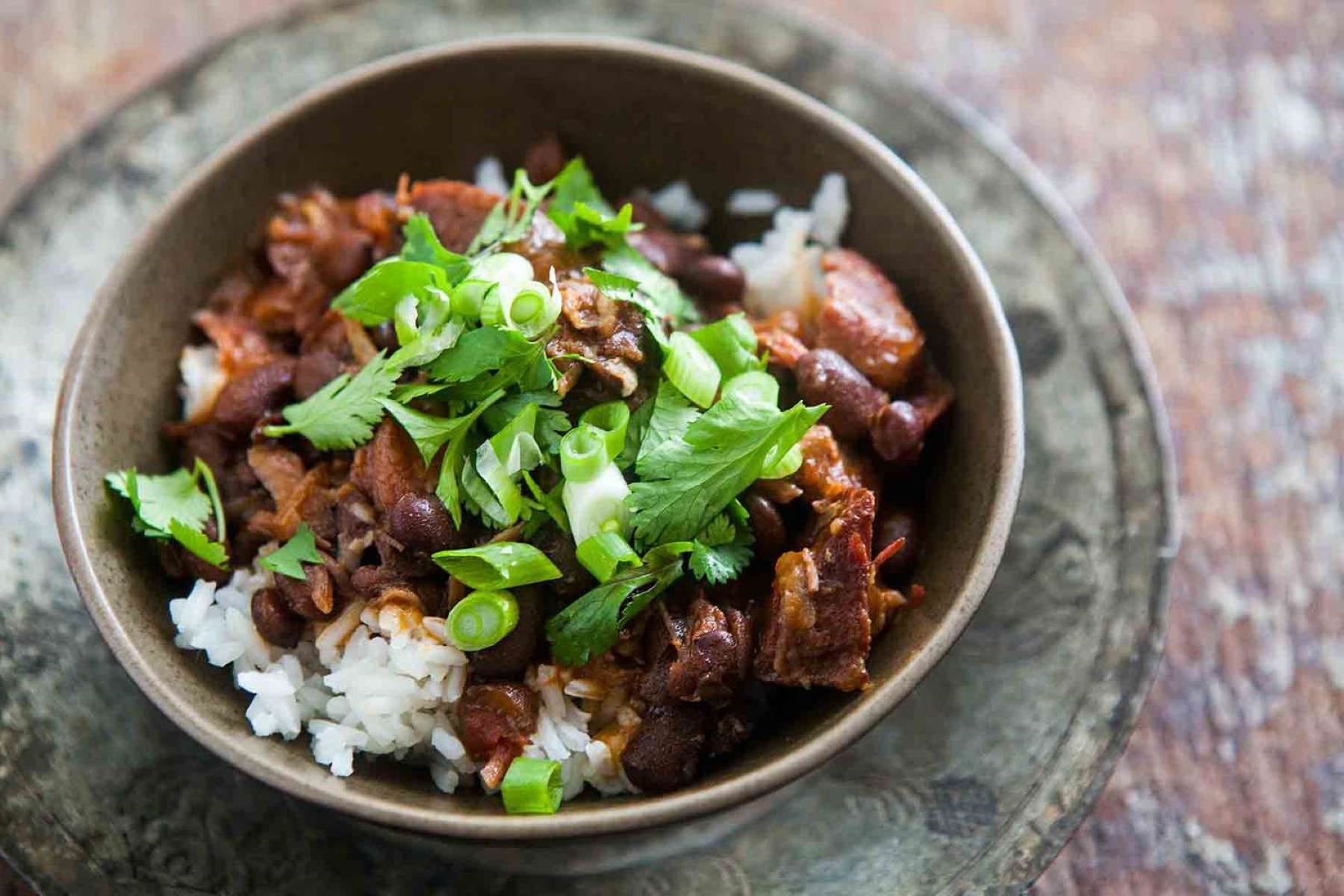
Who says vegetarians don't get to enjoy savory meals? A taste of these authentic vegetarian recipes will make you change your mind. So, you just might want to go vegetarian after your first bite.
Read More
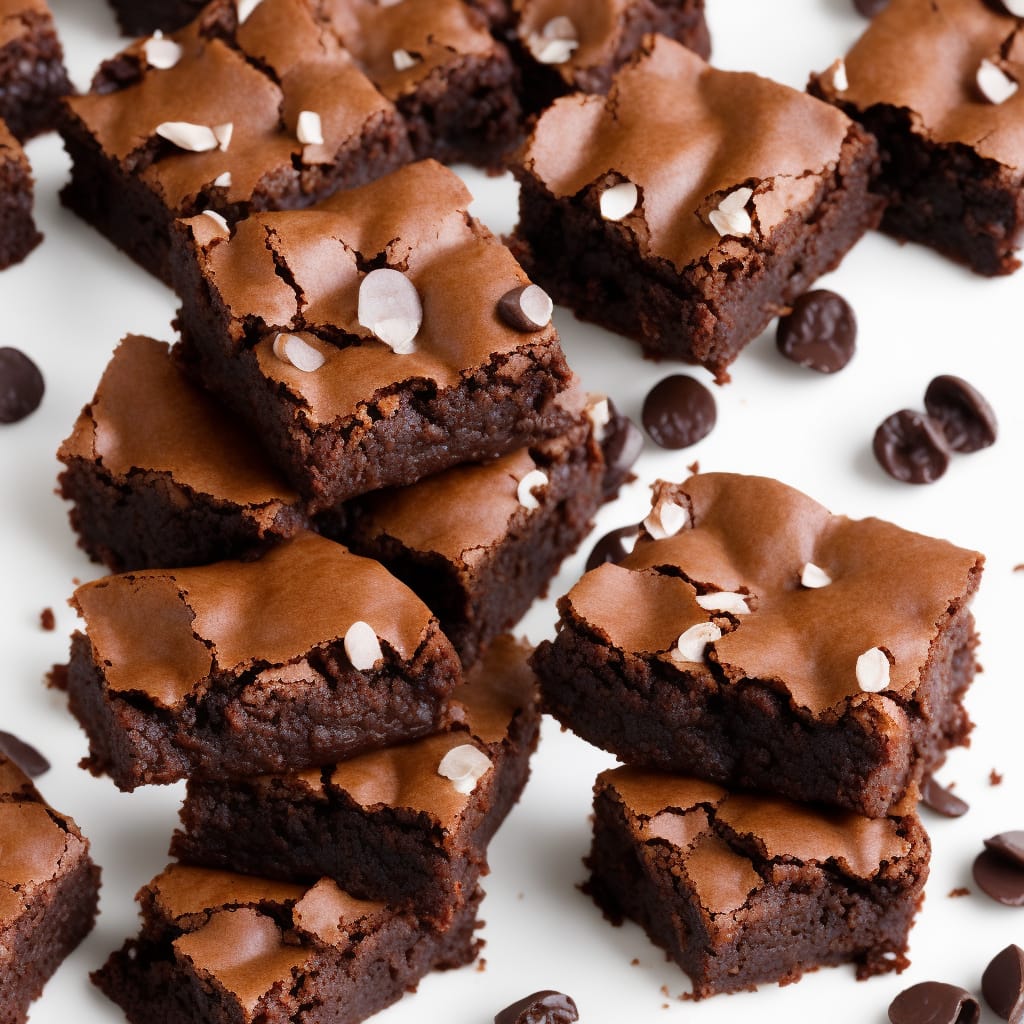
For most people with elevated blood sugar levels, bidding farewell to desserts is a no-brainer. After all, third-course meals that are packed with even more sugar could worsen a diabetic's health condition. But did you know that you don't have to completely quit sweet treats, even if you're on a restricted diet? Check out these diabetic dessert recipes for a quick cheat sheet of safe dishes to prepare!
Read More
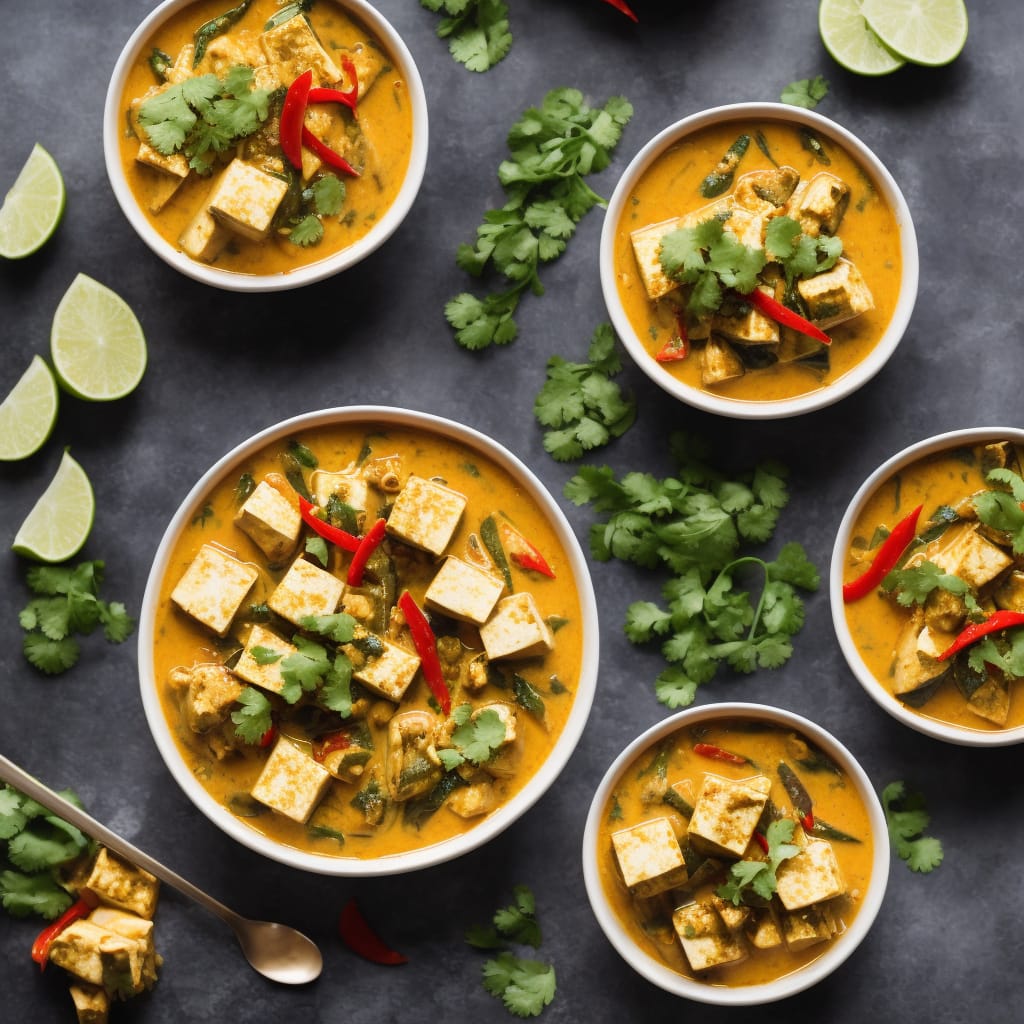
Who says vegetarians don't get to enjoy savory meals? A taste of these authentic vegetarian recipes will make you change your mind. So, you just might want to go vegetarian after your first bite.
Read More
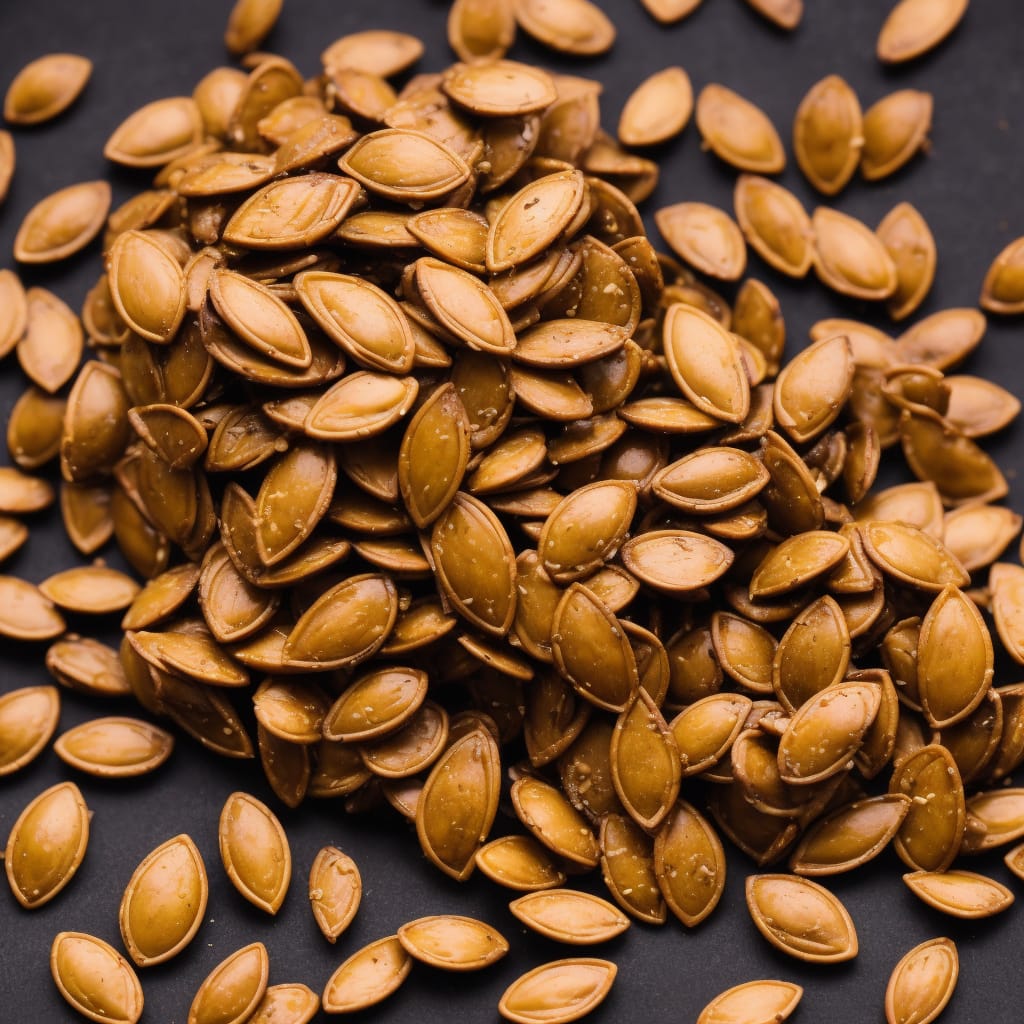
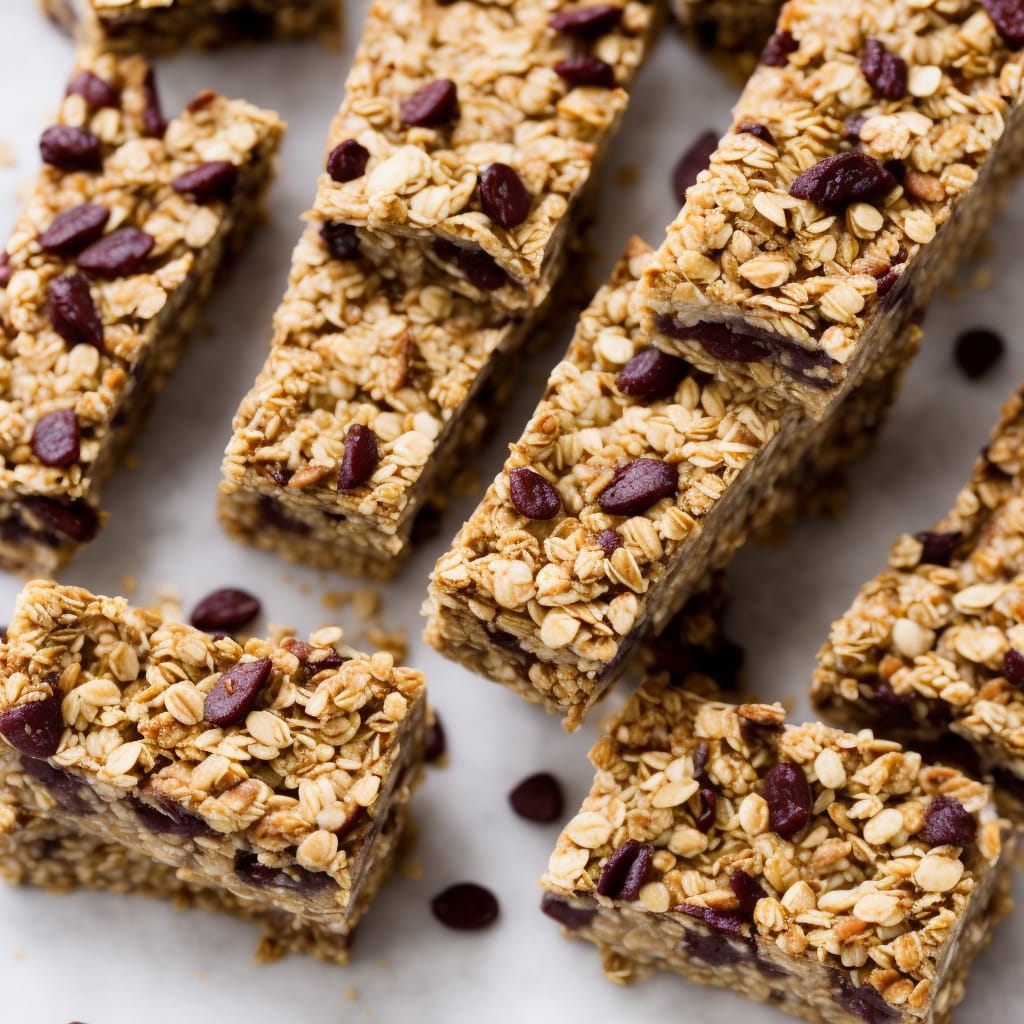
Meal options can indeed be limiting for those with a special low-sugar diet. Having only a few meal options throughout the day, we can't blame you if you get tired of the usual rotation. That's why we're here to let you in on some of the best diabetic breakfast recipes to try. Because there are other ways of getting your fill of energy besides packing on the sugar. Start your day with fun-flavored oatmeal, pumpkin bread, granola cups, and more!
Read More
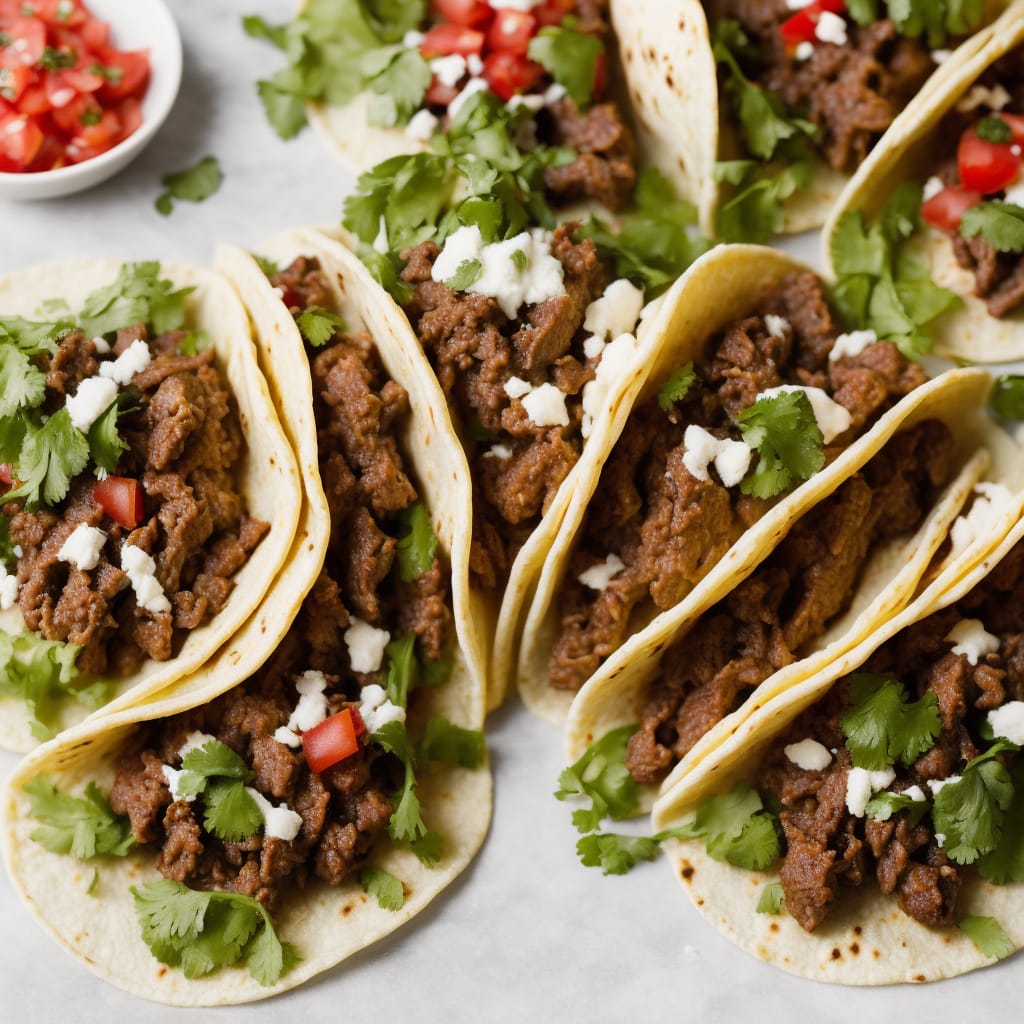
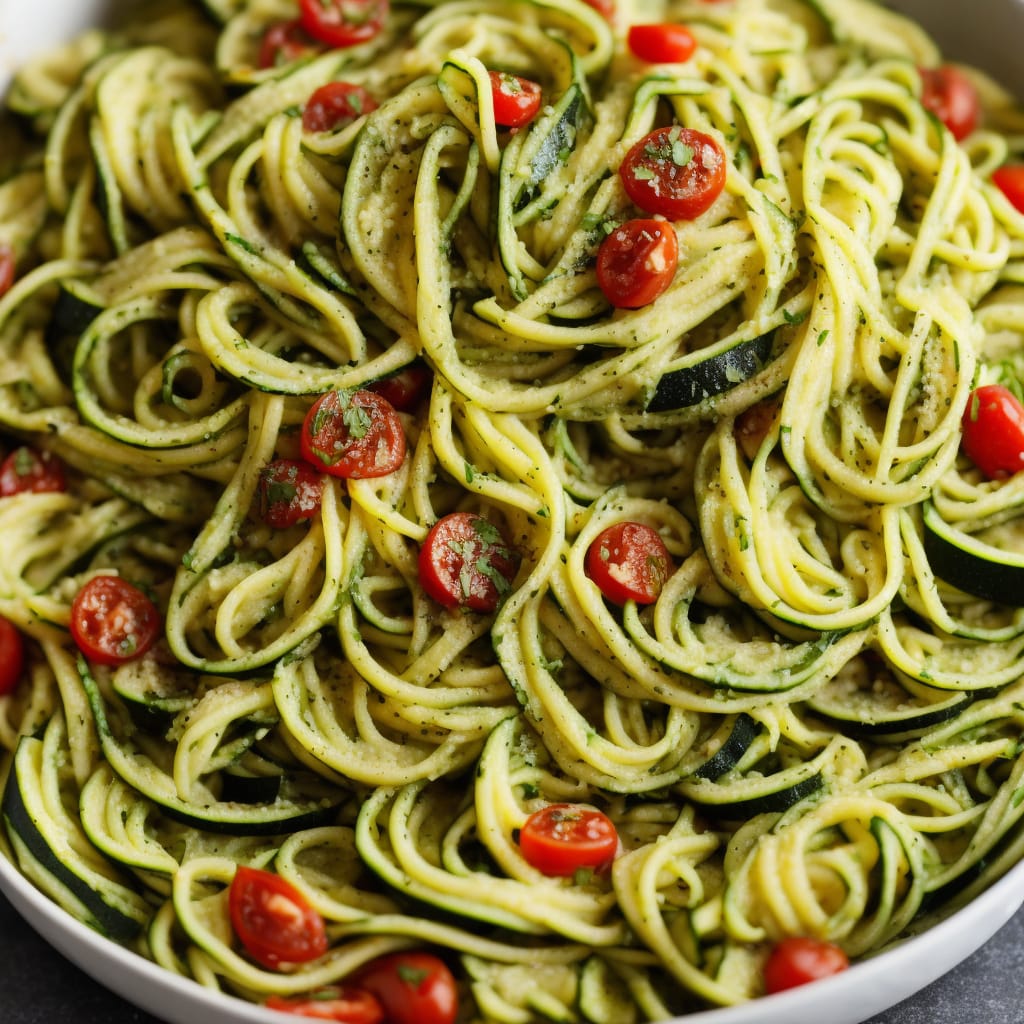
On a strict diet? Changing your eating habits? Don't worry! You can still have delicious meals for breakfast, lunch, and dinner without breaking your diet. Check out our low carb recipes for some tasty yet healthy meals!
Read More
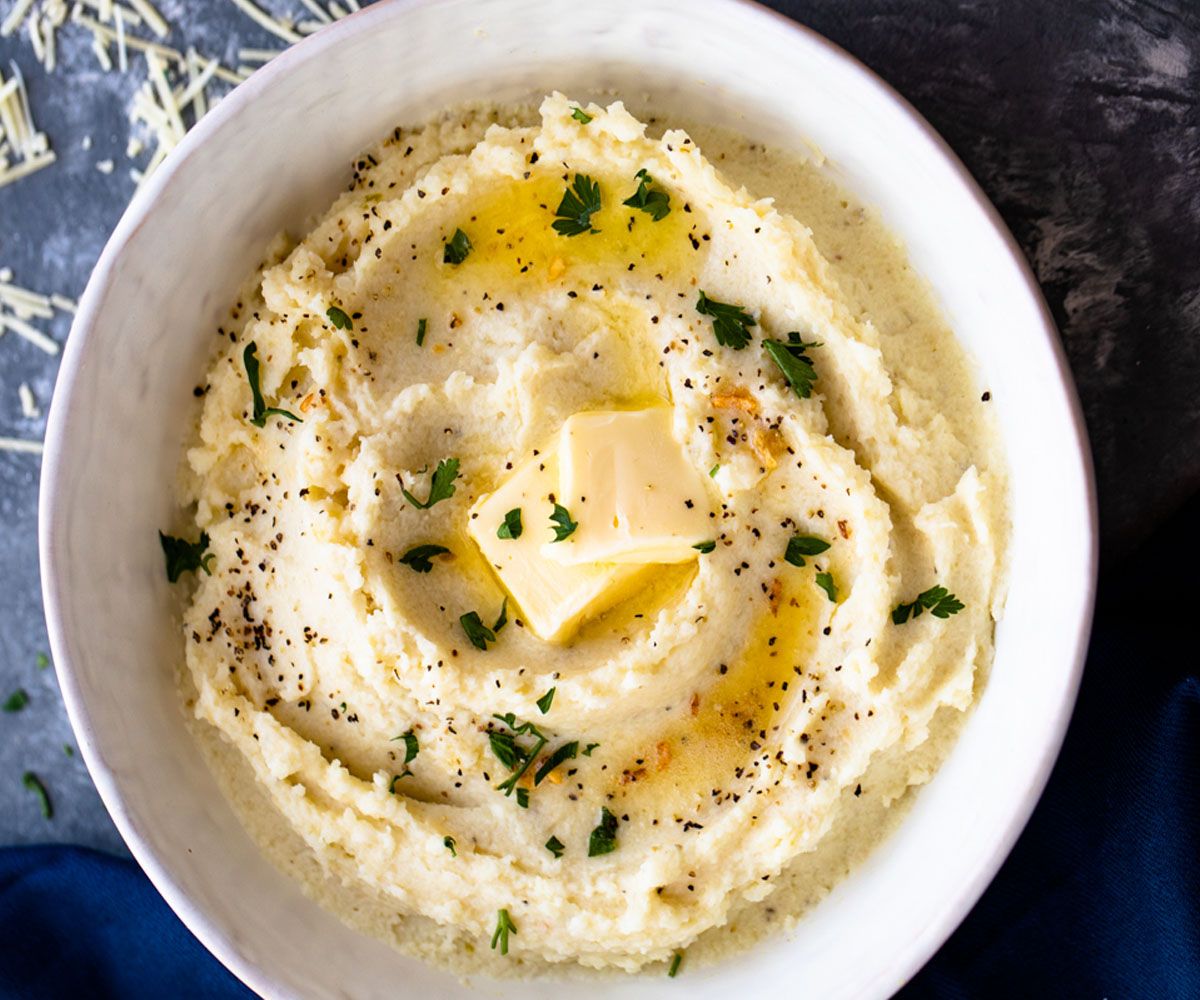
On a strict diet? Changing your eating habits? Don't worry! You can still have delicious meals for breakfast, lunch, and dinner without breaking your diet. Check out our low carb recipes for some tasty yet healthy meals!
Read More
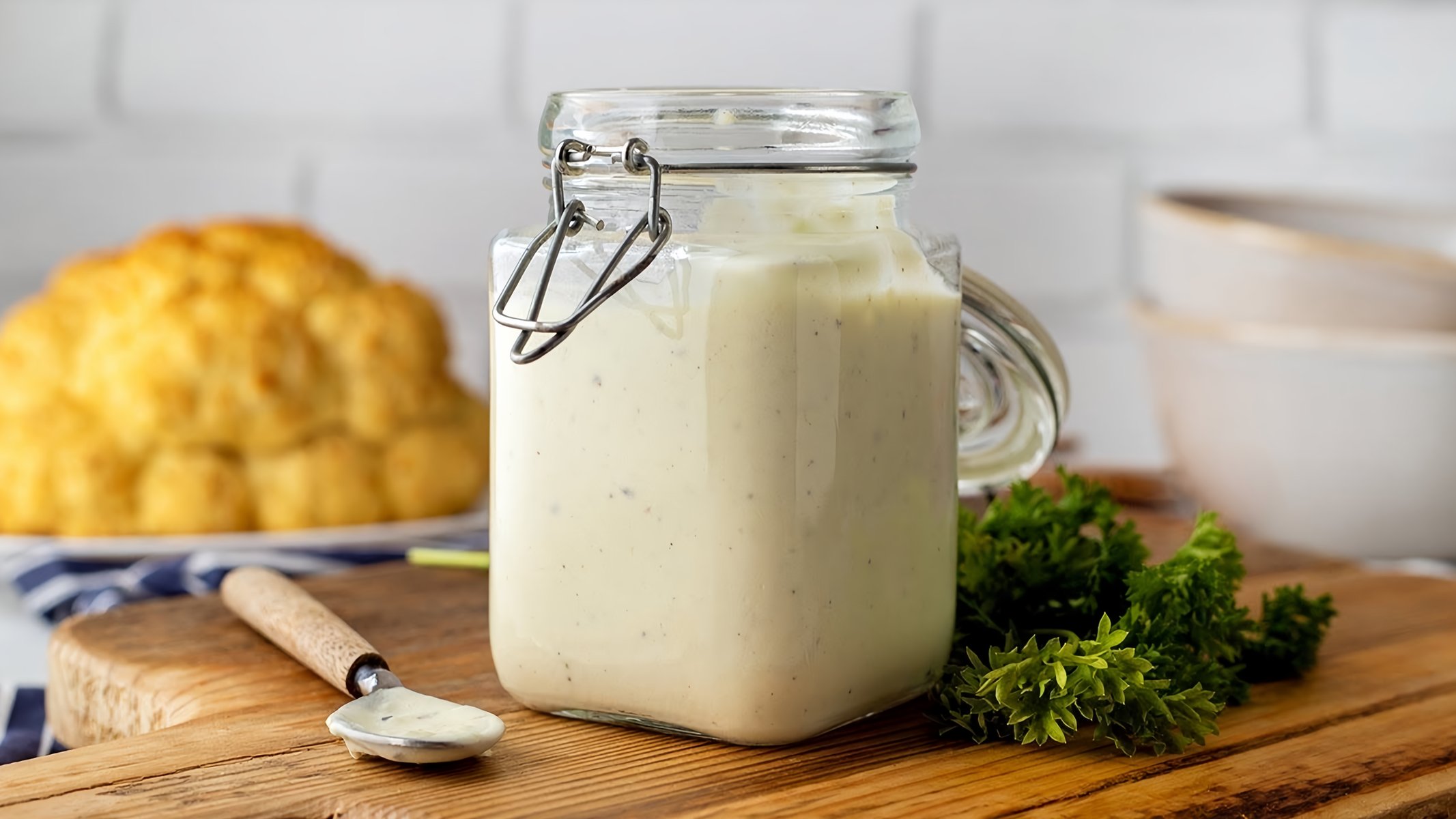
If you've been watching those calories and protein for your health, then these keto recipes are for you. Just because you're keeping shape, doesn't mean you have to miss out on those appetizing flavors. Enjoy dishes like low-calorie soup, juicy chicken meals, and even decadent desserts! These keto recipes are the key to a happy and healthy eating.
Read More
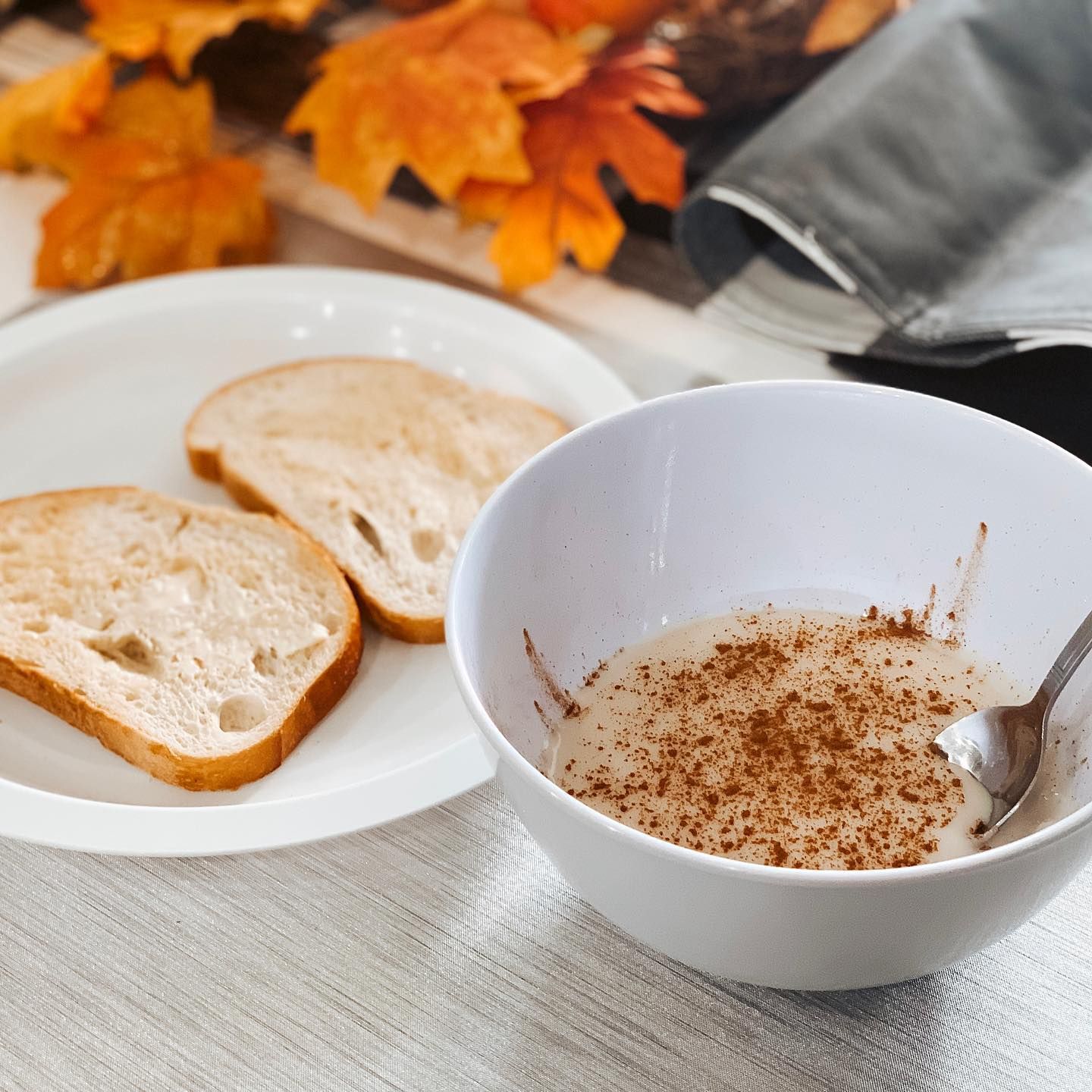
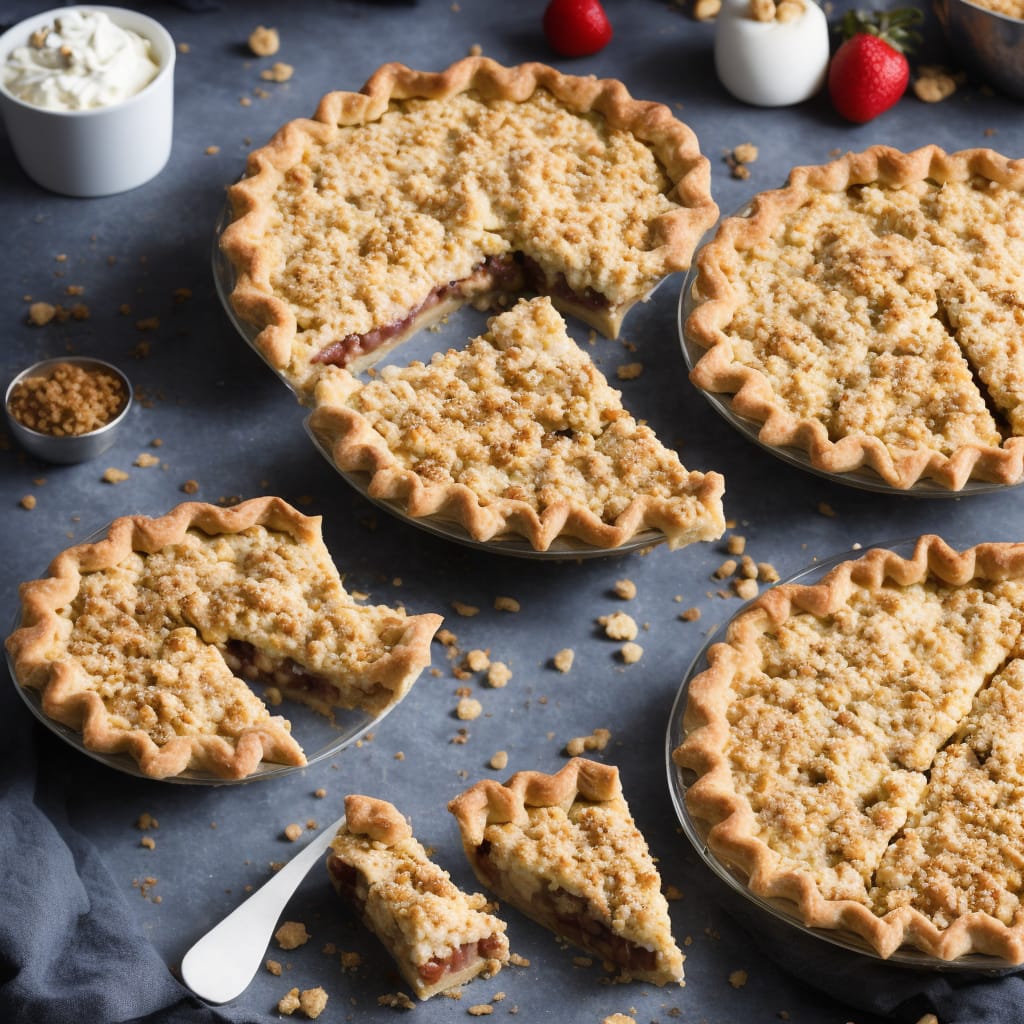
You don't have to serve bland food just because you're cooking for people with diabetes. You just need a little imagination to come up with easy-to-cook yet scrumptious dishes for diabetics! Good thing, our diabetic recipes have that and more. With our diabetic recipes, you get healthy yet delicious, mouthwatering diabetic-friendly dishes for breakfast, lunch, and dinner! Try our yummy diabetic recipes and you'll be eating with zero guilt in no time.
Read More

The wait is over for those on a gluten-free diet! You can have enjoyable wheat-free meals with our gluten-free recipes. Help yourself to these guiltless recipes that you can do at any time of the day. For sure, your taste buds will thank you for it. So, don't worry, it’s all gluten-free!
Read More
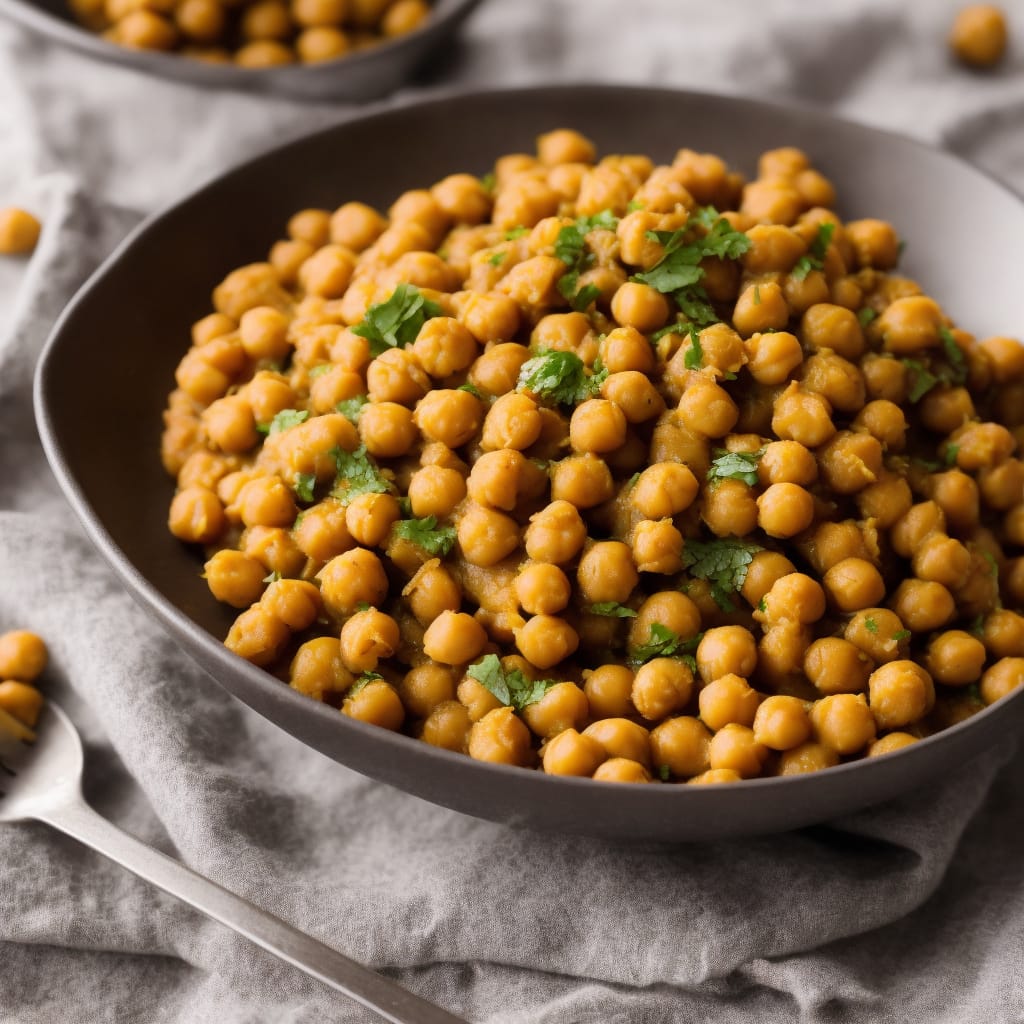
Who says vegetarians don't get to enjoy savory meals? A taste of these authentic vegetarian recipes will make you change your mind. So, you just might want to go vegetarian after your first bite.
Read More
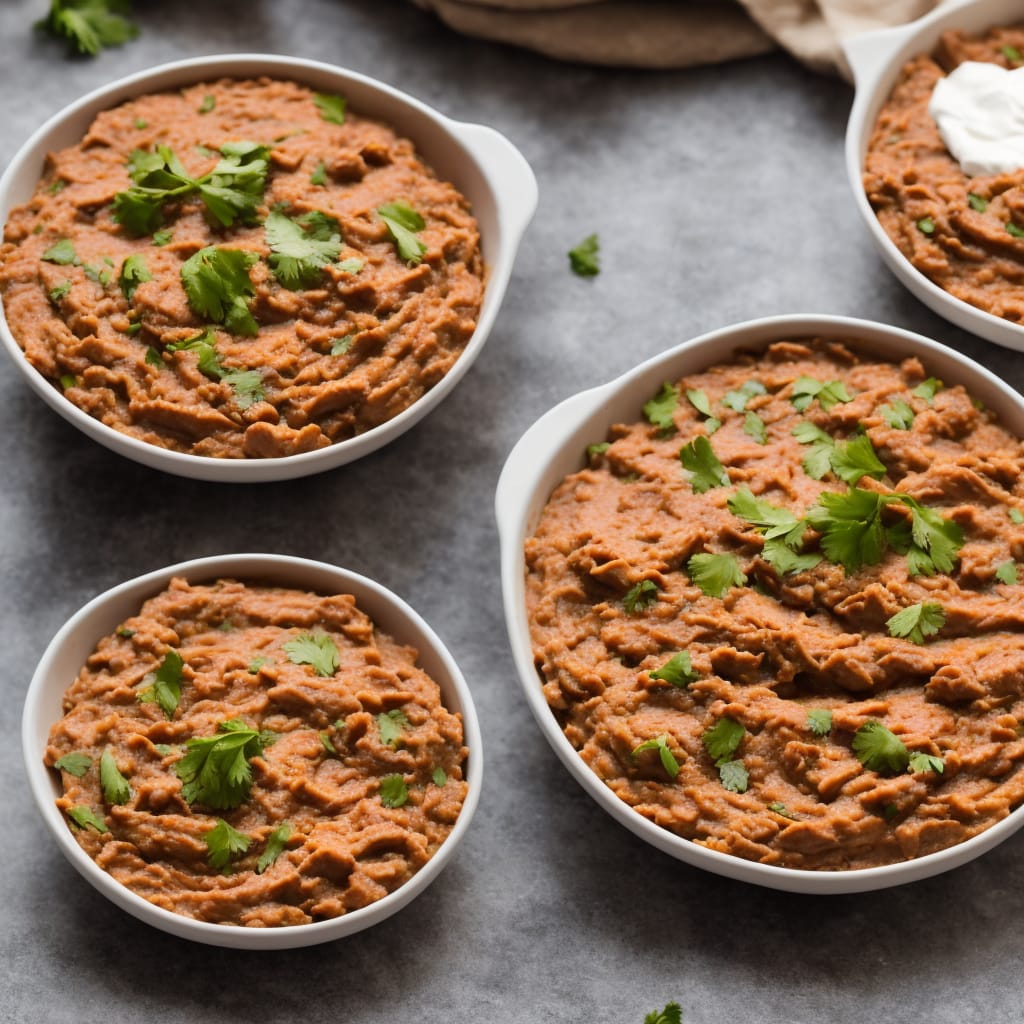
Who says vegetarians don't get to enjoy savory meals? A taste of these authentic vegetarian recipes will make you change your mind. So, you just might want to go vegetarian after your first bite.
Read More

The wait is over for those on a gluten-free diet! You can have enjoyable wheat-free meals with our gluten-free recipes. Help yourself to these guiltless recipes that you can do at any time of the day. For sure, your taste buds will thank you for it. So, don't worry, it’s all gluten-free!
Read More
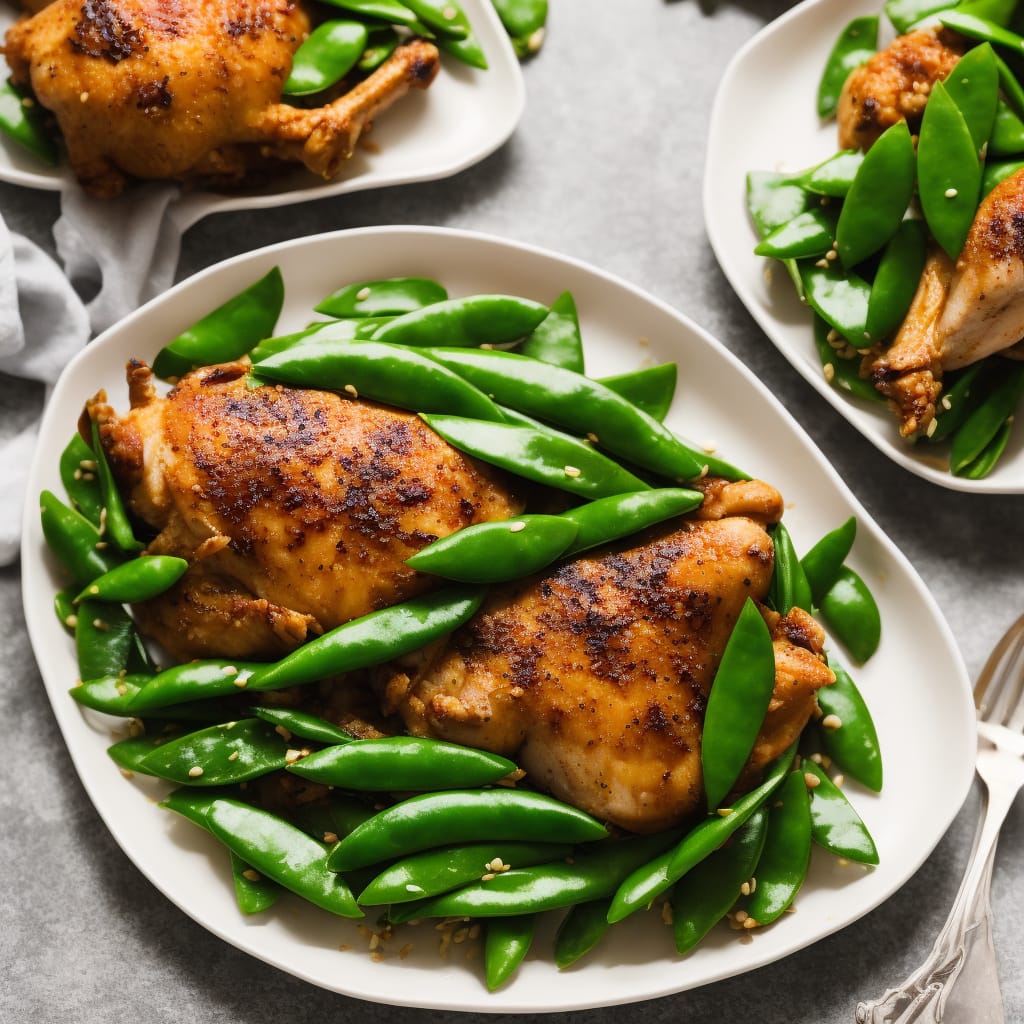
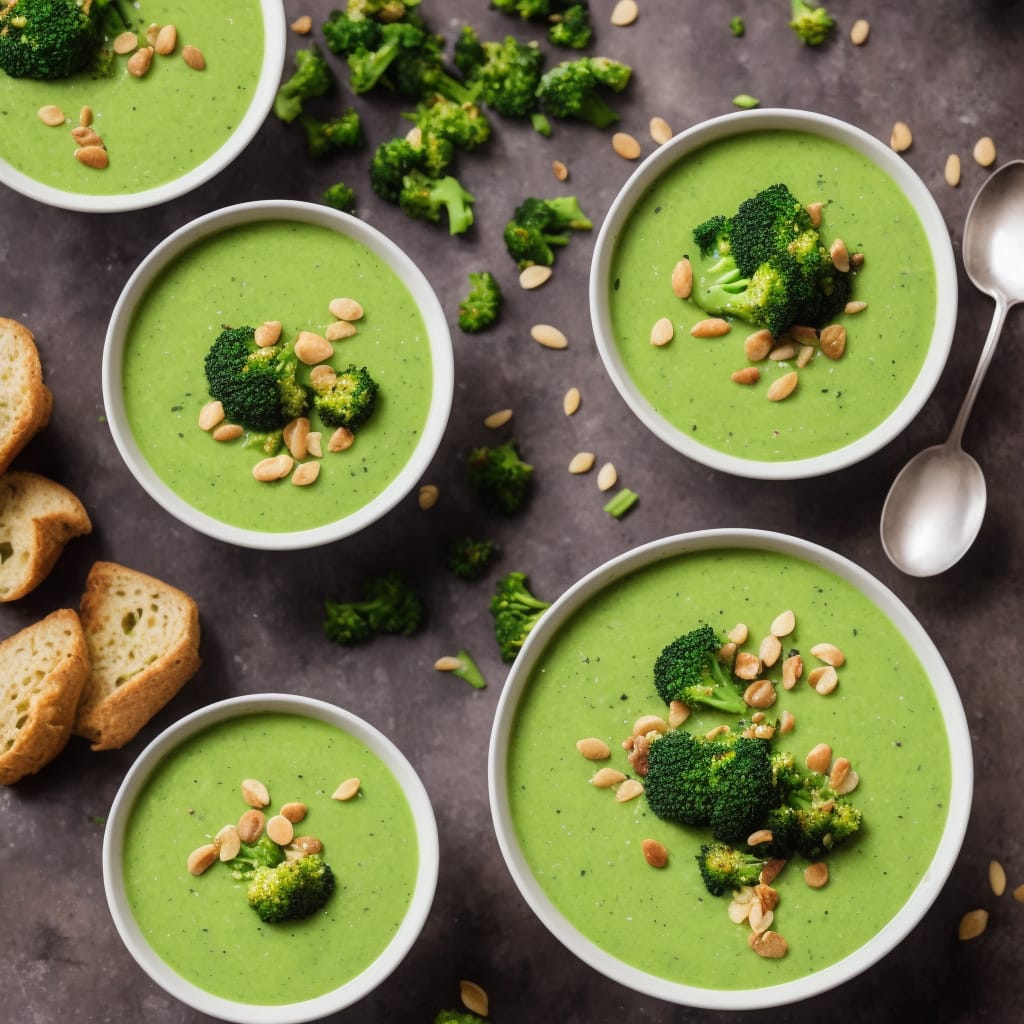
Turning vegan may look challenging for some, especially for those who can't turn their eyes away from meat. But they just haven't found these sumptuous vegan recipes that even non-vegans will surely enjoy!
Read More
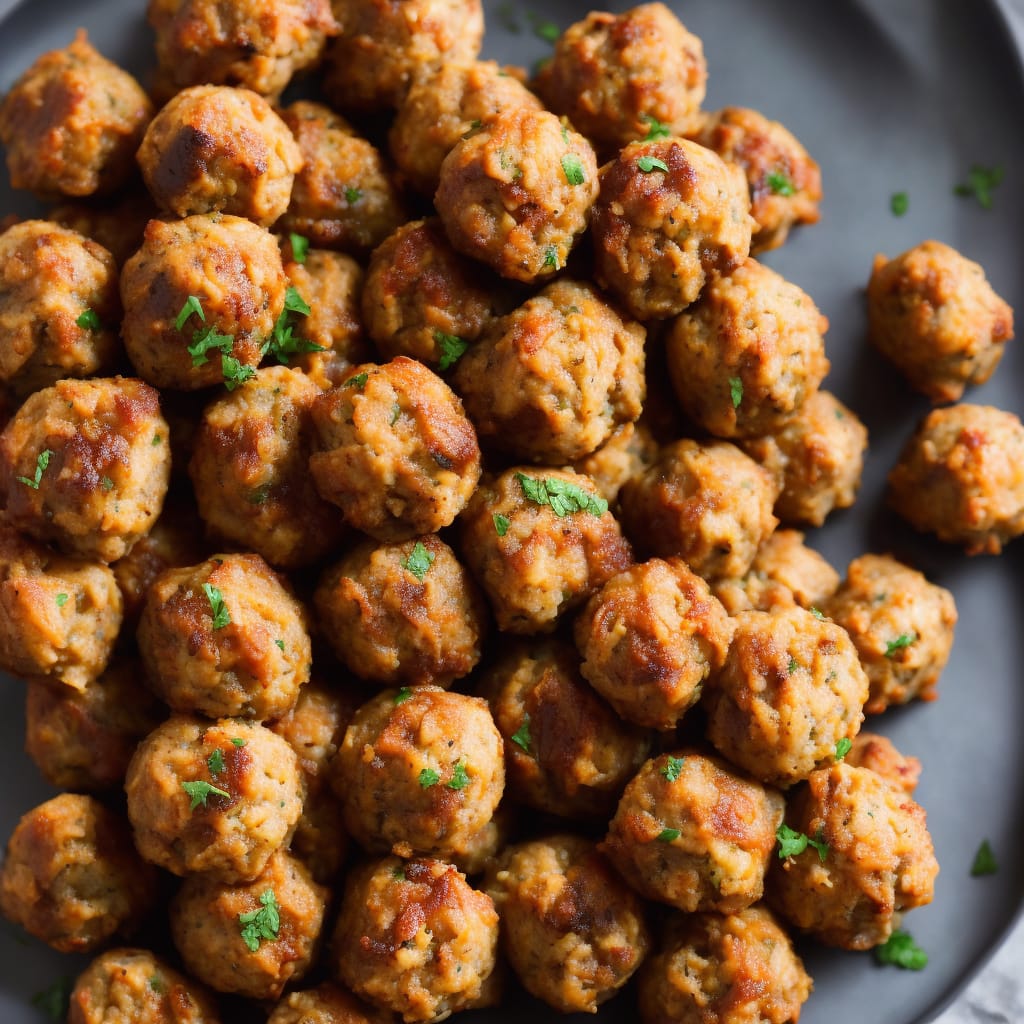
If you've been watching those calories and protein for your health, then these keto recipes are for you. Just because you're keeping shape, doesn't mean you have to miss out on those appetizing flavors. Enjoy dishes like low-calorie soup, juicy chicken meals, and even decadent desserts! These keto recipes are the key to a happy and healthy eating.
Read More

If you've been watching those calories and protein for your health, then these keto recipes are for you. Just because you're keeping shape, doesn't mean you have to miss out on those appetizing flavors. Enjoy dishes like low-calorie soup, juicy chicken meals, and even decadent desserts! These keto recipes are the key to a happy and healthy eating.
Read More
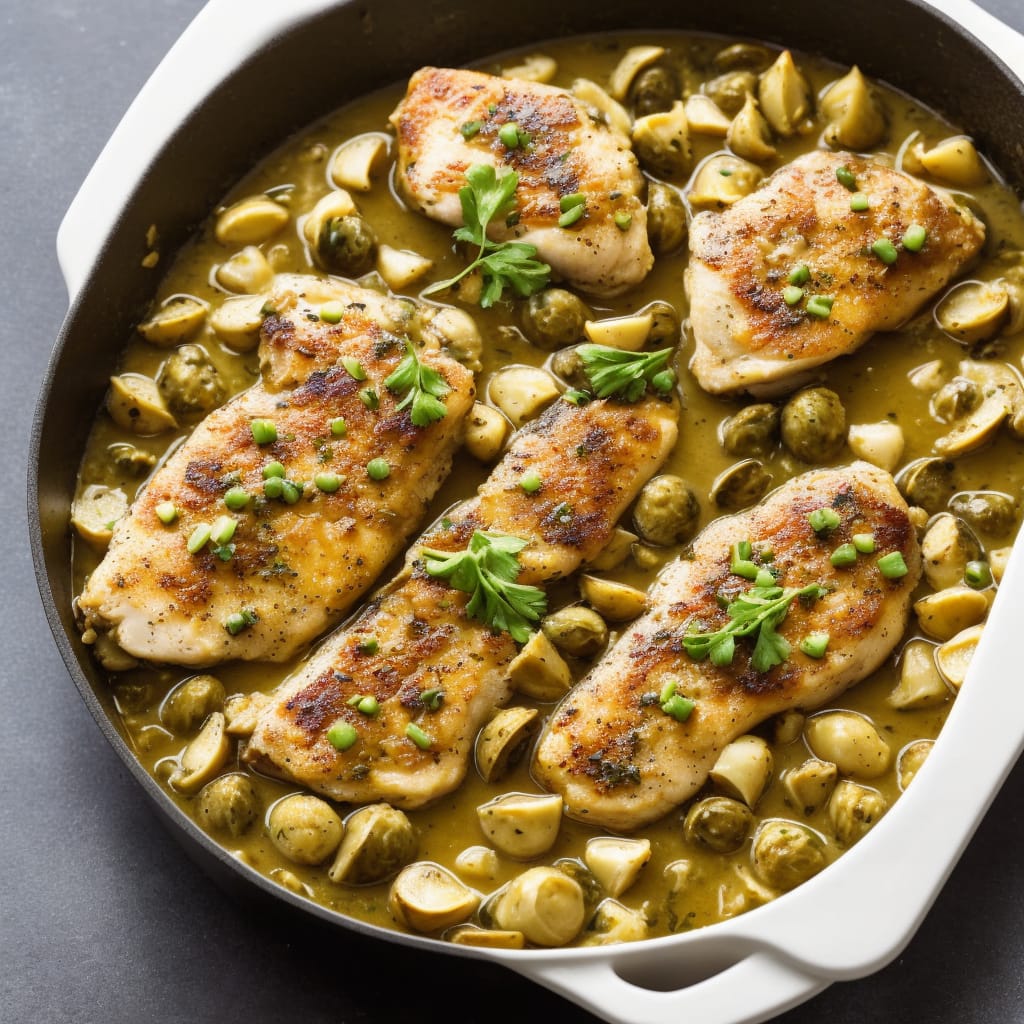

Who says vegetarians don't get to enjoy savory meals? A taste of these authentic vegetarian recipes will make you change your mind. So, you just might want to go vegetarian after your first bite.
Read More
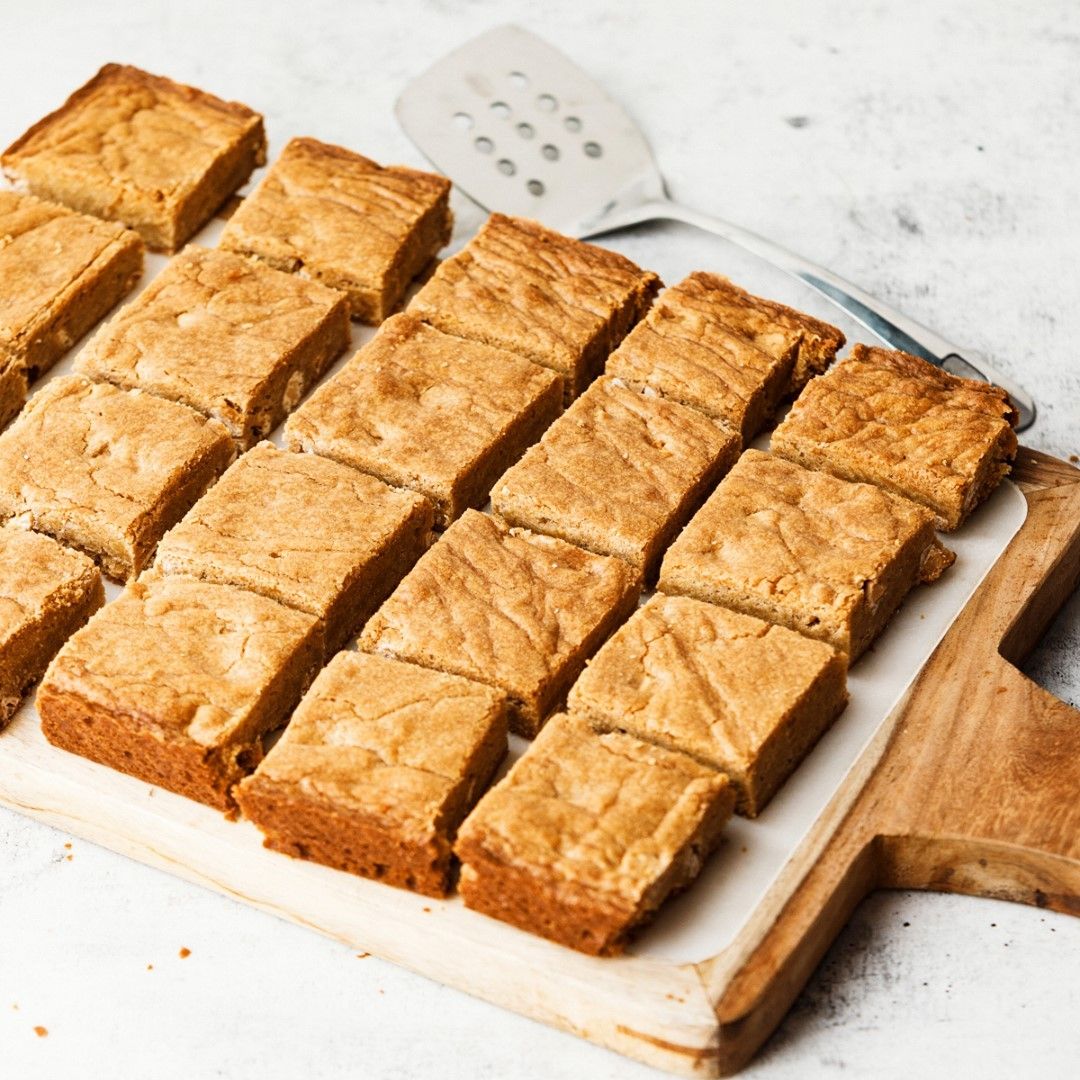
Turning vegan may look challenging for some, especially for those who can't turn their eyes away from meat. But they just haven't found these sumptuous vegan recipes that even non-vegans will surely enjoy!
Read More
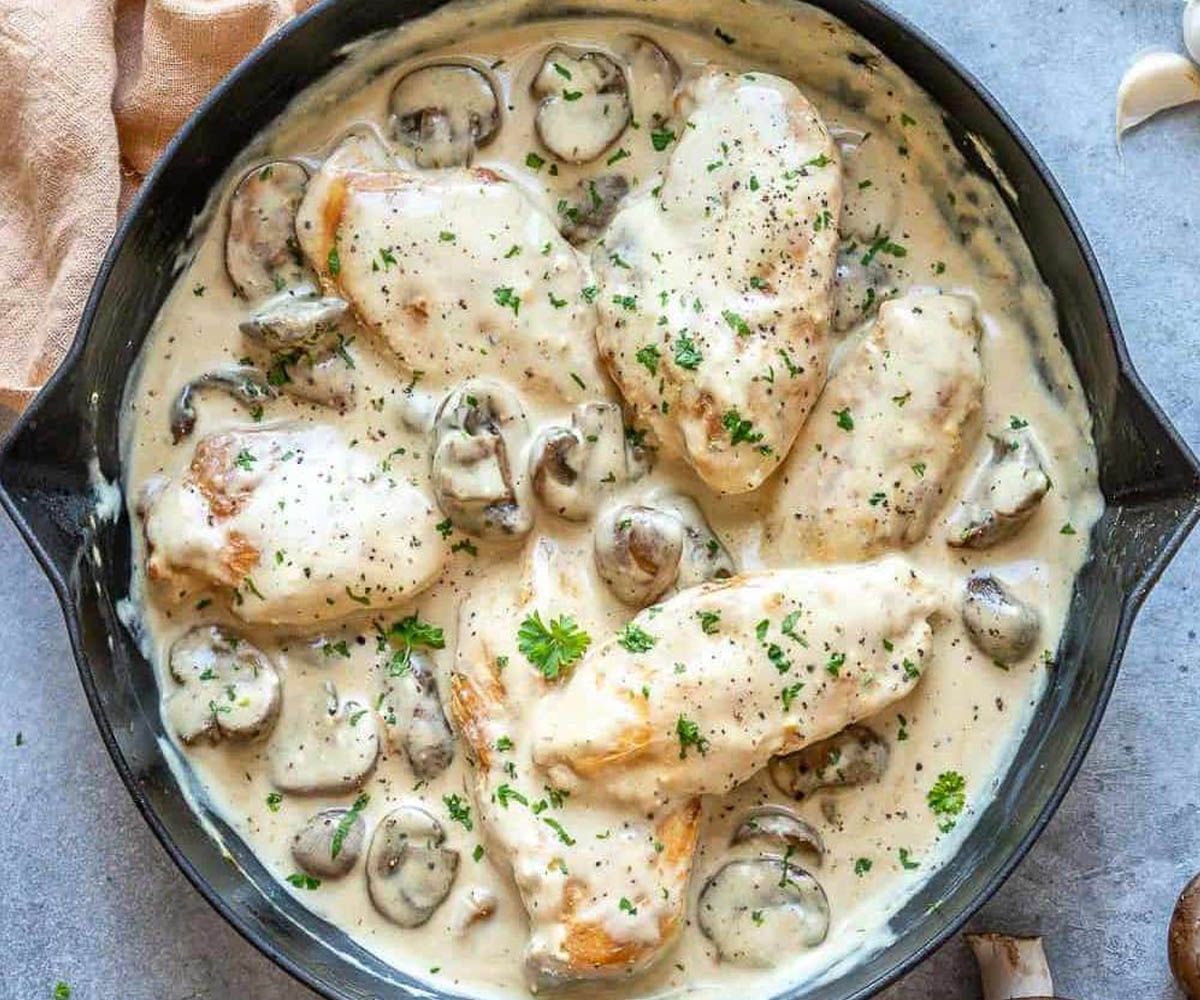
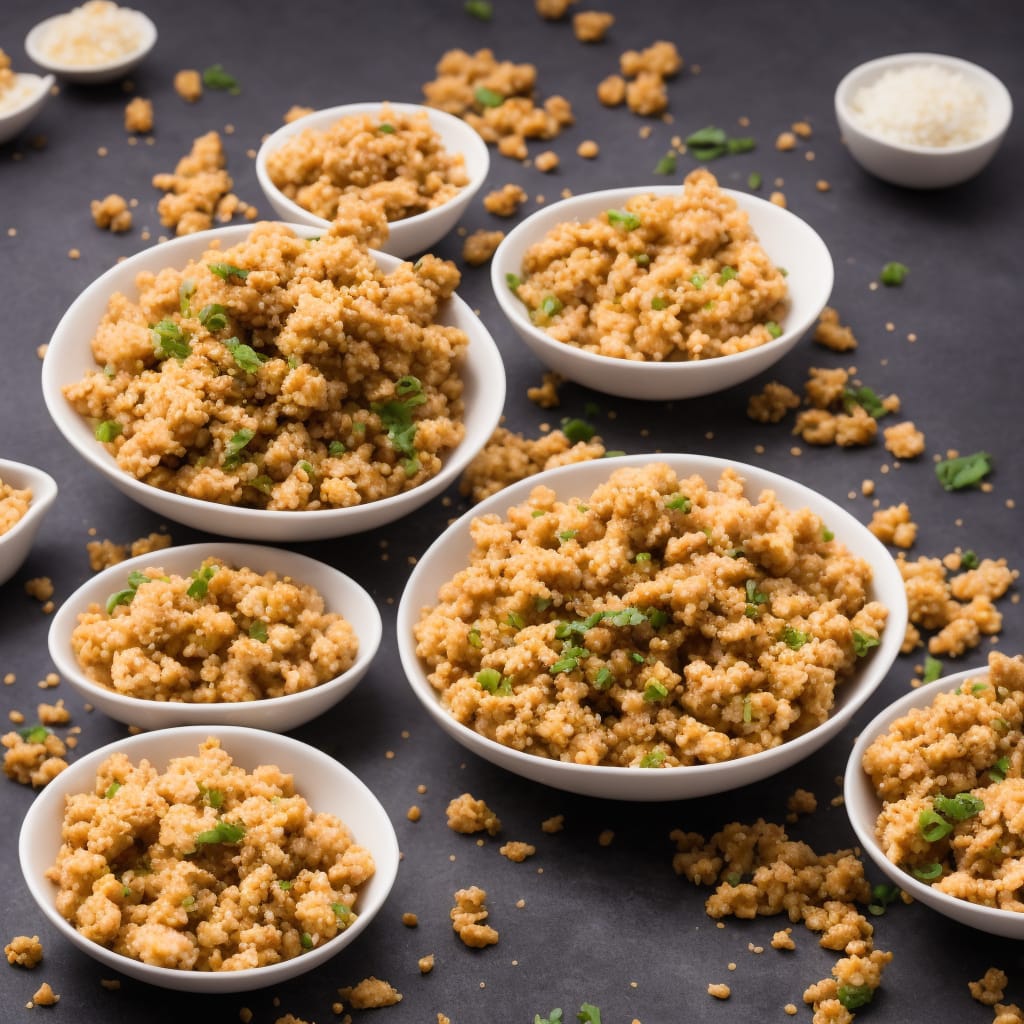
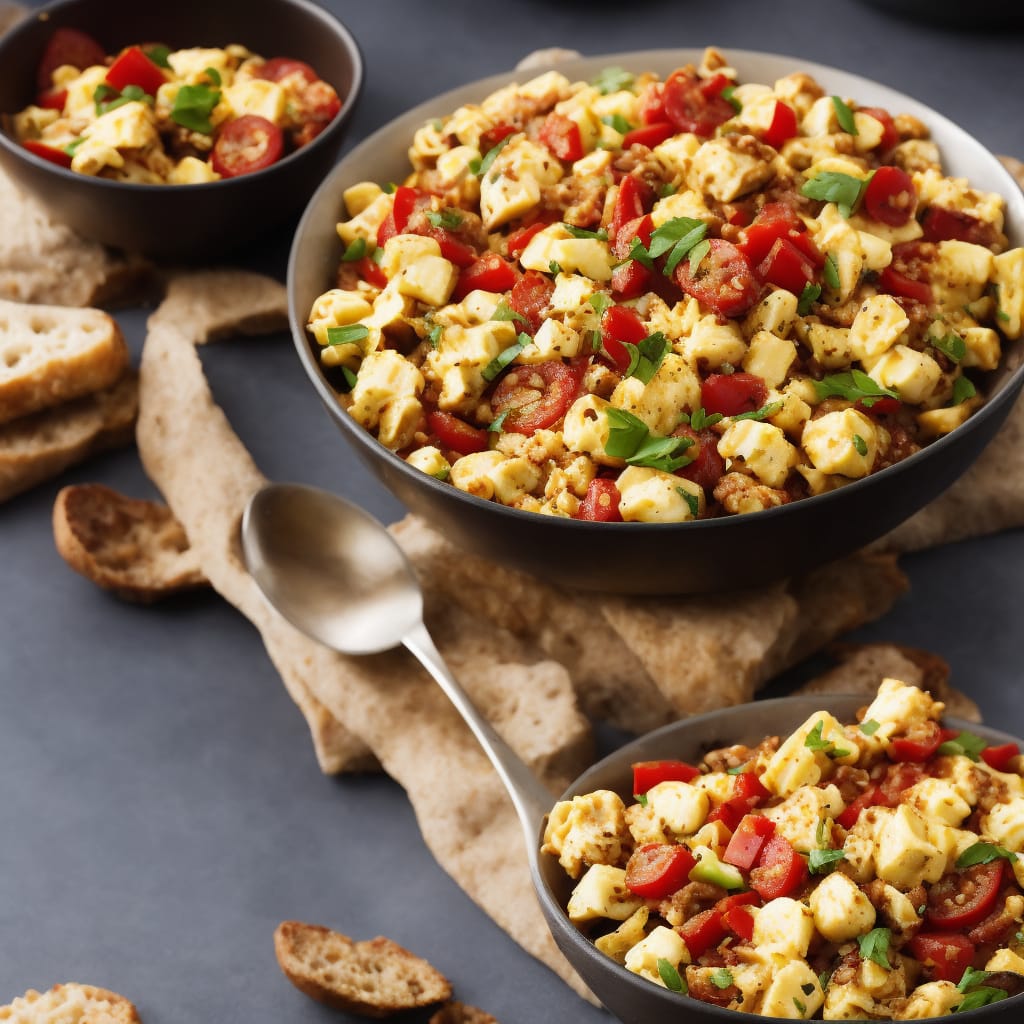

Lactose intolerance shouldn't stop you from enjoying yummy dishes just because it has milk. Good thing our dairy free recipes are here to save the day! Those with dairy allergies or lactose intolerance can just as easily enjoy a delicious meal without worrying about the ingredients. So, what are you waiting for? Try our dairy free recipes now!
Read More
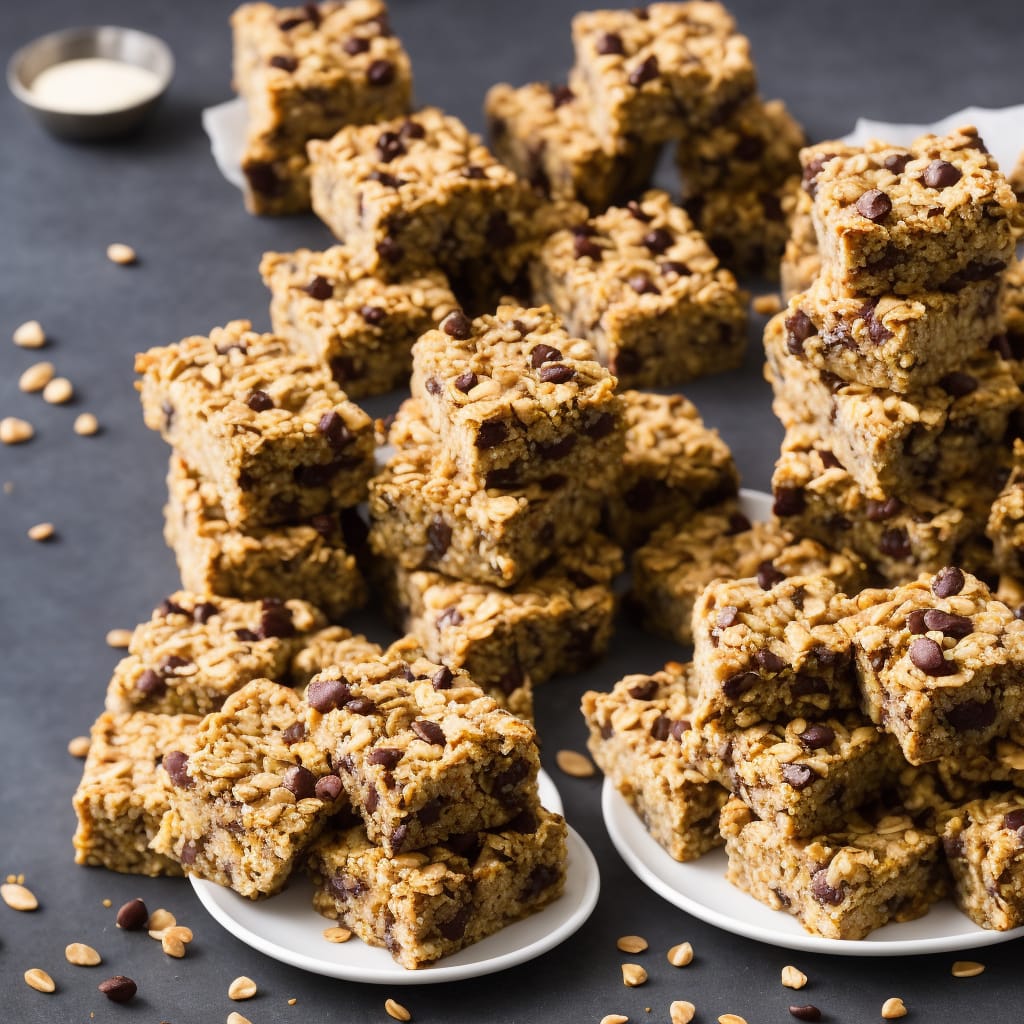
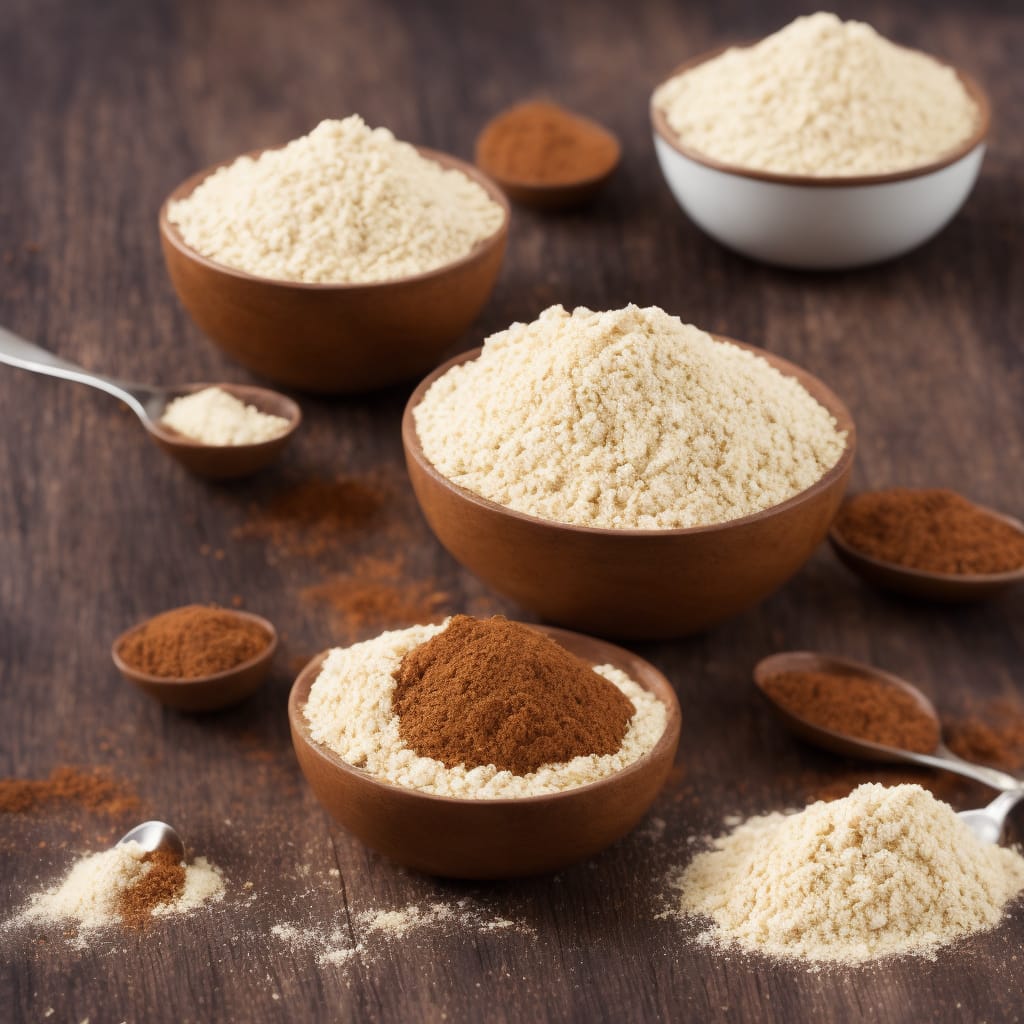
The wait is over for those on a gluten-free diet! You can have enjoyable wheat-free meals with our gluten-free recipes. Help yourself to these guiltless recipes that you can do at any time of the day. For sure, your taste buds will thank you for it. So, don't worry, it’s all gluten-free!
Read More
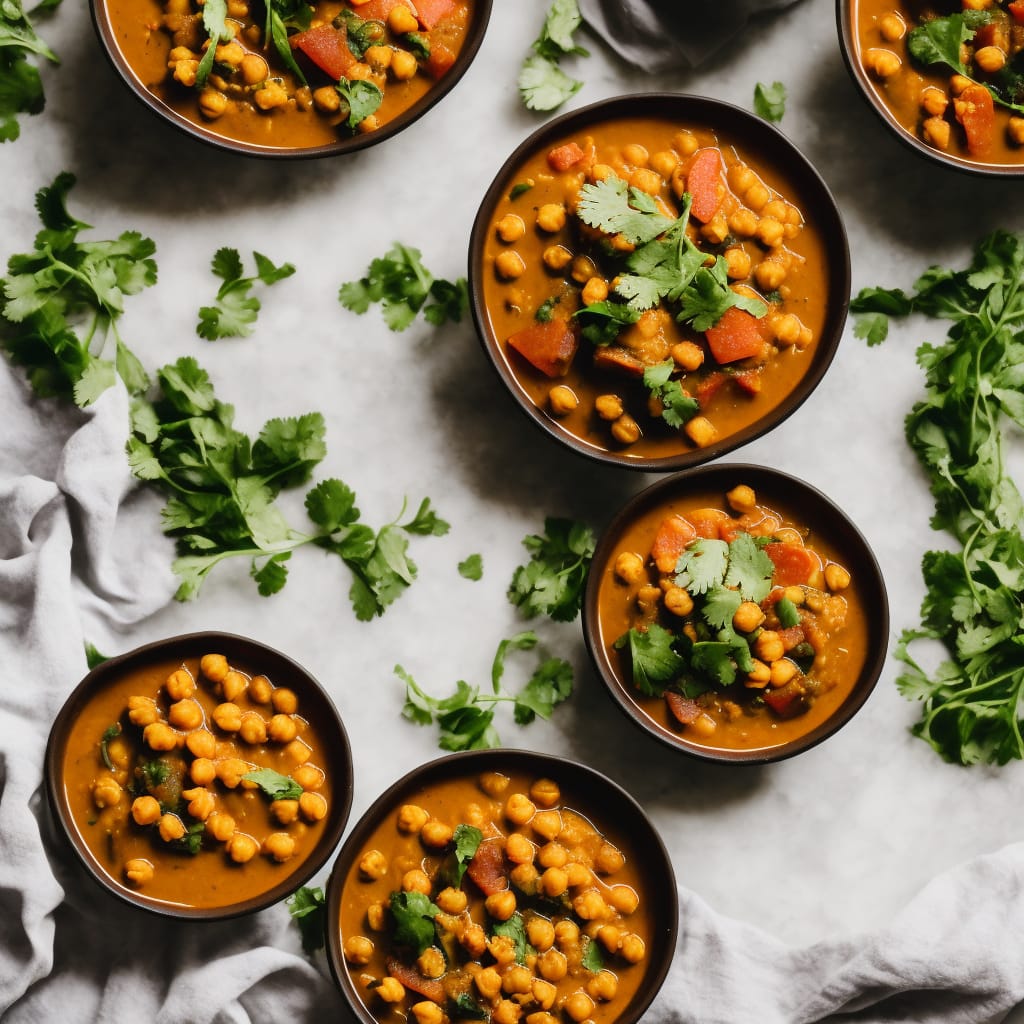
Turning vegan may look challenging for some, especially for those who can't turn their eyes away from meat. But they just haven't found these sumptuous vegan recipes that even non-vegans will surely enjoy!
Read More